
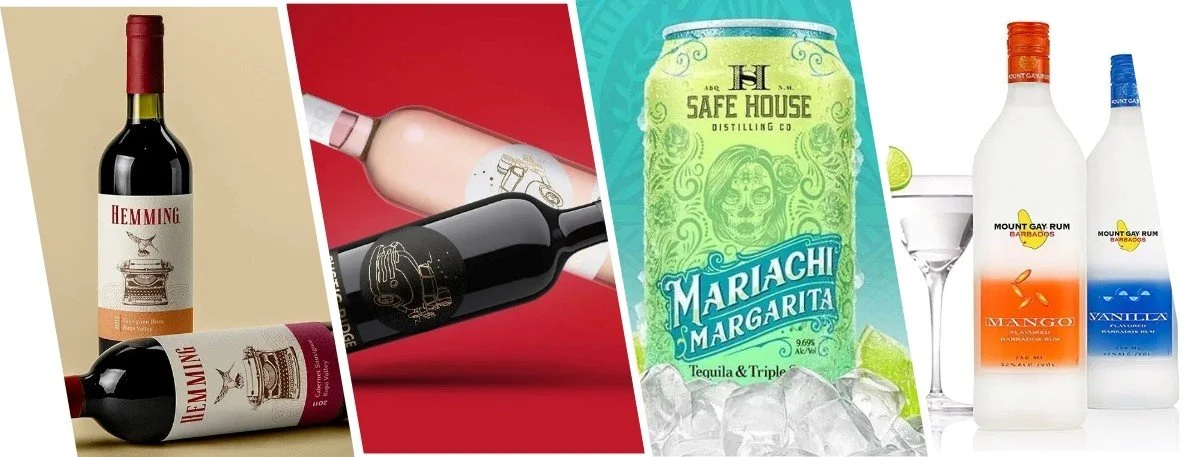
Wines are one of the most versatile when it comes to alcohol. Be it a professional social setting or an intimate private dinner, one thing that you'll always consider a must is a great bottle of wine. But it's just the wine's taste that makes it one of the favorites; the aesthetic appeal of wine bottles also plays a role. Given the impact shelf appeal has on customer preferences, wine label design is a crucial aspect during launch.
In this blog, we will discuss why wine label designs matter, the current trends in label designing and tips to follow when designing a label for your wine.
Why Does Wine Label Design Matters?
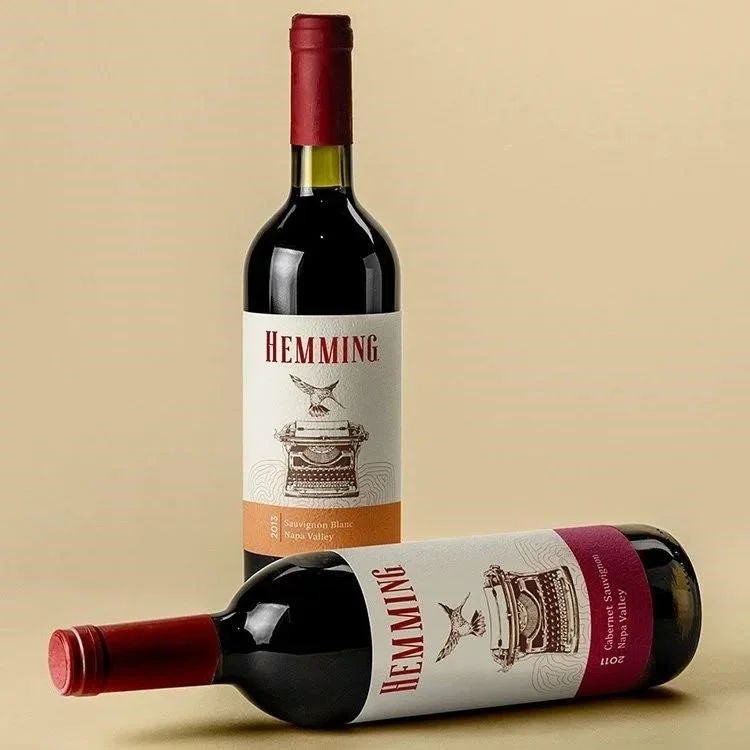
Just as with any other product, first impressions are critical when it comes to wine. Having a unique label can help your bottles stand out on shelves. Most buyers plan to keep the bottle as a keepsake or for its shelf appeal. A classy, unique wine label can be the difference between a buyer choosing your product over a competitor's.
Beverage label designs can also engage customers. You can design your label to tell your brand's story. Another key aspect of label designs is to give the necessary information to the customers. A label design can display information such as alcohol content, wine notes, and the wine's age.
Key Trends in Wine Label Design to Keep In Mind For 2025-26
Since wine labels are a significant factor in customer decisions, it is essential to understand the key trends in wine label design. Over time, customers' tastes and preferences change not only for the product inside the bottle, but also for how it looks on the outside. Here are a few key current trends to keep in mind for your wine label.
Keep It Authentic: When buying wine, especially in expensive bottles, ensure all information on the label is authentic. Adding illustrations of vineyards or maps can add a 'humanized' element to a label design, boosting your sales.
Information Transparency: Today's customer is very cautious about what they consume. Therefore, it is necessary to retain all information on factors such as caloric and alcohol content, as well as ingredients. In fact, a Forbes study found that more than 38% of customers wanted a clear, detailed list of ingredients in wines.
Staying Minimalistic: Recent trends show customers increasingly preferring sleek, subtle and minimalist designs. This is primarily because minimalism is often associated with premium products, which attracts more customers.
Interactive Designs: Help increase customer engagement. Adding things like QR codes or barcode scanners that redirect to a webpage showing the company's history or your vineyards can be a good idea. You can also redirect them to the entire production product to showcase transparency.
Green Packaging: Going green with your packaging is a must right now. Recent trends show that people are preferring products with responsible, eco-friendly packaging. Implementing these packaging practices and including this information on your wine label design will show customers that you are committed to responsible business practices.
Common Challenges Faced in Wine Label Design
In as competitive a market as the wine market is, there are plenty of challenges when it comes to designing a label for your wine. While these challenges are part of the deal, knowing them in advance might help navigate them. Here are some common challenges encountered in the process;
Brand Identity: Any beverage label design needs to communicate the brand's core identity. However, doing so can be a challenge for both heritage and new brands. Heritage brands may struggle to find a logo that communicates their identity, while a new company may struggle to look commanding compared to more established brands.
Durability: While using eco-friendly materials can add to the company's reputation, it also comes with its own challenges. Using a label made from these materials may not ensure it withstands the problems encountered during shipping.
Brand Cohesion: Maintaining label consistency is essential to building brand trust. If your label is too inconsistent from product to product, then customers might get suspicious. Therefore, it is a significant challenge to create a label versatile enough to use across a range of products.
Budget: Every brand wants to use premium packaging material and labels for its products. But that is not always possible due to budgets. When it comes to wine, finding the perfect balance between a classy label and affordability can be a challenge.
Tips in Wine Label Design to Follow in 2025-26
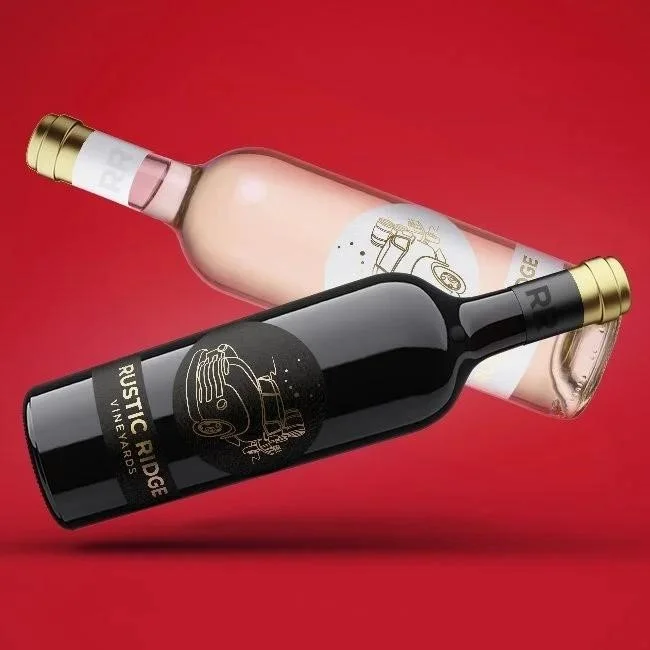
Hiring a Professional: The key to a classy, appealing wine label is to hire a reliable product label designer. This will ensure that a professional handles all the finer aspects of design and brings your vision to life.
Comparison Studies: Once you have settled on a product label designer, the next step is to collaborate with them to conduct competitive analysis. In this, they should conduct comparative studies such as A/B tests and more.
Developing Prototypes: Once you have carefully analysed the competition, it's time to build your test labels and assess whether they are appealing enough to beat the competition. In this step, proper mockups and 3D renders will be created before the final printing.
Corrections: If there are any corrections to your wine label design, work closely with the designer to ensure everything is exactly as planned during the design process.
Sample Runs: One of the final steps before the full-scale launch of your new label is to have a small-scale test release. Use this process to gain as much feedback as possible. Once you are satisfied with the customer response, it's time for the full-scale release.
Final Words
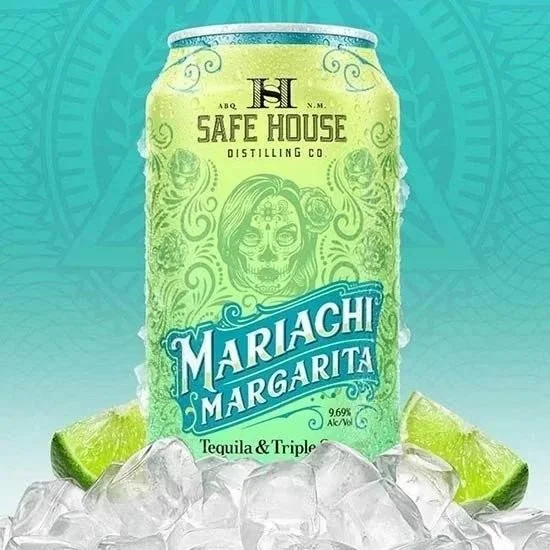
In the case of wine, creating a bottle with tonnes of shelf appeal is as important as properly ageing the wine. And when it comes to packaging, wine label design plays a vital role. Therefore, to stay ahead of the competition, a great label is essential.
If you are looking for a wine label designer with more than two decades of experience, check out Lien Design.
FAQs
Q. Why is wine label design important?
A wine bottle with an aesthetically pleasing label has strong shelf appeal. Therefore, a wine label design is essential for better sales.
Q. What elements should a wine label include?
A wine label should include the brand name, brand variety, alcohol content, and all certifications.
Q. What designs usually work in wine labels?
Usually, wine labels with subtle, minimalistic and vintage tones work well.
Q. Can wine labels include custom illustrations?
Yes, adding custom labels can also enhance the customer's experience, as they can interact with custom illustrations or get more information about the brand's story.
Q. Can sustainability impact the label design?
Yes, according to recent trends, customers prefer sustainable, eco-friendly packaging designs.