
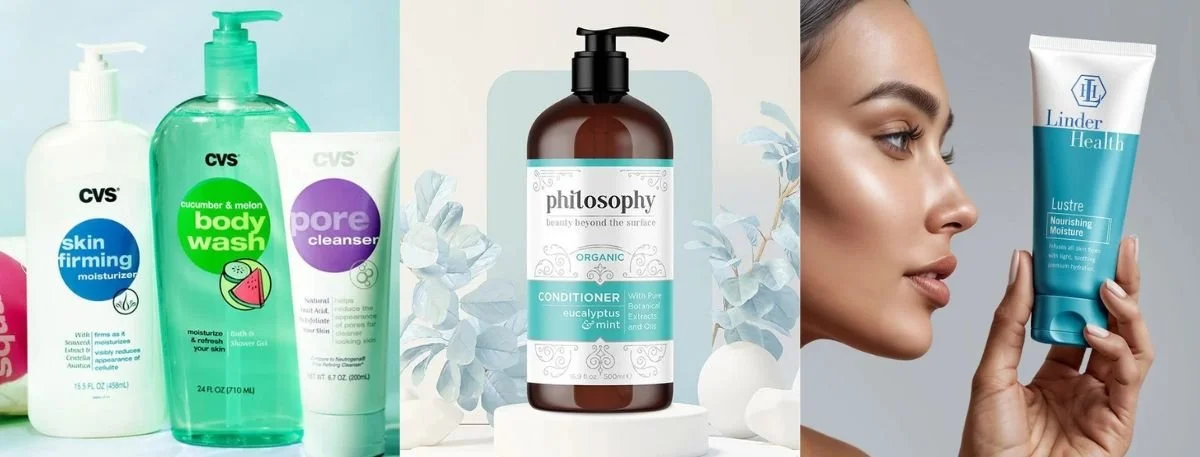
Like every other product in the market, labels and packaging are very important when it comes to cosmetics as well. Since these labels have the ability to have a conversation with the customer, they can be the first layer to communicate trust, quality and compliance at first sight. Whether you're launching a new product or renewing the packaging of a current one, creating an effective cosmetic label design is essential to ensure the product's success.
Considering how vital a label design is, creating one that satisfies all the necessary elements of an effective cosmetic packaging design can be a challenge. Sure, you can just hire a designer to do all that, but if you want to ensure that your vision for both the product and the packaging is met, knowing the basics of a label design is essential. In this blog, we will discuss the step-by-step process that you and a cosmetic package design company will follow, the common mistakes to avoid and the key design principles you should follow.
Key Design Principles Every Cosmetic Label Should Follow
Maintaining Consistency: One of the key aspects of a cosmetic label design is to maintain consistency. Ensure that the finalized label remains consistent in visual and style across the different products of a brand to boost recognition.
Maintaining Legibility: During the creation period, there might be some temptations to use fancy and bold fonts. And while you can certainly use them, it is essential to make sure that these fonts do not hinder the readability of the essential information.
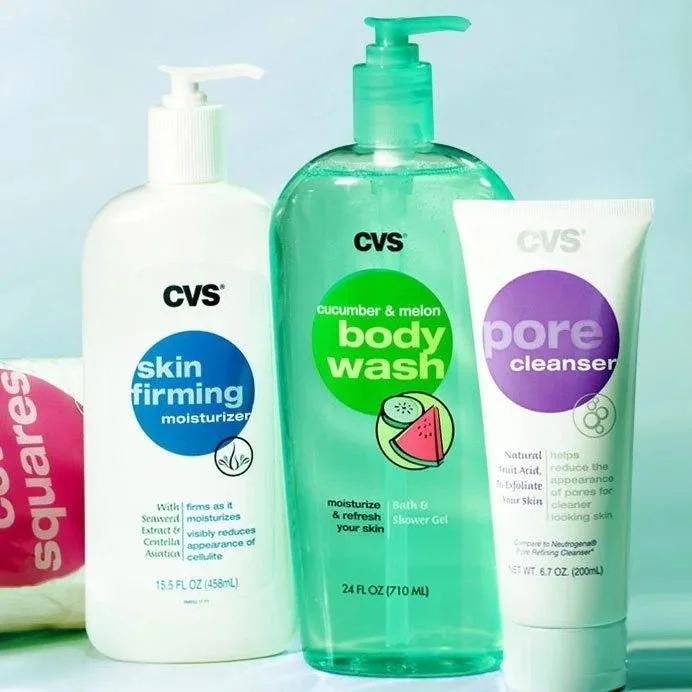
Shelf Differentiation: Standing apart from the competition is an essential aspect of making sure that your product sales remain high. Creating a label design that sets your product apart is a big step in ensuring that. Doing so will ensure that your product is easily recognized from the competition while it is on the shelves.
Step-By-Step Guide to Creating an Effective Cosmetic Label
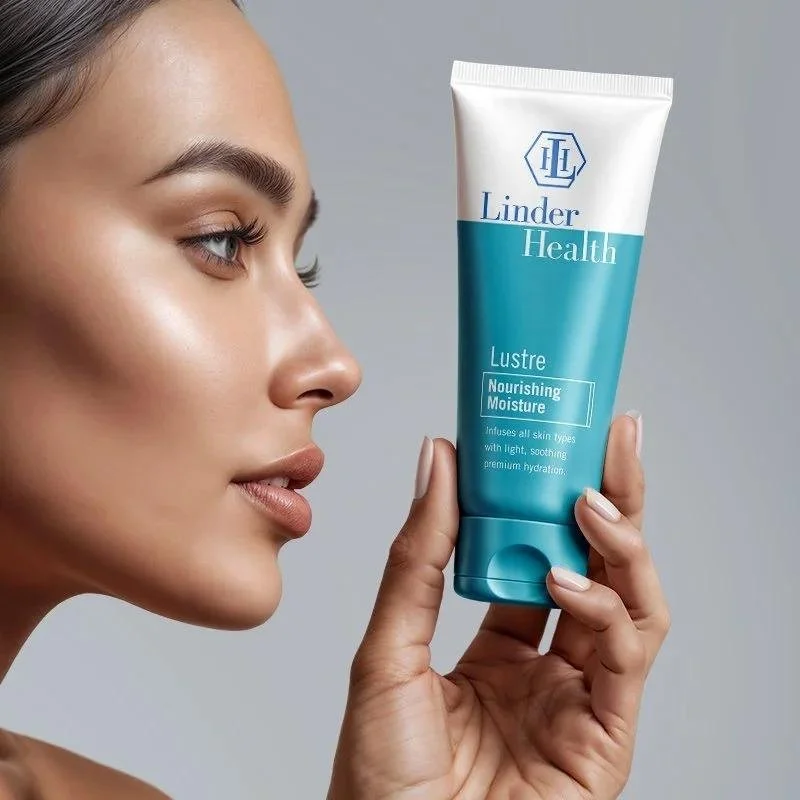
1. Brand Identity & Target Base: The first step of creating a cosmetic label actually begins long before the design. In this part of the process, the identity of the brand and the target customer base are identified. Defining these aspects is not just crucial for the label design, but also plays a big role in dictating the entire promotional strategy of the product. If you want to market your product as a luxury item, then choose a luxury cosmetic packaging design, and if you're going to market it as a daily care product, then select the appropriate design.
2. Gathering Information & Analyzing the Market: Once you have finalized the brand's identity and the target customer base, the next step is to gather all the information about the product to give to the cosmetic packaging design companies. This would include everything from the name of the product, ingredients, usage instructions, safety disclaimers and of course, the essential identity elements such as the logo (if you have one) and the colors associated with your brand. Another key thing to keep in mind is to get all the necessary information about the local label requirements in the intended market.
3. Choosing The Visuals: This step is actually the one where what some would consider the exciting part of the designing would begin. In this stage, all the visuals of the label design will be decided. Carefully create a cohesive visual combination using the brand colors, fonts, and materials, and check how they'll look in real-world conditions. If you want to go for an eco-friendly packaging, then make a decision regarding it at this stage of the process as well.
4. Prototypes and Testing: Once all the visuals are finalized, it is time to create prototypes and test them in real-world scenarios. Since the durability of the packaging is as important as the visuals, this step is crucial in ensuring that. Expose the prototypes in the real-world conditions like moisture, heat and friction to know how the package is handling them. It is also crucial to test them against the competition on the shelves. Check how it looks compared to them and if there are any flaws in the process, correct them at this stage.
5. Preparing for Production: Once the testing has been completed, it is time to correct the changes and the finishing touches are added to the package. One key decision that you need to make during this stage is to finalize the finish you wish to go with. You can go with a matte, glossy, or even an embossed finish based on your product and the target customer base. Once all this is finalized, you can go ahead with the final production and subsequent launch.
6. Analyse the Performance: The final launch of the product does not mean that the job is finished. To maximize the impact of your cosmetic label design, it is essential to analyze the performance of the product after the launch. Through this, you can get a clear picture of whether the design is working as planned or if a redesign is required.
Some Common Mistakes to Avoid During the Creation
Always ensure that the label is not overcrowded. An overcrowded label can make finding the necessary information hard.
Choose the right font; an overly fancy or tiny font can hinder readability.
Make sure that the material and the print quality are good, as poor quality can turn customers off from your product.
Ensure that the label is fully compliant with all the rules and regulations.
Final Words
How a product looks from the outside is almost as important as how it is on the inside. And since the label design is such a crucial aspect of the design, knowing the basics of how the entire design process goes can ensure that your cosmetic label design has the desired impact on the customers.
If you are looking to hire a designer to conceptualize your vision for the packaging, check out Lien Design for all your design and packaging needs.