
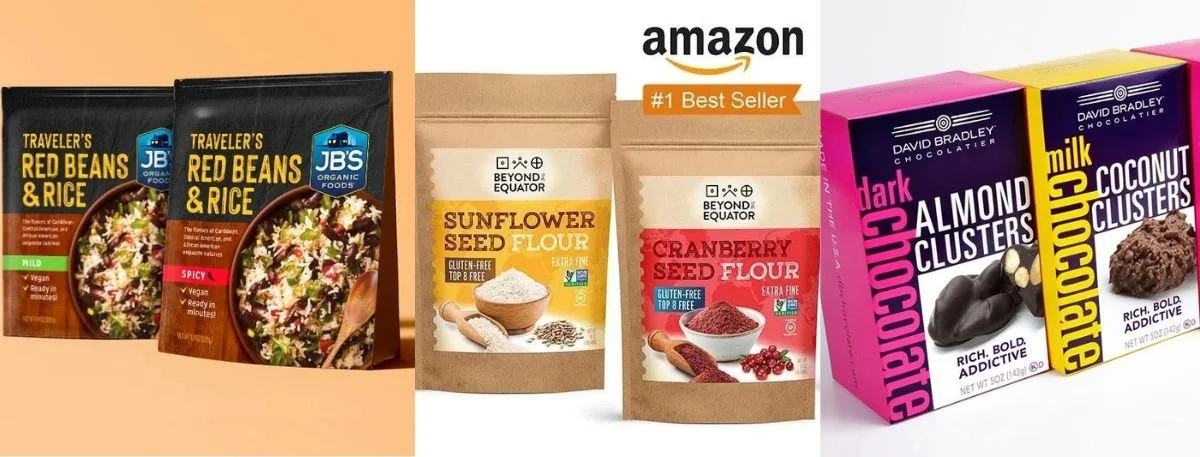
Shoppers do not wait to study every detail before making a choice. In most retail settings, the pack speaks first, shapes perception fast and often decides whether a product gets picked up at all. That is why food packaging design plays a larger role than many brands expect. Research has shown that 72% of consumers say packaging design can influence purchase decisions which makes packaging a revenue driver rather than a finishing touch.
A strong pack does more than look polished. It helps people identify the product quickly, understand its value and feel confident enough to try it. In categories where competition is intense, such as healthy food and snacks packaging design, the difference between being noticed and being ignored often comes down to clarity, credibility and visual recall.
Why Food Packaging Design Directly Affects Sales
Retail shelves are crowded and shoppers move quickly. Products usually get only a few seconds to create interest which means weak packaging can reduce attention before the product has a chance to prove itself.
Several factors explain why packaging affects conversion:
It creates immediate visual recognition
It communicates product type, flavor and value at a glance
It helps buyers compare options faster
It strengthens memory after the first purchase
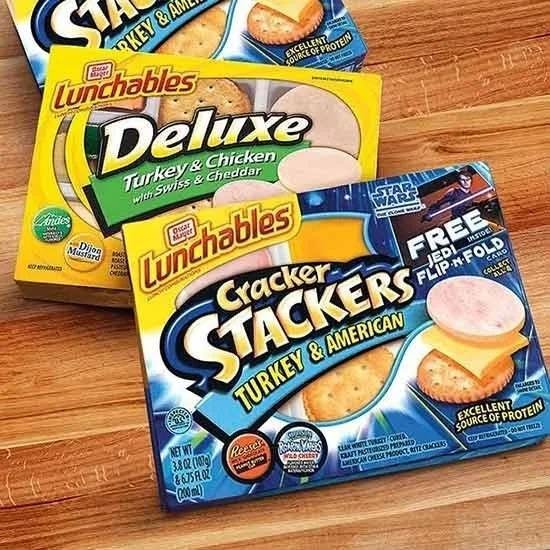
Did You Know - Many food packaging design companies focus heavily on surface aesthetics but appearance alone rarely carries a product far.
A strong design needs structure, hierarchy and clear brand cues. That balance matters even more in snacks packaging design, where impulse buying is common and split-second decisions shape sales.
Food Packaging Design Principles That Make Products Stand Out
Brand Identity Must Be Visible
Packaging should reveal the brand personality without making shoppers work for it. A premium product may rely on refined typography, controlled color use and a cleaner layout, while a lively brand may lean into energetic graphics and a more expressive tone.
Consistency across variants matters just as much. A product line that looks disconnected weakens recognition and slows recall, while a unified identity makes the brand easier to spot on shelf and easier to remember later.
Audience Fit Shapes Stronger Decisions
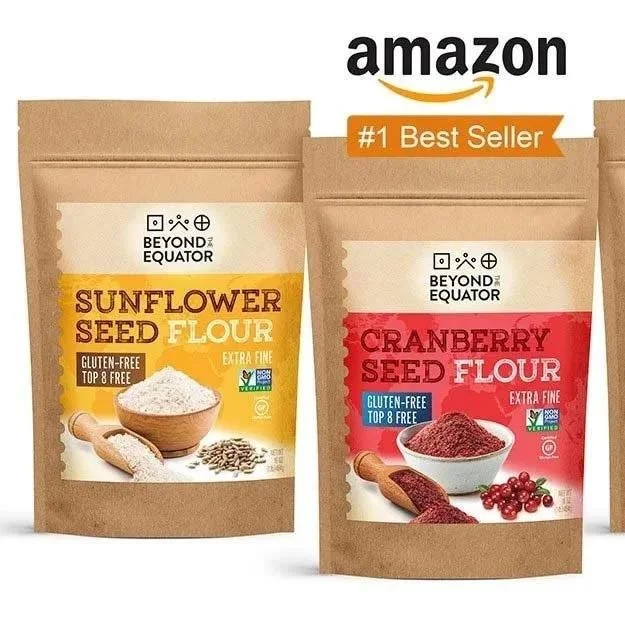
A child-focused snack, a gourmet pantry item and a nutrition-led breakfast product cannot speak in the same visual language. Buyers bring different expectations, concerns and motivations into each category. Packaging becomes more effective once those expectations are reflected in the design itself.
Healthy food packaging design often performs better when shoppers can read benefits quickly and trust what they see. Clear ingredient storytelling, visible nutritional cues and restrained claims can reduce hesitation without making the front panel feel crowded.
Simplicity Sharpens Communication
Clear design does not mean plain design. It means the most important information appears first and the rest supports it. Product name, key benefit, flavor cue and brand marker should be easy to locate within seconds. Space, contrast and message order can influence performance more than decorative overload.
The Overlooked Advantage - Transparency, Compliance and Trust
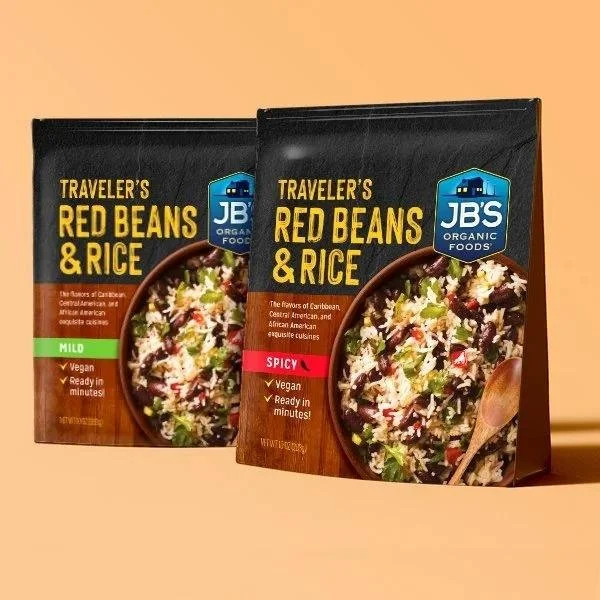
One important aspect in many packaging discussions is the role of transparency. Attractive visuals can start the conversation, but trust is what keeps a product viable in retail and ecommerce.
Food labels in regulated markets generally need core information such as product identity, Nutrition Facts, ingredients, allergen details, net quantity and manufacturer or distributor information. Missing or poorly placed details can create confusion, weaken credibility and complicate retail readiness. That makes FDA compliant food packaging design a practical business asset, not merely a legal checkbox.
Smart packaging has also gained relevance. Current packaging trend coverage points to rising interest in sustainability, digital interactions and smarter material choices, while QR-enabled packaging can help brands share sourcing, certifications or product background in a compact format.
Sustainable food packaging design and custom food packaging design for small businesses are becoming more relevant because buyers increasingly expect both convenience and transparency in the same pack.
Read More: How food packaging labels build customer loyalty
Building Better Packaging from Concept to Shelf
A strong packaging system usually comes together in stages rather than in one creative burst. The most effective route starts with market research, audience mapping and competitor analysis, because those inputs shape design choices with more precision than assumptions ever can.
The next phase turns strategy into concept. Layout, color, typography, claims and information hierarchy all need to align with the intended brand position. Prototyping should follow before production, since physical testing can reveal issues related to readability, shelf impact and pack structure that are easy to miss on screen.
Conclusion
Strong food packaging design does not rely on decoration alone - it wins attention quickly, communicates value clearly and builds trust that lasts beyond the first purchase. Brands that combine shelf appeal, transparency and smart structure are better placed to compete in crowded categories, especially where snack packaging and healthy food packaging design influence fast buying decisions.
Among established food packaging design companies, Lien Design presents itself as a California packaging and label design agency with more than 23 years of experience in strategic branding for food, beverage and CPG products.
Brands looking for packaging design that works harder on shelf and reads more confidently in the market should take a closer look — partner with Lien Design and turn your packaging into a sharper sales asset today.
FAQs
1) What makes food packaging design effective?
Effective food packaging design combines clarity, strong branding and quick product communication. Shoppers should understand what the product is and why it matters within seconds.
2) Why is healthy food packaging design important?
Healthy food packaging design helps buyers scan ingredients, benefits and nutrition cues quickly. Clear presentation can build trust faster in health-focused categories.
3) What works best in snacks packaging design?
Snacks packaging design often performs best with bold appetite appeal, clean hierarchy and convenient formats. Resealable pouch styles can also support freshness and repeated use.
4) Why do brands hire food packaging design companies?
Food packaging design companies bring together strategy, visual identity and retail thinking. Strong agency work can improve shelf presence, consistency and product positioning.
5) What should appear on a food package label?
Food packages generally need product identity, Nutrition Facts, ingredient details, allergen information, net quantity and business identification. Clear placement matters almost as much as the information itself.
Key Takeaways
Food packaging design can directly influence how quickly shoppers notice, understand, and trust a product.
Strong packaging should communicate the product type, flavour, key benefit, and brand identity within seconds.
Clear visual hierarchy matters more than decorative overload, especially in crowded food and snack categories.
Healthy food packaging design works best when it presents ingredients, nutrition cues, and benefits in a simple and trustworthy way.
Compliance, transparency, and accurate label information help build buyer confidence and support retail readiness.
Smart design choices such as sustainable materials, QR codes, and consistent branding can make packaging more useful and memorable.