
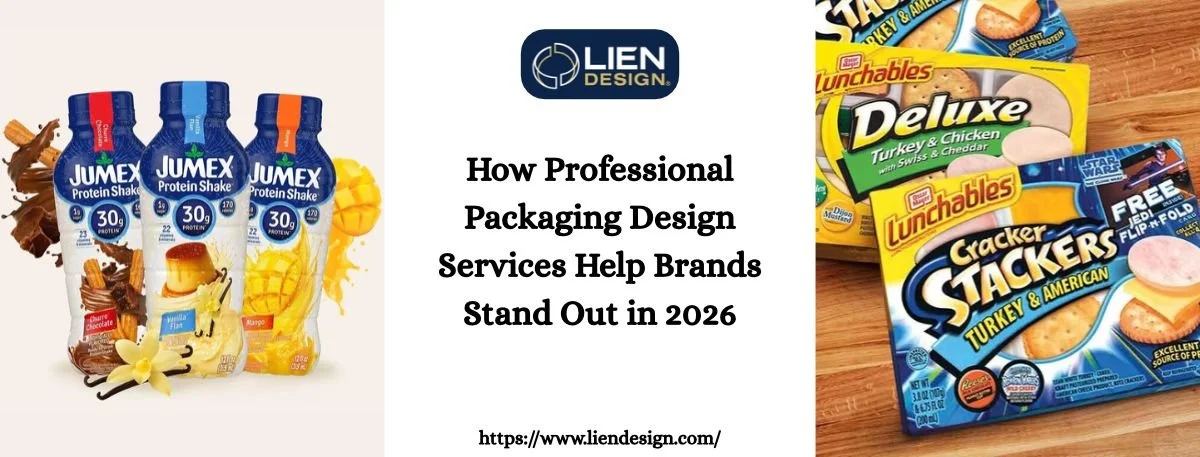
The retail landscape is shifting rapidly, and standing out on the shelf has never been more challenging. Consumers make purchasing decisions in mere seconds. This means a product must instantly communicate its value, story, and quality. Investing in expert packaging design services is no longer just an aesthetic choice. It is a critical business strategy. Brands need solutions that merge physical shelf appeal with digital-ready formats seamlessly.
The marriage of sustainability, consumer psychology and smart tech is setting the new industry benchmark. A product has to look absolutely stunning in the shop and then render perfectly on a smartphone screen. That's a huge requirement and one which demands a real understanding of the market and of the underlying structure. In this blog, we'll be looking at the current design trends, the right retail strategies, a full step-by-step checklist and how specialist design can take your brand to the next level.
The Evolution of packaging design services in 2026
The industry has completely changed- so old design templates just don't work in today's hyper-competitive retail landscape. In 2026, professional agencies are using a very sophisticated blend of technology and human skill to deliver real results and take on the most competitive markets.
This hybrid approach gets you rapid ideation and still allows for genuine brand storytelling. Technology on its own, though, isn't going to get you market leadership.
Speed to market is massively accelerated through rapid digital prototyping, enabling brands to visualize a physical product in days rather than months.
Human and AI packaging design collaboration ensures strict regulatory compliance without sacrificing raw creativity, resulting in highly optimized layouts.
Plus, the materials you choose have a massive impact on buyer trust. The more premium the texture the more trust you're going to build with the buyer prior to them even opening the package.
Predictive visual testing removes the guesswork entirely. Heat mapping tools simulate how a human eye would track across a page in order to determine the optimal placement of your logo and any mandatory legal copy.
Why Strategic CPG Packaging Design Matters
The consumer-packaged goods space is absolutely saturated. Walk down any supermarket aisle, and you'll quickly appreciate just how much visual noise there is. That's precisely where strategic expertise comes in. A beautiful box in itself won't generate any revenue without the right structure and the right message.
Shelf impact design strategies for 2026 dictate that typography must be instantly readable. The brand name must definitively anchor the visual hierarchy.
Deploy maximum visual contrast to grab attention immediately. A bold, unexpected palette of colors is the most effective way of breaking the visual monotony that is so prevalent in retail.
Focus on a single hero element rather than trying to cram the front panel full of content. What the consumer wants is a clear and unambiguous message about the benefits of the product.
Use of tactile elements (e.g. soft-touch coatings) engages the senses. Touch has a massive impact on purchase intent and creates instant brand affinity.
Here's why premium restraint is replacing the use of loud visuals. A single bold color and a clean typeface will often speak far more to the quality of the piece than a cluttered layout.
It's all about striking the right balance between the visual appeal and the mandatory nutritional information. The expert designer will incorporate the FDA requirements without in any way compromising the look.
Did you know? Nearly 70% of shoppers make their final decision on the product at the shelf itself. The external visual presentation is just as important as the product inside.
Maximizing Shelf Impact for beverage packaging
Drinks provide far less canvas on which to tell a compelling brand story. You've got the inherent spatial challenge of a cylindrical aluminum can or a curved glass bottle. That's compounded massively by the rise of functional drinks which demand extremely precise, instant communication.
Consumers want to know exact health benefits the moment they pick up the bottle. This is exactly why specialized graphic design is absolutely critical.
An expert will know how to use negative space and unusual finishes to get the most out of the very limited surface area of a can or bottle.
High contrast color blocking allows you to instantly pick out specific flavors. It's a way of helping the consumer to navigate a very wide range of products without them feeling daunted.
Matte finishes and localized gloss varnishes go a long way to enhance the perceived retail value. They're a clear signal to the customer that this is a premium product.
Slim can structures offer portability and are perfectly suited to modern life. The physical form is just as important as the printed graphics.
Clean typography will tell you the calorie count. Health-conscious shoppers will simply not go hunting for the key nutritional information on a cluttered label.
And visibility is only half the battle. The physical materials have to be able to cope with condensation, temperature cycling and all the rough handling that will occur during high-speed distribution without scuffing.
Perfecting the healthy snack pouch design
Stand-up flexible pouches are completely dominating modern snack aisles. A well-executed healthy snack pouch design offers distinct structural differentiation and brand transparency, but it takes immense skill to balance vibrant visuals with mandatory compliance data.
The format must fit perfectly within the constraints of retailer shelving and stand upright without sagging at all.
A bag that's deflated or wrinkled is a dead giveaway as far as stale/low quality is concerned. It kills the whole first impression of the brand.
This spatial mastery is a core component of comprehensive retail packaging design. Brands simply cannot afford physical structures that fail on the shelf.
Plus, hiring highly experienced packaging design services pays incredible dividends because they understand the exact material tolerances needed for rigorous e-commerce shipping networks.
Flexible materials also need specialist printing techniques. The prepress experts will have to calibrate their color profiles very precisely to get the vibrant, accurate brand colors across all the different substrates.
The thing is- versatility is everything. It has to be able to scale effortlessly across all the SKUs and all the different serving sizes and still maintain absolute brand consistency.
Unboxing is also key. Tearaway tabs, resealable zips and internal printed messages all go a long way to building deep brand loyalty and securing repeat purchase.
Step-by-Step Checklist for Retail Success
A very smart rollout will prevent you from making any expensive manufacturing mistakes. Here's a definitive step-by-step checklist for getting your structural and visual concept to market in the right way without spending any time or money.
Analyze the Competitive Landscape - Identify the dominant colors, structures, and messaging formats in your specific product category. Look for visual gaps to exploit.
Define the Visual Hierarchy - Ensure the brand name and the primary product benefit read clearly within three seconds of visual contact.
Test for Omnichannel Readiness - Shrink the proposed concept to a digital thumbnail. Omnichannel product design solutions demand absolute clarity on mobile screens.
Verify Strict Legal Compliance - Cross-check barcode placement, allergen warnings, ingredient lists, and nutritional panels against current FDA regulations.
Develop Realistic 3D Mockups - Visualize the product from multiple angles and under various lighting conditions before committing to a costly physical print run.
Finalize Print-Ready Files - Work directly with specialized prepress experts. Ensure digital color profiles match the manufacturer's printer specifications flawlessly for a perfect final product.
Embracing Data and Sustainable Materials
Data-driven decisions completely get rid of the guesswork when it comes to aesthetics. A/B testing gives you the metrics to actually drive real, tangible retail conversion. That's particularly the case in today's market where the shopper is actively looking for brands that are eco-friendly and transparent.
The thing is, modern shoppers reward responsibility. Sustainable retail packaging trends show that recyclable materials serve as powerful shelf signals for eco-conscious buyers.
Using post-consumer recycled paper or compostable plastics builds instant brand trust. In 2026, consumers expect brands to be genuinely taking environmental responsibility.
But these fragile materials need a particular kind of printing. The designer has to know how to print on such a porous recycled substrate to maintain the color.
Integrating data-driven consumer packaging elements (e.g. serialized QR codes) provides a completely different post-purchase engagement experience. The packaging becomes a fully interactive digital touchpoint.
QR codes enable dynamic brand storytelling and product authentication. They perfectly bridge the physical shelf and the digital shopping world.
By integrating advanced technologies seamlessly, professional packaging design services transform ordinary boxes and bottles into highly interactive, revenue-generating brand assets.
Key Takeaways
Bold typography ensures instant brand recognition whether you're in the physical store or on the e-commerce site.
Hybrid approaches that blend human creativity with the use of sophisticated AI tools massively speed up the ideation process.
Tactile materials and premium physical finishes speak volumes about the quality without the need for any additional descriptive text.
Smart tech in the form of serialized QR codes can seamlessly link the physical product to a rich digital consumer experience.
Expert structural engineering ensures the products will survive the rigors of shipping and still look perfect when they get to the shelf.
Final Words
In 2026, exceptional visuals are just the baseline. Long-term success requires a strategic blend of consumer psychology, structural innovation, and crystal-clear messaging. A product must capture attention, communicate undeniable value, and build lasting consumer trust in a matter of seconds. And achieving this level of market dominance requires true industry expertise. Partnering with professional packaging design services ensures your product not only looks incredible but is mathematically engineered to sell.
Ready to transform your brand identity and dominate the retail shelf? Reach out to the experts at Lien Design today and start building a visual experience that consumers simply cannot ignore.
FAQs About Packaging Design Services
What makes a packaging design successful?
It has to grab attention immediately, state clearly what the product does and the benefits it offers and be in line with the brand. Functionality and legal compliance are absolutely vital for long-term retail success.
How long does a packaging redesign take?
Graphic updates generally take 3-6 months. Full structural changes, on the other hand, can take 12-18 months as a result of the sheer amount of material testing, tooling and early concept validation required.
Why is typography important in packaging?
Large, bold type for instant brand recognition. Reads a heck of a lot quicker from a distance on the shelf and is still very legible when you go down to the mobile e-commerce thumbnail size.
What is the role of AI in packaging design?
AI speeds up the early ideation phase by quickly producing mood boards and concepts. The human experts then go in and hand-craft those drafts to ensure they're brand-appropriate, emotionally resonant and fully compliant with all the relevant regulations.
How does packaging affect consumer behavior?
Packaging is a silent salesperson. The colors, the textures and the shape of the package all trigger a psychological response, which in turn affects perceived value, brand trust and the split-second decision to buy at the point of sale on the shelf.