
The retail shelf is evolving at a breakneck pace. Getting ready for 2026 means looking way beyond pretty aesthetics and embracing some rather strict regulatory shifts. Incoming compliance deadlines are practically forcing brands to rethink their visual identities from scratch. Because tracking label design trends isn't just about picking the perfect color palette or typography anymore. It is about weaving mandatory health data into the artwork without losing that crucial brand appeal. And honestly, that is exactly where the biggest challenge lies.
The proposed rules will demand prominent front-of-package nutrition metrics, fundamentally altering how buyers interact with a product. Brands have to adapt, and fast. This guide breaks down the latest aesthetic shifts, analyzes the incoming regulatory hurdles, explores smart compliance tactics, and reveals how expert packaging strategies can actually turn new rules into a serious competitive advantage.
Navigating 2026 Label Design Trends
Modern buyers crave absolute transparency. And your packaging simply has to deliver it. 2026 is rapidly shaping up to be the year when strict functionality collides with elevated aesthetics. Brands are ditching cluttered, noisy layouts to carve out necessary room for mandatory nutritional disclosures. Here's exactly why minimalism is stealing the spotlight right now.
Maximized white space: Clean backgrounds let essential health data pop without overwhelming the eye or confusing the buyer.
Bold, readable typography: High-contrast fonts make sure nutritional warnings and claims are instantly legible from down the aisle.
Sustainable materials: Earth-friendly inks and raw substrates align perfectly with natural, clean-label aesthetics.
Interactive elements: QR codes seamlessly link a physical box to expanded, highly detailed digital ingredient profiles.
Plus, visual hierarchy has never been this critical. Balancing rigid government mandates with compelling brand storytelling takes a highly meticulous approach. The main goal? Keeping the consumer fully informed without sacrificing an ounce of shelf appeal. Achieving that delicate balance is the true mark of a premium product in today's market.
Did you know? The FDA's proposed front-of-package labels will clearly rank saturated fat, sodium, and added sugars as "Low," "Medium," or "High" to help hurried consumers make split-second dietary choices.
How FDA Changing Food Labels Impacts Shelf Appeal
Federal regulations are in the middle of a massive overhaul. And the timeline is incredibly tight. By 2025 and 2026, countless brands will have to slap specific front-of-package indicators right on their hero panels. The thing is, this is not just a quick text update. It is a fundamental disruption of packaging architecture.
Prominent placement: That Nutrition Info box has to sit front and center on the main display panel where everyone can see it.
Color coding constraints: Integrating required government formats can easily destroy an existing, carefully crafted brand palette if not handled correctly.
Reformulation pressure: Companies are already tweaking historical recipes just to avoid a dreaded "High" label in sugar or sodium.
Adapting to FOP nutrition labels means totally rethinking the visual real estate of every single SKU in a product line. Designers are tasked with building layouts that house these mandatory boxes without making the bag look like a boring medical supply box.
Shifting the Focus to Transparency
Shoppers want to know exactly what is going into their bodies. And the government is stepping in to back them up. The old days of burying unfavorable nutritional facts in tiny print on the back panel are officially over.
Immediate clarity: Crucial health data now greets the buyer before they even pick up the item.
Trust building: Brands that smoothly integrate these stark labels project an image of absolute honesty and integrity.
Competitive differentiation: Scoring a "Low" sugar indicator could quickly become your most powerful marketing tool against competitors.
When the FDA changing food labels becomes a strict reality, smart companies do not panic. They pivot. Upgrading design infrastructure early on ensures that future regulatory shocks cause zero disruption to the actual supply chain.
The Evolution of Healthy Food Packaging Design
The actual legal definition of the word "healthy" is changing. The new criteria heavily emphasize foundational food groups while aggressively capping harmful additives. This regulatory shift directly dictates aesthetic choices across the entire grocery space.
Ingredient-led visuals: Gorgeous illustrations of whole grains and fresh produce are quickly replacing abstract, meaningless shapes.
Earthy palettes: Soft sage greens, warm terracottas, and raw tones subtly broadcast wellness without shouting.
Certifications front and center: Badges for organic, non-GMO, and FDA-approved claims demand absolute prime positioning.
Creating an effective layout in this space requires serious finesse. A product that actually meets the updated dietary guidelines deserves artwork that screams purity. Integrating these fresh metrics into the broader visual identity is non-negotiable for standing out in jam-packed grocery aisles. And leaning into strict FDA packaging regulations early establishes serious market authority.
Visualizing Nutritional Value
Modern buyers spend mere seconds glancing at a product. The packaging absolutely must convey health benefits instantly.
Iconography: Sharp, simple icons communicate complex health perks infinitely faster than dense paragraphs of text.
Matte finishes: Non-glossy, tactile textures almost always evoke a more natural, highly unprocessed feel.
Transparent windows: Letting the consumer actually see the physical food inside builds immediate, undeniable trust.
But just looking wholesome doesn't cut it anymore. The artwork has to strictly align with the legal definition of healthy. A brilliant healthy food packaging design bridges the gap between cold federal compliance and warm consumer desire.
Upgrading Snack Packaging for the Future
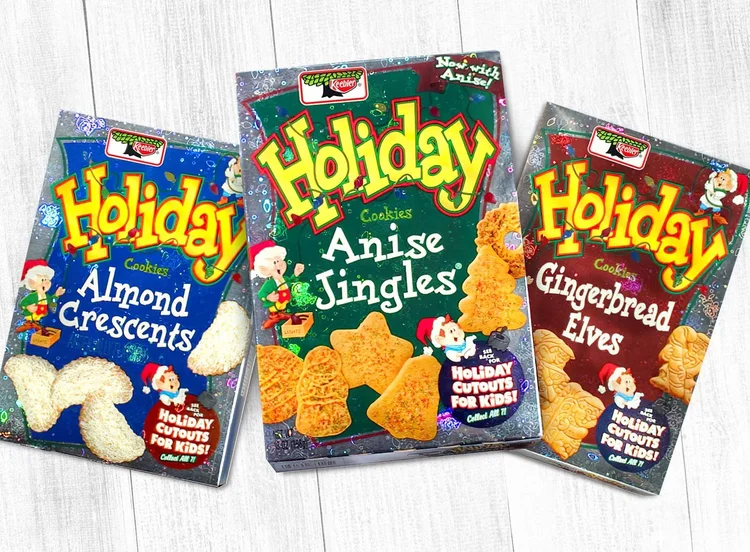
The snack aisle is notoriously cutthroat. It is also sitting squarely under the microscope of the new nutritional guidelines. Snack brands frequently struggle with high sodium and hidden added sugars. Adapting to these upcoming constraints requires immense, out-of-the-box creativity in snacks packaging design.
Dynamic layouts: Shifting playful mascots and bold graphics aside to make room for new, unsexy info boxes.
Portion control messaging: Loudly highlighting smaller serving sizes to instantly improve the perceived nutritional profile.
Flavor cues: Leaning heavily into vibrant, mouth-watering colors to emphasize taste and distract from mandatory clinical data.
Consumers still desperately want indulgent, exciting snacks. They just want them without the heavy guilt trip. Therefore, the visual presentation has to stay punchy and wildly engaging. Utilizing modern branding solutions ensures that snack items keep their fun factor alive while displaying that mandatory health data prominently.
Balancing Fun and Facts
Snacks are the ultimate impulse buy. The packaging needs to pop. Yet, new rules demand a highly serious, informative element right on the front.
Clever typography integration: Styling the required text so it actually looks like an intentional piece of the design puzzle.
Color contrast: Ensuring mandatory information hits visibility standards without completely ruining the brand's unique vibe.
Secondary panels: Maximizing the sides and top of the package for all the fun brand storytelling and community building.
This highly delicate balance is driving some of the most innovative label design trends right now. Brands are quickly realizing that tight constraints often spark the greatest creative breakthroughs in the studio.
Step-by-Step Checklist for Regulatory Label Compliance
Preparation is absolutely everything. Waiting until the final deadline practically guarantees rushed artwork, printing disasters, and costly mistakes. Here is a highly systematic guide to ensuring packaging readiness before the rush hits.
Conduct a comprehensive audit: Meticulously review all existing SKUs to spot exactly which products require the new front-of-package boxes.
Evaluate nutritional profiles: Aggressively assess whether current formulas can be tweaked right now to dodge unfavorable "High" ratings.
Analyze current brand assets: Map out how much front-panel real estate is currently occupied and what can be safely minimized or moved to the back.
Draft initial wireframes: Build out mockups incorporating the newly required boxes to test spatial tension and color clashes.
Test for printability: Double-check that the added data points print crystal clear across different materials, from foil pouches to matte cardboard.
Partner with experts: Bring in seasoned professionals to seamlessly merge rigid compliance requirements with high-end, premium aesthetics.
Following this framework heavily mitigates risk. Plus, it allows brands to treat the mandatory redesign as an exciting brand refresh rather than a painful government penalty.
Why Brands Need Expert Food Packaging Design Companies
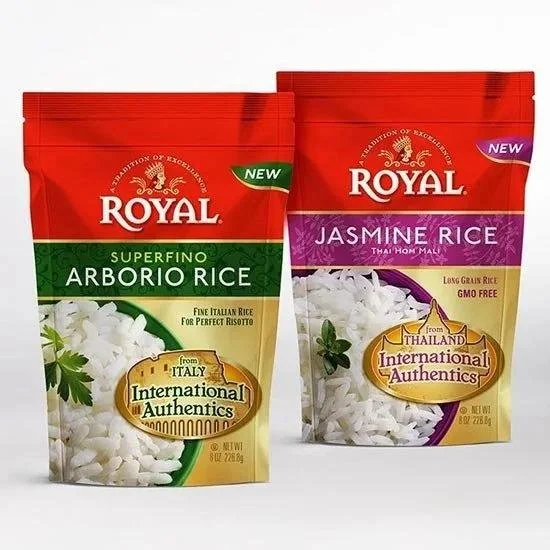
Navigating this intense regulatory maze entirely alone is risky business. The tricky intersection of strict legal compliance and compelling aesthetics demands highly specialized knowledge. That is exactly why partnering with expert food packaging design companies is no longer optional. It is a strategic necessity.
Regulatory fluency: Seasoned pros actually understand the exact sizing, placement, and contrast rules demanded by the law.
Creative problem solving: True experts know exactly how to maintain brand integrity even when legally forced to display large, clinical data boxes.
Print expertise: Experienced designers fully understand how different inks and raw substrates handle these new, complex layouts.
The thing is, an amateur, rushed redesign can easily make a premium product look incredibly cheap. Or even worse, totally non-compliant. A specialized agency will deploy advanced compliance packaging strategies to actively elevate the brand while hitting every single legal requirement perfectly. As the industry adapts to these current label design trends, having the right creative team in your corner makes all the difference.
Turning Mandates Into Marketing Assets
Brilliant design turns a massive obstacle into a distinct advantage. Instead of looking at new labels as a heavy burden, visionary agencies use them to build unshakable consumer trust.
Highlighting positives: Utilizing the required boxes to loudly and proudly showcase low sugar or low sodium levels.
Streamlining portfolios: Taking this forced opportunity to finally unify the look of an entire, previously disjointed product line.
Elevating the unboxing experience: Upgrading structural design elements to compensate for the newly restricted label constraints.
A powerful aesthetic presence consistently drives sales. By merging high art with precise legal compliance, products easily hold their competitive edge on the shelf.
Key Takeaways
Front-of-package Nutrition Info boxes will very soon be mandatory for the vast majority of packaged food items.
The FDA's newly updated definition of "healthy" heavily favors whole ingredients and strictly limits artificial additives.
Successful modern layouts require maximized white space to effortlessly house strict regulatory data.
Snack brands face the unique challenge of balancing vibrant graphics with highly visible, clinical health metrics.
Professional design assistance guarantees products stay legally compliant without sacrificing a drop of premium shelf appeal.
Final Words
Adapting to the future of retail means grabbing change by the horns. The upcoming federal guidelines are completely rewriting the old rules of visual engagement. From inescapable front-of-panel data requirements to much stricter definitions of health, the entire industry is shifting under our feet. Staying ahead of these crucial 2026 label design trends guarantees that your products will remain both legally compliant and incredibly stunning. Do not let shifting regulations water down your brand identity or eat into your market share.
Secure your rightful place on the shelf with packaging that truly captivates and converts. Contact Lien Design today to completely transform your packaging strategy and turn strict compliance into your greatest competitive advantage.
FAQs About Label Design Trends
What is the new FDA rule for food labels?
The FDA proposes mandatory front-of-package Nutrition Info boxes. These highlight saturated fat, sodium, and added sugars, cleanly rating them as low, medium, or high to help buyers.
When do the new FDA food label rules take effect?
While currently proposed, mandatory compliance dates are expected roughly three to four years after the final rule's official effective date, heavily depending on annual food sales.
How does the FDA define healthy food now?
The updated definition strictly requires products to contain meaningful amounts of foundational food groups while fiercely adhering to tight limits on sodium, saturated fat, and added sugars.
Why is front-of-package labeling important?
It delivers immediate, highly transparent health data. This actively empowers everyday shoppers to make informed, split-second dietary choices without squinting at complex back-panel information.
Do small businesses have more time to comply?
Yes. Under proposed guidelines, businesses boasting less than $10 million in annual food sales get four years to fully comply, compared to three years for larger corporations.