
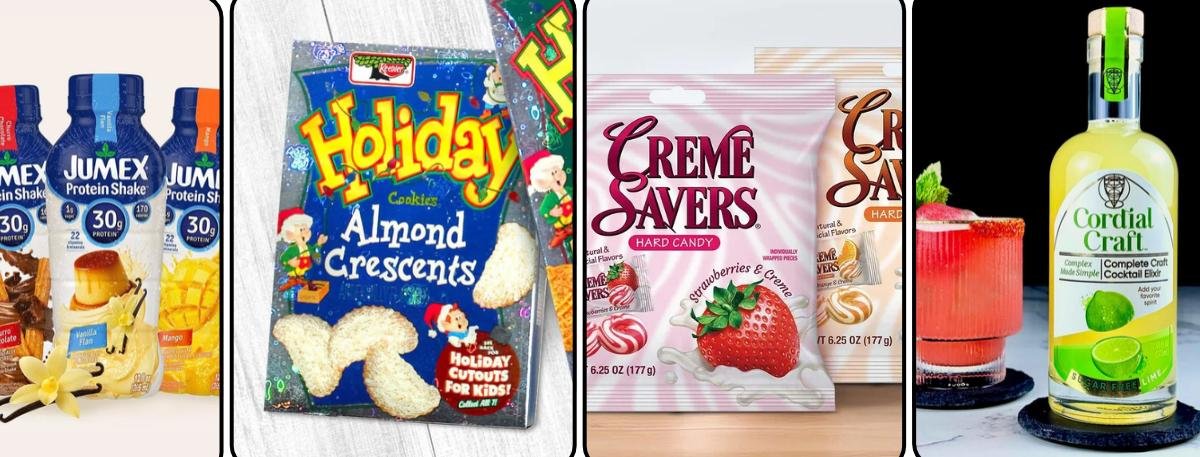
Walk down any supermarket aisle in 2026 and a stark shift becomes apparent. The loudest box on the shelf no longer wins automatically. Between algorithmic grocery carts and discerning shoppers, retail packaging must communicate authentic value in fractions of a second. Consumer psychology reveals that emerging packaging design trends have moved past hollow gimmicks. Brands are embracing radical clarity, tactile intimacy and ecological intelligence.
Emerging startups plotting a first rollout — or established CPG brands refreshing heritage lines — will find actionable blueprints here.
What Packaging Design Trends Are Shaping 2026?
Retail shelves are rapidly transforming into curated galleries. Generic vector art currently floods commercial channels, driving premium brands toward distinct human craftsmanship, unconventional materiality, and deliberate restraint.
Prevalent packaging design trends prove that contemporary consumers reward brands balancing instant visual clarity with tangible, authentic substance.
Radical Information Hierarchy - Eliminating visual clutter allows busy shoppers to spot dietary protocols and core benefits instantly.
Bio-Tactile Substrates - Sterile synthetic films are disappearing fast. Textured sugarcane pulp and debossed plant-based composites now invite physical touch.
Dynamic Nostalgia - Merging warm retro palettes with razor-sharp modern grids evokes warmth naturally without feeling dated.
Candy Packaging Design: Bold Ideas That Grab Attention
Confectionery aisles have cast aside apologetic pastels. High-energy whimsy takes center stage instead. Today, candy packaging design treats sweets as bite-sized moments of playful rebellion — leaning hard into dopamine-driven aesthetics.
Saturated Neon Chromatics - Electric lime and liquid magenta gradients pop off physical display racks, cutting through mobile feed noise effortlessly.
Irreverent Character Mascots - Quirky, hand-drawn anthropomorphic mascots inject relatable personality to cultivate cult appeal among younger demographics.
Contrasting Tactile Coatings - Soft-touch matte backgrounds pair perfectly with high-gloss spot UV varnishes. Consumers receive a tactile preview of the indulgence inside.
Adults and children alike are seeking joy in their purchases, allowing brands to experiment wildly. Modern confectionery packaging celebrates flavor-first fun with unapologetic confidence.
Healthy Food Packaging Design: Building Trust Through Transparency
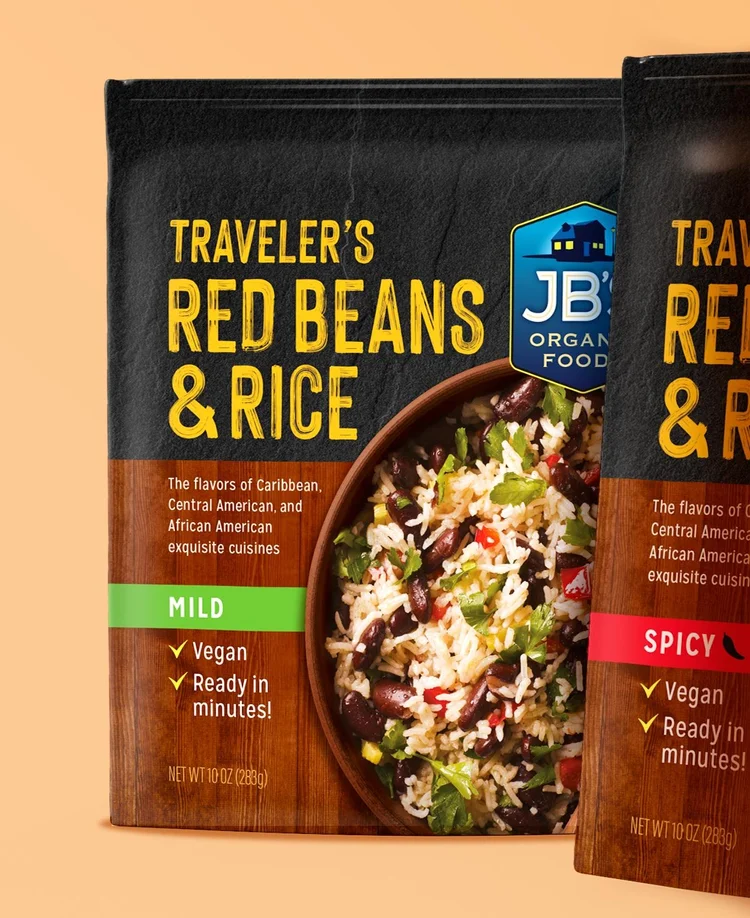
Modern wellness consumers are thoroughly fatigued by empty health claims. Shoppers inspect ingredient declarations and check macro splits long before placing items into their baskets. Effective healthy food packaging design removes decorative smoke and mirrors — replacing them with bare-knuckle transparency.
Superficial greenwashing tactics no longer work because shoppers demand authenticity above all else.
Clear Cellulose Windows - Compostable window cutouts let shoppers inspect the genuine texture and freshness of dried fruits.
Prominent Micro-Summaries - Big, unvarnished callouts cut straight to the facts rather than hiding behind buzzwords.
Warm Earth-Tone Palettes - Ochre and muted terracotta shades printed on unbleached materials communicate grounded purity.
Displaying ingredients openly builds consumer trust naturally.
Snacks Packaging Design: What Makes a Package Stand Out?
The impulse aisle stands as the most unforgiving sector in retail. Split-second visibility dictates market share here. Progressive food companies rely on aggressive geometric framing and unconventional editorial layouts to establish lasting shelf impact. The battleground for attention happens quickly.
Cutting-edge snack packaging design captures that fleeting psychological window through calculated visual tension.
Asymmetrical Grid Formats - Disrupting repetitive aisle patterns using diagonal splits and off-center focal points.
Flavor-Expressive Color Blocking - High-contrast color clashes trigger immediate salivary responses.
Vertical Edge Typography - Placing dynamic copy vertically along side gussets catches the eyes of moving shoppers.
Merging intuitive usability with eye-catching aesthetics guarantees that a consumer experiences a positive first impression repeatedly.
Did You Know: According to consumer psychology studies, buyers form a subconscious judgment about the flavor profile of a product within just 90 milliseconds of glancing at its wrapper?
Beverage Graphic Design: Visual Trends Transforming Drink Brands
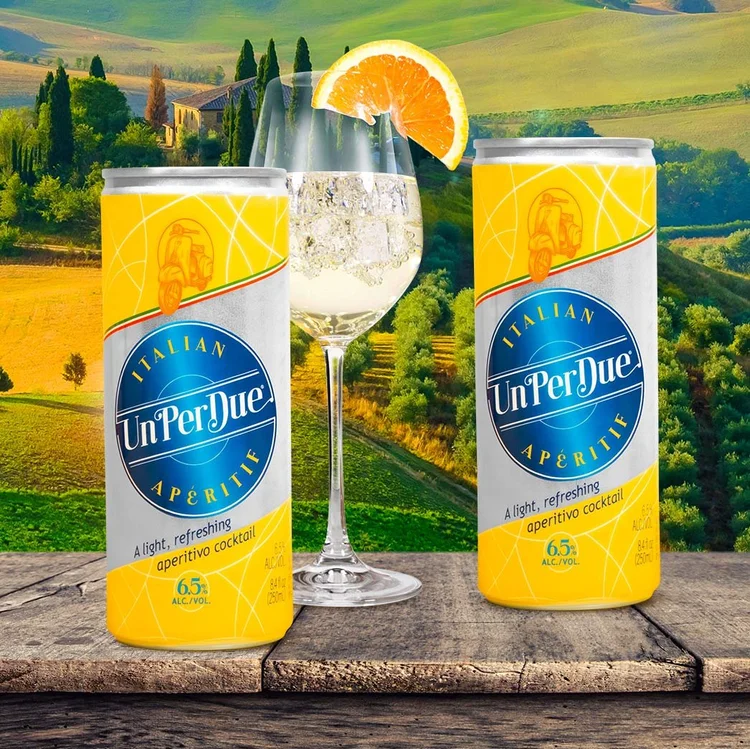
Functional seltzers and adaptogenic sodas have turned the beverage cooler into a high-stakes arena. Keeping pace with swift packaging design trends allows emerging ventures to challenge legacy market leaders effectively.
Leading beverage graphic design cuts through refrigerated glass doors with radiant visual clarity.
360-Degree Wraparound Type - Fluid, kinetic lettering bends across aluminum cans. Shoppers find their eyes pulled continuously around the curvature of the container.
Negative-Space Contrasts - Open matte-white zones frame vibrant spot illustrations beautifully — projecting airy, low-calorie refreshment.
Integrated Interactive Triggers - Subtle QR portals stamped into bottom rim seams invite consumers into digital flavor drops.
Curious hands reach out instinctively because aluminum can design delivers an energetic punch.
Alcohol Packaging Design: From Classic to Contemporary
Craft spirits rely on heavy, sculptural presentation to command attention from back bars. Contemporary alcohol packaging design balances historic craft with minimalist industrial detailing.
Custom Glass Sculptures - Thick-bottomed bottles and debossed neck bands offer a heavy, reassuring heft during a pour.
Pharmacopeia Typography - Apothecary-style batch stamps and technical distillery metrics are organized with clinical elegance.
Dramatic Monochromes - Frosted slate and obsidian glass pair beautifully with stark, clean sans-serif typefaces.
Spirits packaging succeeds fully only after the bottle feels substantial enough to claim a permanent display spot on a credenza.
Wine Label Design: Creating a Premium Brand Experience
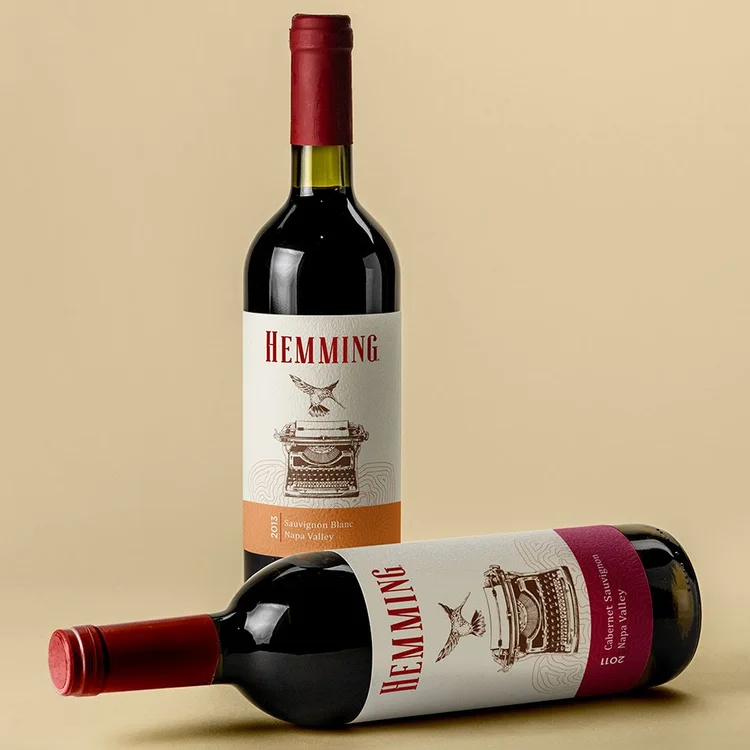
Younger demographics are reshaping wine culture rapidly. Centuries-old heraldic crests are yielding ground to independent artistic narratives. Progressive wine label design treats the 750ml glass bottle like a bespoke canvas — using tactile finishes to communicate vintage pedigree.
Unlocking a memorable evening begins the exact second someone picks up the bottle.
Uncoated Heavyweight Papers - Textured cotton and felt-marked paper stocks communicate artisanal authenticity the exact moment a hand lifts the bottle.
Commissioned Fine-Art Graphics - Modern abstract watercolor washes and surreal botanical sketches invite personal interpretation.
Minimalist Foil Accents - Subtle touches of brushed copper or satin gold stamping add prestige without gaudiness.
A thoughtful label invites wine lovers to savor the story behind the vineyard.
Key Takeaways
Packaging design trends in 2026 focus on clarity, tactile materials, sustainability, and stronger visual storytelling rather than excessive decoration.
Candy packaging design is becoming bolder, using vibrant colours, playful mascots, and contrasting finishes to attract attention quickly.
Healthy food packaging design builds trust through transparent messaging, visible ingredients, compostable materials, and natural colour palettes.
Snack packaging design relies on asymmetrical layouts, strong colour blocking, and distinctive typography to stand out in crowded retail environments.
Beverage and alcohol packaging increasingly combines minimalist aesthetics, interactive elements, premium materials, and distinctive structural design.
Wine label design is shifting toward artistic storytelling, textured papers, and subtle premium finishes that create a more memorable brand experience.
Conclusion
The retail food and drink market has never moved faster. Navigating the packaging design trends of tomorrow demands more than superficial aesthetic changes — it requires an intentional fusion of consumer empathy, structural utility and bold brand storytelling. Your physical presentation remains your most influential retail touchpoint across all categories.
Lien Design serves as a boutique industry leader in translating brand missions into high-impact visual narratives. Bring vibrant, data-driven design realities directly to your consumer goods, ranging from custom structural pouches to bold corporate rebranding.
Contact Lien Design to explore premium branding innovations and transform your retail presence today!
Frequently Asked Questions (FAQs) About Packaging Design Trends
1) What are the biggest packaging design trends in 2026?
Dominant trends center on radical ingredient transparency, tactile bio-based materials, and expressive typography balancing nostalgia with modern minimalism. Brands are stripping away visual clutter entirely.
2) How is healthy food packaging design evolving in 2026?
Designers favor bold, front-facing ingredient tallies, compostable clear windows, and earthy paper stocks signaling organic integrity. Vague health claims are completely absent from successful products.
3) What makes candy and snacks packaging design stand out on crowded shelves?
High-energy colorways, tactile matte-and-gloss finishes, off-center asymmetric layouts, and expressive mascot illustrations capture quick impulse purchases immediately. Disrupting the standard grid is absolutely essential.
4) What are the latest wine label design and alcohol packaging design trends?
Modern labels favor bespoke fine-art prints, heavy textured cotton papers, industrial apothecary typography, and custom structural glassware featuring debossed detailing. Storytelling happens directly through the materials chosen.
5) How can beverage graphic design help brands attract more consumers?
Dynamic wraparound kinetic typography and purposeful negative space cut through the glare of refrigerated display coolers rapidly, driving immediate customer interest. Aluminum cans act as continuous visual canvases.