

Pick up any snack off a shelf. You probably grabbed it before reading a single ingredient. That's packaging talking before the label does, and in 2026, healthy food packaging design is the language brands can't get wrong. Good label design isn't only about staying legal. It helps someone in aisle five actually understand what they're buying. Two forces are pulling brands right now. Shoppers want honesty, real ingredient stories, no exaggeration. Regulators are busy redefining what "honest" is even allowed to look like. Together, that's reshaping CPG product design across nearly every category.
Think of this guide as your roadmap for what’s actually working in healthy food packaging right now. We’ll cut through the fluff to look at real-world design shifts—like ultra-clean visuals, functional packaging formats, and the latest FDA labeling updates you’ll need to design around. To see how these trends work in the wild, we'll walk through concrete examples across snacks and candy, then wrap up with how to succeed!
Why Healthy Food Packaging Design Matters More Than Ever
Eating well isn't a niche interest anymore. It's expected. Shoppers scan packaging for a few quick answers: where did this come from, how much sugar is hiding here, and is this brand being straight with me? That quick scan happens in seconds, but the impression it leaves sticks a lot longer. Here are some tips to consider:
Simple, clean visuals read as trustworthy, while cluttered graphics and stacked claims often work against a brand instead of helping it.
Wellness packaging needs restraint. Bold health claims can backfire and make shoppers suspicious instead of confident.
Recyclable films and compostable trays aren't a bonus anymore. Health-conscious buyers expect them as standard.
Muted, natural colors tend to read as more honest than anything glossy or oversaturated.
Resealable pouches and portion-sized formats quietly shape how much a person actually eats, which is why structure matters as much as graphics.
Design and trust matter, but your packaging still has to clear a constantly moving legal bar. That’s where creative branding meets regulatory reality. With the FDA pushing for new front-of-package nutrition labels, food brands need to pay close attention before rolling out their next redesign.
FDA Changing Food Labels: What Brands Need to Track in 2026

Nothing is shaking up label design more than the FDA's plan to change front-of-package nutrition labels. This FDA changing food labels effort has been moving since January 2025, and it's still not final. Brands waiting for the green light are already behind.
The proposed "Nutrition Info" box would flag saturated fat, sodium, and added sugars as Low, Medium, or High.
It sits next to the existing Nutrition Facts panel, not in place of it.
No color coding is planned. FDA testing with nearly 10,000 people found plain black-and-white worked best.
Large companies would get three years to comply; smaller ones would get four.
The agency spent much of 2026 reviewing public comments, so the final format still isn't locked.
CPG industry groups have pushed back, saying "high in" labels oversimplify real nutrition science.
Working with a designer who understands package design legal requirements keeps a brand ahead of the curve. It’s not just about tweaking a label format—it's about how everything on the box works together to grab someone's attention. That split second matters most in packed snack aisles, where you have to make your point before a shopper moves on.
7 Snacks Packaging Design Trends Worth Watching
Snack aisles are a battlefield, and snack packaging design in 2026 shows how much thought goes into something as simple as a bag of chips.
Portion-Friendly Packaging: Single-serve pouches keep growing as shoppers look for portion control built right in.
Natural-Looking Finishes: Matte finishes are replacing glossy coatings for a more natural feel.
Authentic Food Imagery: Real food photography beats staged, artificial-looking shots every time.
Clearer Front Panels: One clean functional claim works better than a badge-covered front panel.
Everyday Convenience: Wide, resealable zippers signal everyday practicality, not just freshness.
Earthy Visual Language: Earthy palettes with a single accent color now mean "better-for-you" at a glance.
Smarter Sustainable Packaging: Recyclable, single-material pouches are becoming the norm, not the exception.
A daily health snack and a total treat hit completely different emotional buttons. You can really see this balancing act in candy design—it still has to jump off the shelf and trigger that instant "I want this" feeling, but now it also has to give a nod to things like real ingredients, sensible portion sizes, and eco-friendly packaging.
Candy Packaging Design: Balancing Indulgence and Wellness Cues
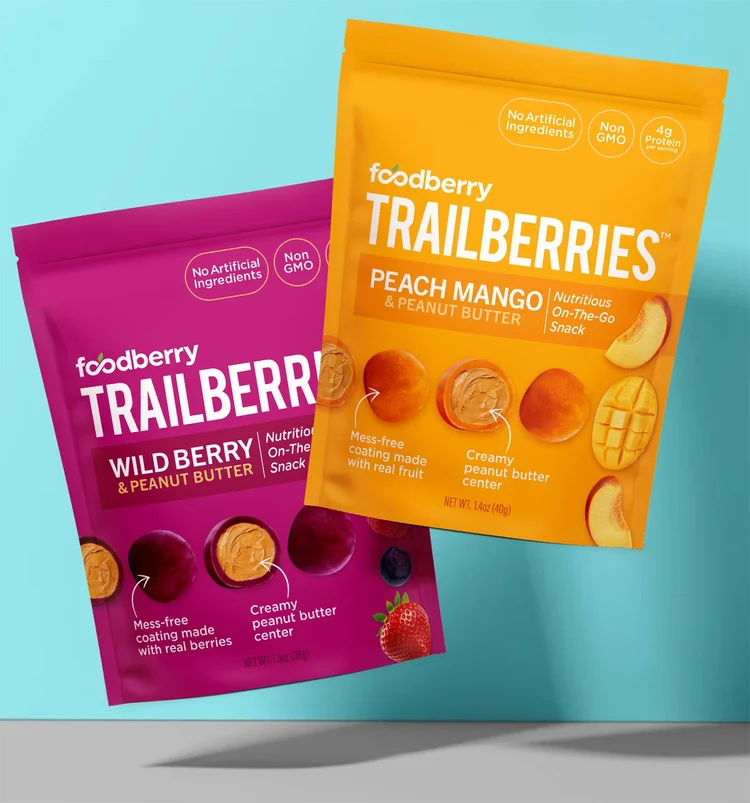
Candy packaging design has a tricky job in 2026. It still needs to feel fun, even as more shoppers look for less sugar or natural sweeteners.
Playful Shelf Appeal: Bright color and playful illustration still drive impulse buys near checkout, and that hasn't changed.
Cleaner Product Messaging: Cleaner language like "made with real fruit" is showing up more often, without losing shelf energy.
Portion-Friendly Formats: Smaller multi-packs nod to portion awareness while keeping the fun of the category intact.
More Sustainable Films: Recyclable, single-material films are catching up with what snack and grocery brands already do.
Turning Packaging Trends into Real Brand Strength
Packaging trends may give a package a new season look for a while, but they cannot do it all by themselves. The key to successful food packaging design is to immediately address one question: What should the customer get from this product the second they look at it? All of the fonts, all of the colors, the feel of the paper, all of the upfront claims have to say the same thing.
This is where good CPG design skill really comes in handy. A nice package doesn’t just look nice on a crowded shelf. It has your brand personality, it has the things that your shoppers expect, and it doesn't look like it's just about usability and eco-friendly materials and strict labelling rules—it's not.
Whether new to the company or revitalizing a classic, Lien Design can take all of those moving parts and make them happen. Being a boutique studio, we provide creativity and real-world FDA compliance so your packaging doesn't just look eye-catching; it's ready to hit the shelves.
Wrapping up:
Standout healthy food packaging design in 2026 comes down to honesty: real materials, real claims, and labels built for rules still in motion. Brands that get ahead of FDA changes protect their shelf space and their budget. That's exactly what Lien Design brings to every project, pairing award-winning creative work with two decades of hands-on FDA compliance experience, so a product looks great and actually reaches the shelf the right way. Check out our website and browse our package design options. Get an estimate today!
Frequently Asked Questions
Q1. What defines healthy food packaging design?
Clear nutrition messaging, honest visuals, sustainable materials, and layouts built around current FDA labeling standards.
Q2. Is the FDA front-of-package label rule final yet?
No. As of 2026, it's still under review, though it remains a top agency priority.
Q3. How does candy packaging design address wellness trends?
Many brands add cleaner ingredient language and smaller portions while keeping that playful, treat-like feel.
Q4. Why does snack packaging design favor matte finishes?
Matte textures feel more natural and less processed, matching better-for-you snack positioning.
Q5. What is CPG product design in simple terms?
It's the branding and packaging strategy behind everyday goods, covering graphics, structure, and compliance together.