
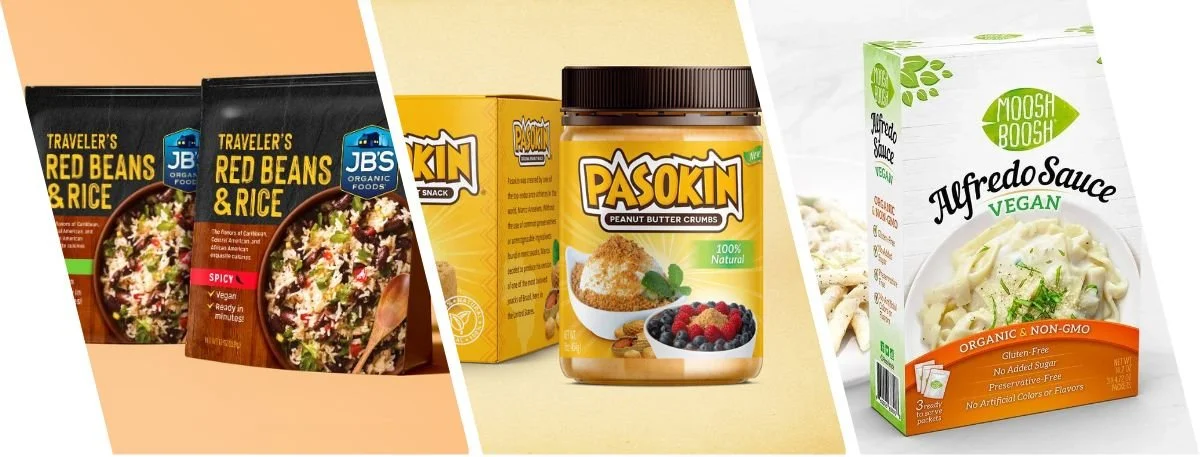
Did you know just 37% of redesigns actually boost sales? A lot of brands treat CPG packaging design like simple decoration. But your product's outer shell isn't just a pretty box- it's a hard-hitting sales tool with measurable ROI, or measurable risk if you get it wrong. Leaving your shelf presence to chance is a gamble you cannot afford.
In this guide, we will walk through the CPG package design process, break down costs and timelines, and show you exactly what separates data-driven packaging redesign from the stuff shoppers ignore. By the end, you'll know how to build packaging that moves units.
What Is CPG Packaging Design?
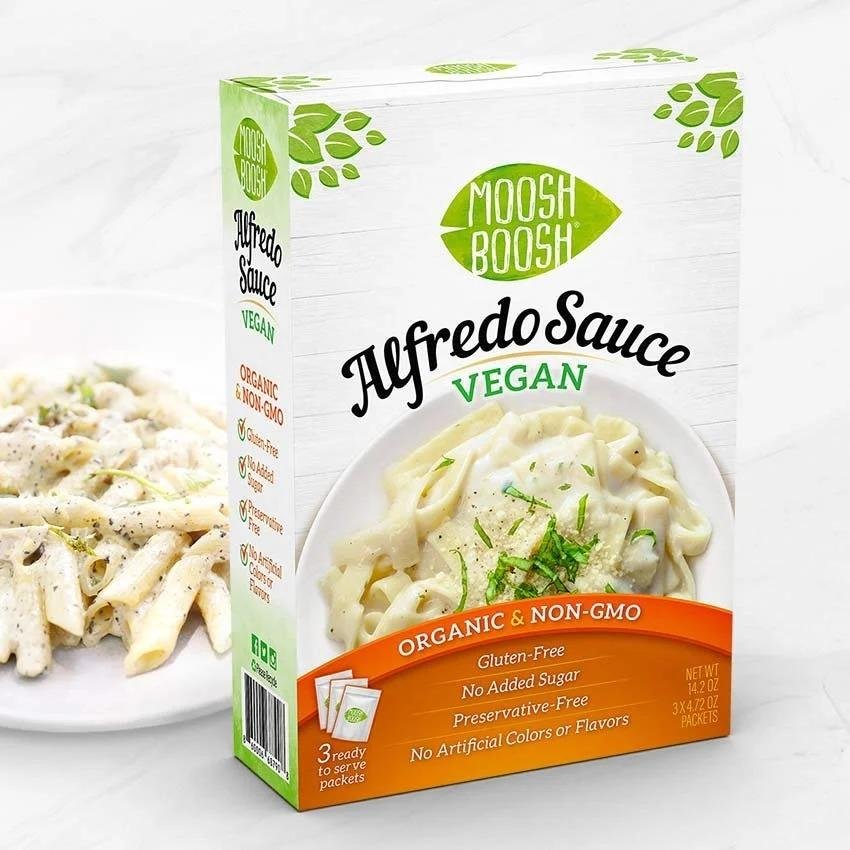
CPG packaging design is the strategic process of creating containers and graphics for products that people buy and use frequently. Think food, drinks, beauty, household, and personal care items (but not durable goods like furniture).
Why is consumer packaged goods packaging so different from other design work? It is all about the retail environment. These products deal with rapid shelf rotation, lower unit costs, and high SKU volume. Designers have to optimize for split-second visual impact so the product pops on a crowded shelf while preserving brand equity.
CPG Packaging Design vs. FMCG Packaging: What's the Real Difference?
CPG and FMCG packaging is predominantly a question of geography. In the UK and internationally, CPG is known as FMCG (Fast-Moving Consumer Goods). However, this little fact can trip up brand teams when they are briefing a packaging design agency. Typically, what is included under FMCG is low cost, high turnaround products, such as candy, and sometimes products are also included under CPG that are not high turnover, such as high-end cosmetics.
Practitioner Note: When clients mix these terms in a brief, we ask: "Are we designing for massive retail velocity, or a slower-rotation premium shelf?"
Why Most CPG Package Redesigns Fail (And How to Be the 37% That Wins)
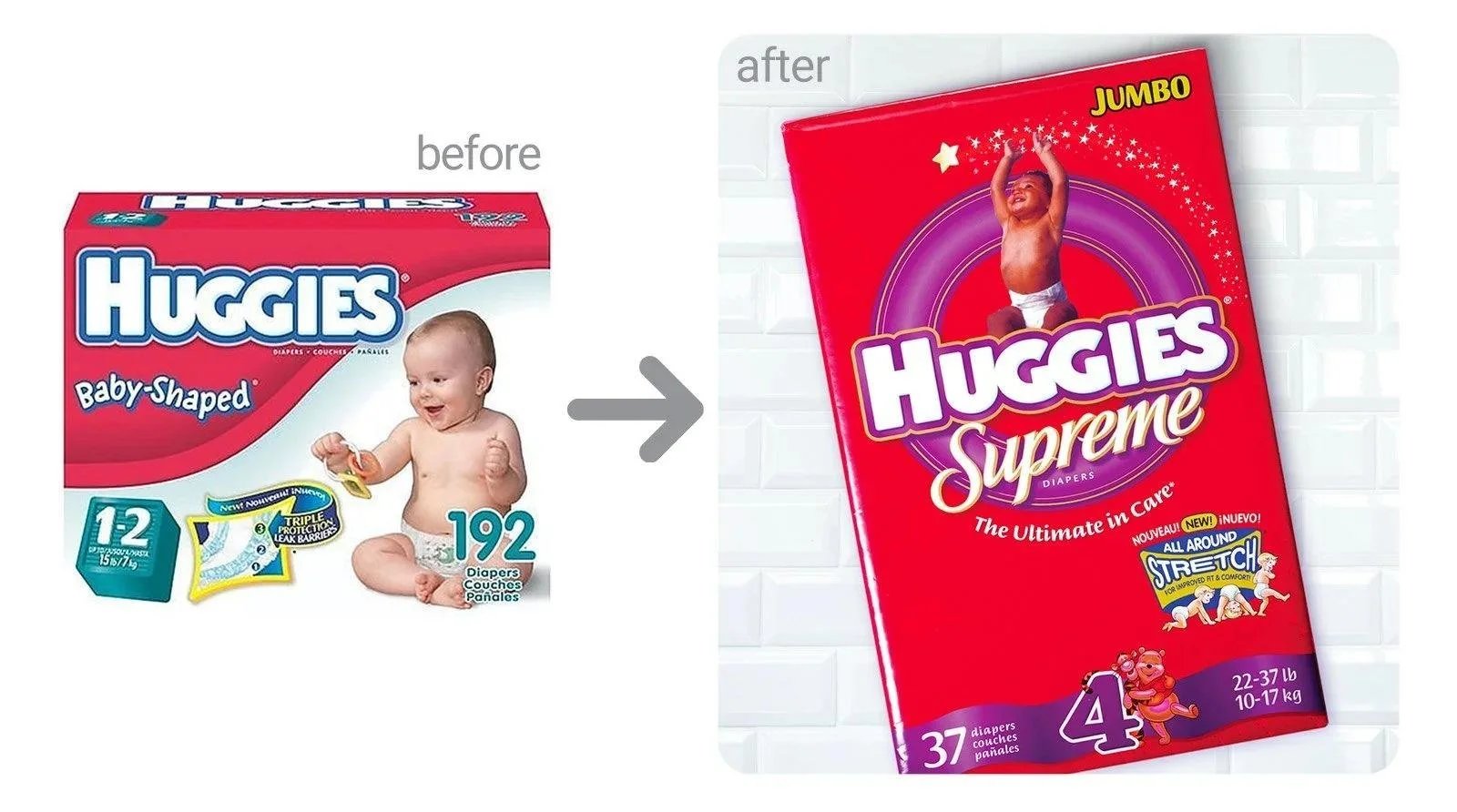
Designalytics data shows that a brutal 63% of packaging redesigns fail to lift sales. Remember the Tropicana disaster in 2009? They stripped away their classic visual cues for a minimalist look, confused their loyal buyers, and lost millions before backtracking.
Redesigns do not fail because they are "too safe" or "too bold." They tank when brands skip research and test zero consumers before launch.
The 3 Most Common Reasons CPG Redesigns Lose Sales
Skipping competitive shelf audits- Designing in a vacuum and ignoring the competitors sitting inches away.
Designing for the boardroom, not the shelf- Picking designs that look incredible on a computer monitor but vanish under terrible grocery store lighting.
No consumer testing before production commitment- Assuming the marketing team's favorite option is what the shopper actually wants to buy.
The CPG Packaging Design Process - Step by Step
Discovery & creative brief- Nailing down business goals and the target audience.
Competitive shelf & category audit- Checking out competitors in-store to find visual gaps.
Brand strategy alignment- Making sure the new look updates the vibe without killing existing brand equity.
Concept development- Building multiple unique design paths.
Pro Tip- In our process, we never present a single direction. Clients who see only one option just validate their own assumptions rather than test the category.
Structural & dieline development- Drafting the physical shape so the structural packaging works flawlessly.
Consumer testing & feedback rounds: Using predictive shelf-appeal testing to gather real buyer feedback.
Refinement- Tweaking typography, colors, and visual hierarchy.
Pre-production & regulatory check- Making sure claims and nutrition facts meet FDA rules.
Print production & quality control- Working with printers to match the physical product to the digital proof.
Post-launch performance tracking- Measuring packaging design ROI with actual sales data.
What Makes Packaging Design "Award-Winning"?
Real award-winning packaging design scores high on shelf differentiation, clear messaging, and measurable sales lift- not just subjective beauty. Industry benchmarks judge work heavily on creativity and shelf-ready execution.
Data-backed recognition matters. That is exactly why we were proud to win the Packaging Design Excellence Award from the ICONIC Awards. We always consider top, eye-level, and bottom shelf placements to ensure your product gets noticed wherever the retailer places it.
How Much Does CPG Packaging Design Cost?
The cost of CPG packaging design varies by scope, usually landing between $5,000 and $30,000+. Total SKU count, structural complexity, revision rounds, and agency versus freelancer rates all impact the final price tag.
For a deeper dive into pricing, check out our full breakdown of CPG packaging design costs.
How Long Does CPG Packaging Design Take?
Expect a standard timeline of 4 to 8 weeks. However, this easily stretches out for multi-SKU lines or heavily regulated categories. Long stakeholder approval chains, custom prototyping, and complex regulatory reviews will add weeks to your launch.
CPG Packaging Design Best Practices Brands Actually Use
Prioritize purchase-driver communication- Tell the consumer exactly why they should buy it, rather than just making it look pretty.
Utilize taste/sensory imagery- Appetizing visuals are a must for food and beverage categories.
Maintain omnichannel CPG brand consistency- Keep your identity strong across all SKUs and sales channels.
Leverage sustainability- Treat eco-friendly materials as a real reason to buy, not just a corporate checkbox.
Invest in structural differentiation- Custom shapes and closures are worth the money when they genuinely improve shelf appeal.
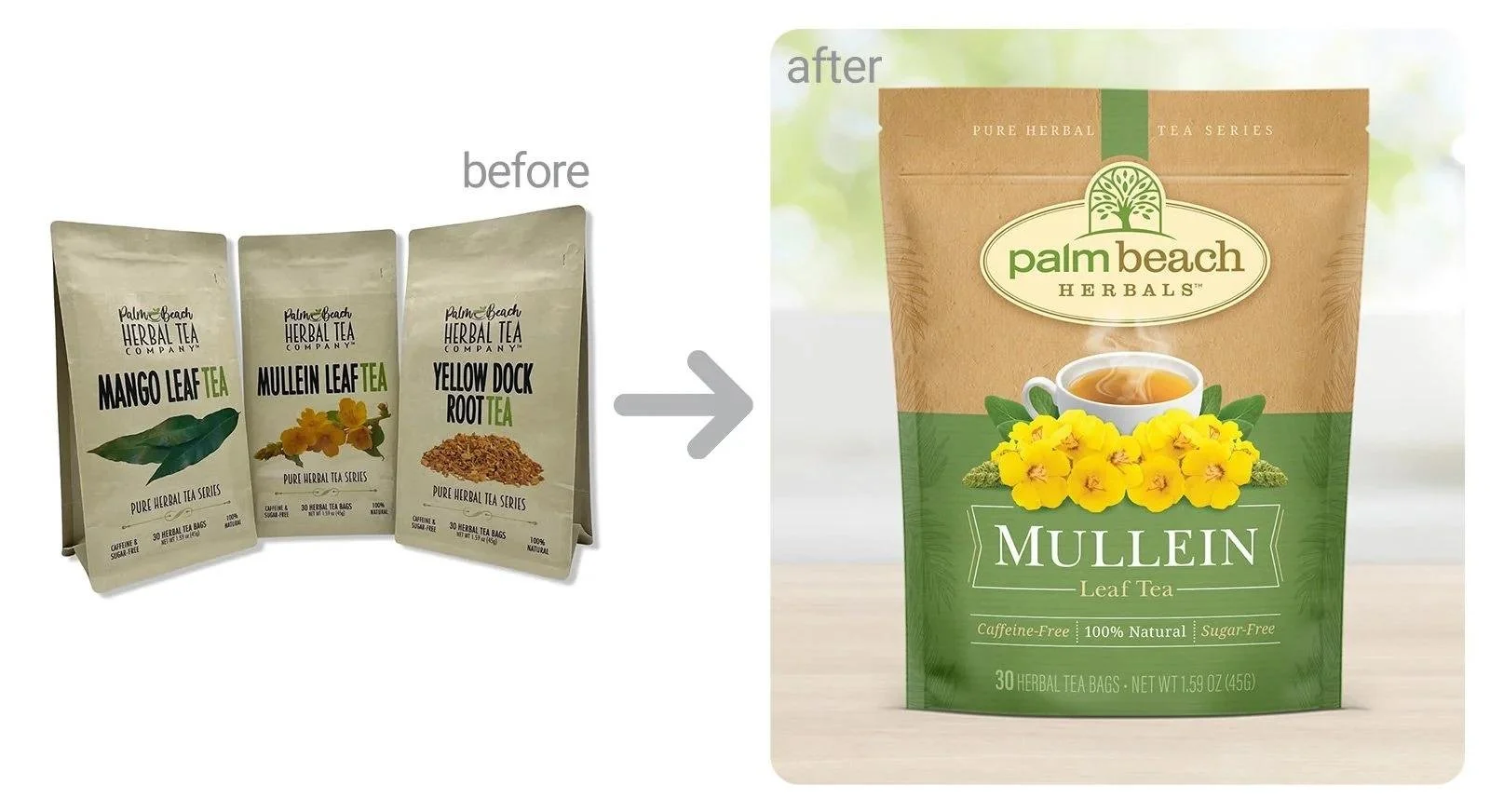
These strategies work. With targeted design, CQ Mixers saw a 231% increase in sales in the first year of their packaging redesign. Palm Beach Herbal Tea enjoyed a 180% boost after updating its packaging to better highlight product benefits.
Common CPG Packaging Design Mistakes to Avoid
Do not design for the conference room; what pops on a screen often fades on a messy retail shelf. Skipping FDA-compliant CPG packaging design reviews until the last minute is another major error that leads to expensive reprints. Lastly, never assume your internal team's preference equals the shopper's preference. Tropicana and Organic Valley are prime examples of why consumer research has to overrule gut feelings.
How to Choose a CPG Packaging Design Agency
When looking for a CPG packaging design agency small business leaders can rely on, ask about their category experience, testing methods, and print production knowledge. Red flags? No consumer testing, a lack of named case studies (like our launch of 19 flavors for David Bradley Chocolatiers), or zero regulatory compliance processes.
Final Words
At the end of the day, CPG packaging design is a serious sales lever, not just window dressing. The brands that win on the crowded shelf are the ones that rely on real consumer research, thorough category audits, and strategic execution rather than subjective boardroom opinions. You simply cannot afford to guess what your buyers want or assume a pretty graphic will automatically translate into retail dominance. A smart, data-backed approach minimizes your risk and maximizes your return on investment.
Stop leaving your retail performance up to chance when you have the tools and expertise available to guarantee a massive impact. If you are genuinely ready to transform your product into an undeniable market leader, it is time to take decisive action. Get in touch with Lien Design to discuss your specific vision and discover how the right visual strategy can elevate your overall bottom line. Get a free packaging design estimate today, and let's start building a package that actually moves units!
Why Trust Lien Design: Expert Guidance from Tom H. Lien
When you put your brand on the line, you need elite guidance. Lien Design blends strategic data with decades of hands-on creative expertise. Founded by Tom H. Lien, a widely recognized art director, author, and designer with over 20 years of experience, our boutique studio gives you direct access to an industry authority. Tom remains your main point of contact, personally handling 90% of the creative work to guarantee unmatched quality and product growth.
FAQs About CPG Packaging Design
What is CPG packaging design?
It is the strategic creation of structures and graphics for fast-replenishing consumer goods, designed to maximize shelf visibility and sales velocity.
What's the difference between CPG and FMCG packaging?
CPG is standard US terminology, while FMCG (Fast-Moving Consumer Goods) is used in the UK and globally. Both refer to fast-turnover retail products requiring impactful packaging.
How long does a CPG packaging design project take?
Usually 4 to 8 weeks. Timelines stretch if you have high SKU volume, need custom structural prototyping, face strict regulatory reviews, or have long approval chains.
What are the four C's of packaging design?
Command attention on the shelf, Communicate benefits clearly, Connect with the consumer emotionally, and Compel the shopper to purchase.
Why do CPG package redesigns fail?
Redesigns usually fail because brands skip shelf audits, design for boardroom aesthetics instead of retail environments, and do not run consumer tests before printing.
What FDA requirements apply to CPG packaging?
FDA rules cover the statement of identity, net quantity, ingredient lists, allergen declarations, and specific formatting for nutritional fact panels