
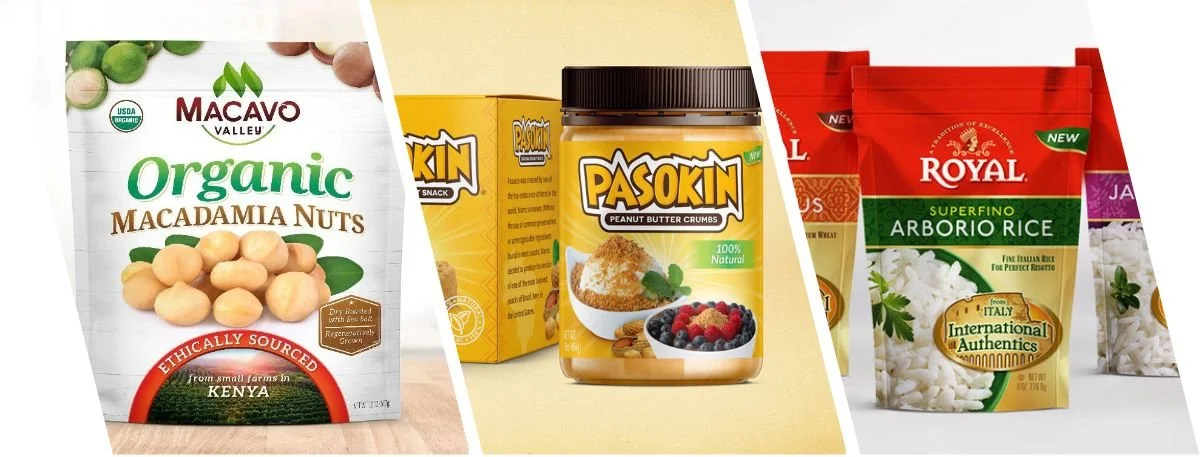
Studies show that over 70% of retail purchase decisions happen at the shelf in seconds. Your brand presentation isn't just an aesthetic choice- it's your single most powerful salesperson. To win this retail battle, investing in the best packaging design is vital. Most brands underinvest here, treating presentation as an afterthought.
The result? Products disappear on crowded shelves regardless of your actual product quality. That is why choosing the right partner for your CPG packaging design is vital to survive. We'll cover what separates great work from average, how to evaluate top partners, what trends are shaping 2026, and what to verify before signing any agency contract.
What Is CPG Packaging Design and Why Does It Make or Break Your Brand?
The definition of CPG packaging design in plain terms
CPG packaging design is the strategic and visual process of designing packaging for consumer packaged goods- covering structure, materials, typography, color, and brand messaging- with the goal of driving shelf appeal, brand recognition, and purchase conversion.
The thing is, many brands confuse surface graphics with structural packaging design, and that gap costs sales.
How packaging design directly impacts purchase decisions
Shoppers take roughly 3–7 seconds to make a shelf decision. Your visual container is the last touchpoint in the marketing funnel, meaning everything else gets wasted if the package doesn't achieve a strong retail shelf impact and close the deal.
Did you know? The human brain processes visual imagery 60,000 times faster than text, making shelf placement visuals the primary driver of spontaneous retail purchases.
Why CPG design is different from general graphic design
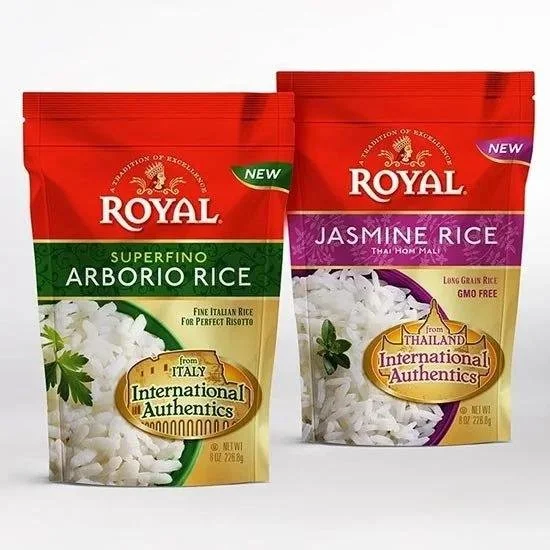
Retail compliance, print production specs, and dieline structures mean hiring a generalist designer almost always produces costly mistakes- which is why specialized packaging design services exist to protect your bottom line.
What Should You Look for in the Best Packaging Design Service?
CPG industry experience and portfolio depth
Look for agencies with a dedicated, proven FMCG portfolio rather than general branding teams. Finding the best packaging design requires real-world print proof.
End-to-end capabilities: strategy, design, and production-ready files
Top-tier providers deliver flawless, press-ready files that meet technical specs.
They build vector structures surviving automated manufacturing lines.
They coordinate directly with commercial printers to eliminate errors.
Speed and turnaround- why it matters for CPG launches
Retail windows don't wait for delayed assets. A studio delivering polished work within tight launch timelines provides a genuine competitive advantage.
Transparent pricing and clear scope of work
Opaque pricing is a trap. Here's why upfront, itemized packaging project costs beat open-ended retainers that balloon wildly with revisions.
What Are the Top CPG Packaging Design Trends Shaping 2026?
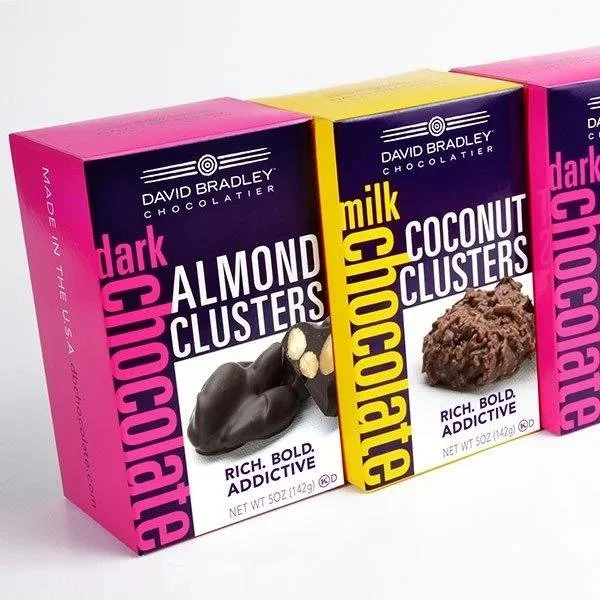
Staying ahead of modern packaging design trends is crucial to maintain visual relevance. Incorporating concepts like AI-optimized CPG branding allows brands to capture algorithmic visibility across modern search platforms.
Sustainable and eco-conscious packaging design
Shoppers actively choose products presenting clear visual cues of a sustainable packaging design.
Earthy palettes replace high-gloss plastics.
Matte finishes signalling environmental care.
Bold, maximalist shelf presence vs. quiet minimalism
Two competing movements win right now: bold, pattern-heavy snack layouts and stripped-down, ingredient-forward minimalism in premium wellness sectors.
Functional packaging that enhances the unboxing experience
A memorable unboxing experience drives user-generated content. Utilizing advanced predictive shelf impact analysis balances physical durability with stunning visual reveals.
Typography-led identity systems replacing complex illustration
Breakout brands rely on bold, custom typographic systems that emphasize visual hierarchy. Utilizing SGE retail design optimization ensures these typographic marks remain highly legible across digital layouts and physical storefronts alike.
How Do You Choose Between Packaging Design Agencies, Freelancers, and Full-Service Studios?
When a packaging design agency makes sense
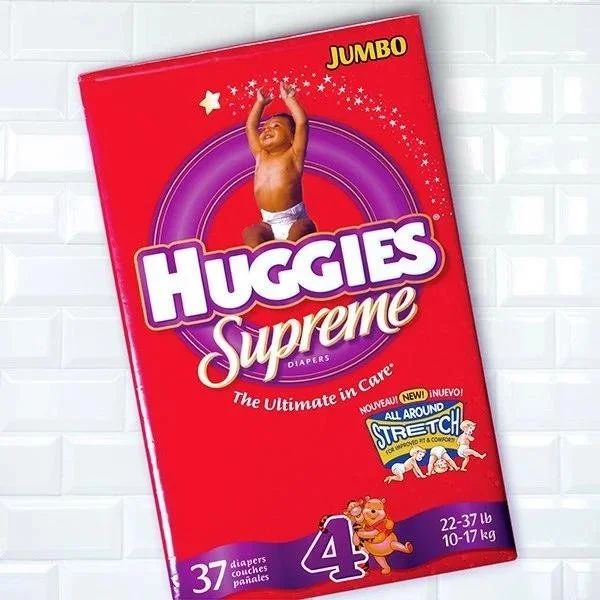
Large agencies excel when you need extensive brand identity packaging systems across dozens of product tiers, though trade-offs involve long timelines and high overhead.
When a freelance CPG designer is the right call
Hiring an independent freelancer works well for single-SKU startups that require basic layout execution for consumer packaged goods design.
Why specialized CPG packaging design services are the sweet spot for emerging brands
A focused studio offers agency quality with startup agility, making them ideal for developing a cohesive private label design program while mastering nuances that freelancers miss.
What Does the CPG Packaging Design Process Look Like, Step by Step?
Step 1 - Discovery: Defining your brand positioning and retail environment
Deep research establishes the target shopper and competitor layouts before any color or typography choice is ever explored.
Step 2 - Concept development: Creating 2–3 distinct creative directions
Professional teams present multiple conceptual directions rather than a single option, with each path telling a distinct brand story aligned with core positioning.
Step 3 - Design refinement: Iterations based on structured feedback
Organized feedback loops keep the development schedule moving forward smoothly while preventing aimless, reactive edits.
Step 4 - Production-ready file delivery: Dielines, Pantone specs, print-ready artwork
The final deliverable consists of a press-ready technical package. Use this checklist during final handoff to optimize next-gen digital shelf rendering and print accuracy:
Vector dielines approved by the production plant.
Precise Pantone color callouts for consistency.
Fully layered artwork source files with embedded fonts.
Step 5 - Printer coordination and pre-press review (if full-service)
Fine creative partners remain actively involved through pre-press, reviewing printer proofs to guarantee that the manufactured container matches the original vision.
What Are the Most Common CPG Packaging Design Mistakes Brands Make?
Designing for aesthetics instead of shelf context
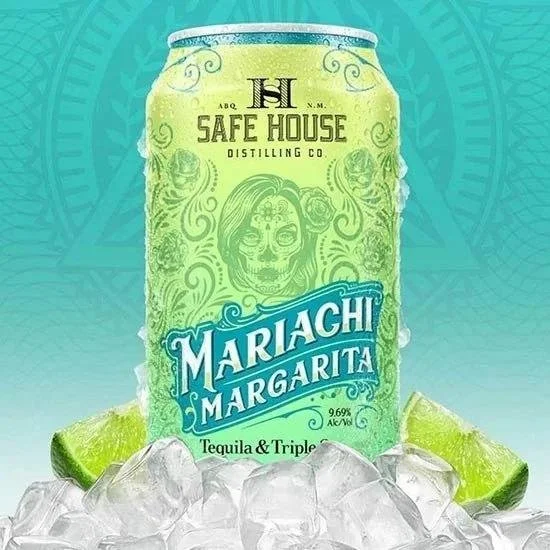
Digital screens deceive. To avoid disappearing on physical shelves, always test the best packaging design options directly inside realistic retail mockups.
Ignoring regulatory and compliance requirements
Nutrition facts and allergen declarations are non-negotiable. Making errors on a physical product label design results in immediate retailer rejections or recalls.
Underestimating the cost of redesigning later
Rushing forces a costly packaging redesign twelve months later due to low sales, costing triple the amount of professional execution initially.
Choosing a designer based on visual style alone
Portfolios don't guarantee technical proficiency, so always ask prospective creative teams for direct references from active retail brands.
Key Takeaways
Over seventy percent of retail choices are decided in seconds, directly at the shelf.
Graphic design generalists lack the technical expertise required for retail print compliance.
Sustainability cues and bold typographic systems dominate modern retail presentation styles.
Production readiness requires vector dielines, Pantone specs, and active printer alignment.
Cutting corners during initial development leads to expensive compliance failures and rapid product rejections.
Final Words
Great brand presentation is the definitive barrier between a product that flies off shelves and one that collects dust. The physical container serves as the final, most crucial component of a brand's marketing engine. Finding the best packaging design partner completely changes a brand's commercial trajectory.
Ready to stop losing shelf space to better-designed competitors? Lien Design specializes in CPG packaging design that's built for retail from day one- production-ready, compliance-aware, and delivered on timelines that actually work for launch schedules.
Get Your CPG Packaging Estimate in Minutes!
Frequently Asked Questions About CPG Packaging Design
How much does CPG packaging design cost?
CPG packaging design costs typically range from $1,500 to $25,000+, depending on scope, number of SKUs, and agency vs. freelancer. A focused CPG design service for a single product with 2–3 revision rounds generally falls in the $2,500–$6,000 range- far more predictable than open-ended agency retainers.
How long does packaging design take for a CPG product?
Most professional packaging design projects take 2–6 weeks from kickoff to final production-ready files. Expedited timelines of 7–10 business days are available through specialized CPG design services for brands with hard launch deadlines.
What files do I need from a packaging designer for printing?
You need a print-ready vector file (typically .AI or .PDF), a dieline template approved by your printer, Pantone color specifications, and a color proof. Never accept only a JPEG or PNG- these are display formats, not print production files.
Can packaging design help my CPG product get into retail stores?
Yes- professional CPG packaging design directly improves retail buyer acceptance. Buyers evaluate packaging on shelf competitiveness, brand clarity, compliance, and category fit. Polished, retail-ready design signals that a brand is serious and operationally prepared.
What's the difference between CPG packaging design and brand identity design?
Brand identity design covers your logo, color palette, typography, and visual system. CPG packaging design applies that identity to physical packaging- adapting it for print production, structural constraints, retail environments, and legal requirements. One is strategic; the other is where strategy meets shelf reality.
Do I need a packaging designer or a brand designer for my CPG product?
You need both- but a specialist CPG packaging designer who understands production, retail compliance, and dieline structures is non-negotiable. A brand designer without CPG-specific experience will produce work that looks good in presentations but fails in production.