
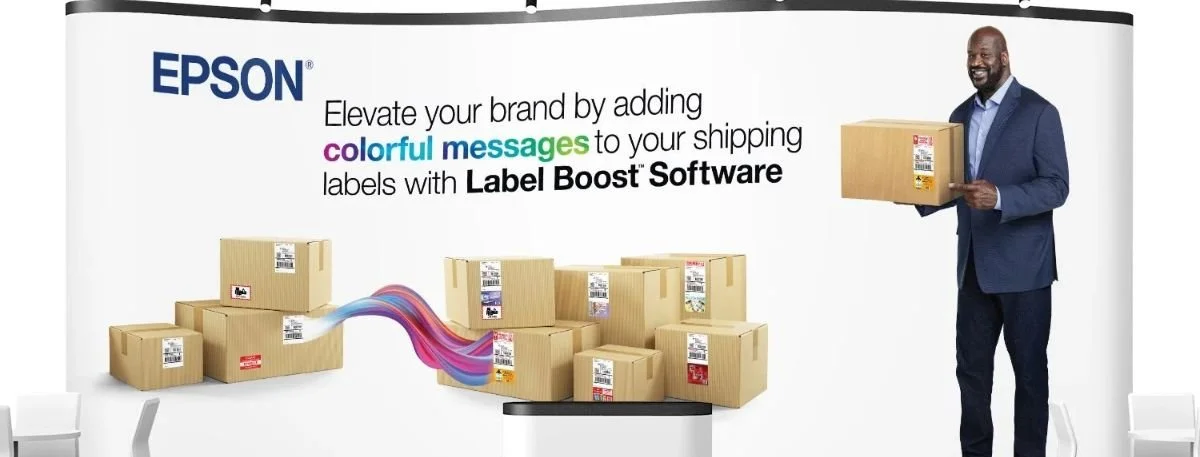
Standing out on a crowded exhibition floor takes more than just bright lights. It demands absolute precision. Epson Trade Show display designs require a deep understanding of visual psychology paired with flawless technological integration. Brands are actively competing for a fiercely limited resource- human attention. And capturing that attention means moving far beyond static signage into dynamic environments that stop attendees in their tracks.
The thing is, an uninspired booth actively hurts brand perception. But a meticulously crafted space drives engagement, fosters trust, and captures qualified leads. Leveraging advanced projection tech and high-resolution visuals transforms standard footprints into captivating brand experiences. Here is a close look at the five core visual strategies and layout techniques this blog will cover to help maximize impact at upcoming industry events.
Analyzing Epson Trade Show Display Designs for Maximum Impact
When planning an exhibition space, the hardware is only half the equation. The visual strategy actually dictates how attendees interact with that technology. Epson projectors offer incredible lumen output and crisp color accuracy. But without strategic placement, all that power goes unnoticed. Blank walls represent missed opportunities.
Architectural integration must be completely flawless. Deploying optimal Epson Trade Show display designs ensures that the heavy equipment completely blends into the background. Letting the core message take center stage.
Here is how industry experts maximize the impact of these sophisticated setups:
Align projectors throw distances meticulously with expected foot traffic patterns.
Utilize ultra-short-throw technology to eliminate disruptive shadows from passing crowds.
Create dedicated, enclosed zones specifically for product demonstrations.
Blend high-definition digital projections with physical architectural build-outs to create depth.
Incorporate ambient light-rejecting screens to combat uncontrollable stadium lighting.
Plus, leveraging interactive Epson projection setups ensures that digital content feels entirely native to the physical space. Driving deeper attendee immersion instantly.
The Role of Trade Show Graphic Design in Modern Booths
Visual messaging must be instantaneous. Attendees walking down a busy aisle will give a booth roughly three seconds to make an impression. High-contrast, sharply rendered graphics are absolutely non-negotiable. The integration of physical print and digital assets must feel completely seamless. Fragmented branding simply creates cognitive dissonance.
Effective visual communication involves several critical components that demand expert execution:
Bold typography that remains highly legible from at least fifty feet away.
Color palettes tuned specifically to cut through the venue's harsh ambient lighting.
Minimal text to reduce cognitive load on passing visitors. Focus on strong imagery.
Strategic negative space that allows the primary brand message to breathe.
Material selection that absorbs excess light rather than reflecting it back at the viewer.
Incorporating next-gen trade show booth optimization principles ensures physical graphics work in perfect tandem with dynamic digital displays.
Did you know? Booths utilizing suspended overhead banners experience a 35% increase in visibility from across the exhibition hall, effectively doubling their potential foot traffic before attendees even enter the aisle.
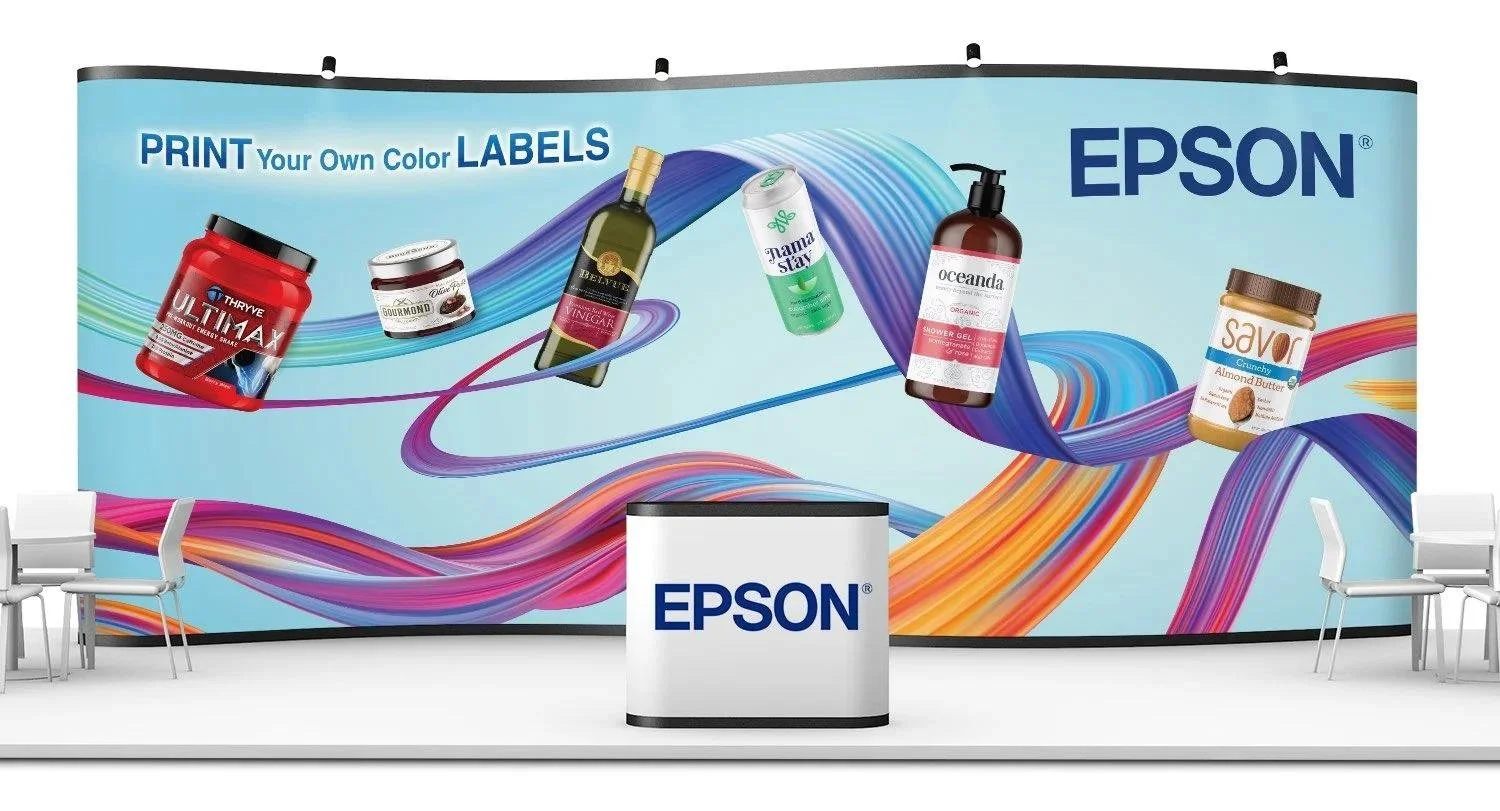
Elevating the Space with Trade Show Banner Design
Overhead structures anchor the visual hierarchy of an exhibition space. They guide the human eye right from the ceiling down to the interactive floor elements. Hanging structures and retractable stands provide necessary verticality. Preventing the booth from feeling flat and uninviting. Spatial dominance is key.
To optimize structural effectiveness, focus on these spatial elements:
Double-sided fabric printing for comprehensive 360-degree brand visibility.
Tension fabric structures to eliminate distracting wrinkles and glare.
Strategic placement near high-traffic intersections to intercept attendee flow.
Lightweight aluminum rigging to strictly comply with venue weight limitations.
By executing precise trade show display design, the entire architectural layout works harmoniously to trap and hold attention.
5 Visual Strategies for High-Impact Exhibitions
The modern exhibition landscape requires an aggressive approach to sensory engagement. Static setups no longer command respect. The demand for interactive trade show displays is higher than ever. Here's why these five distinct strategies are dominating exhibition floors in 2026.
1. Immersive Projection Mapping
Transforming standard physical walls into dynamic, storytelling canvases. This creates a deeply engaging narrative environment that wraps around the attendee.
2. Interactive Touch Surfaces
Allowing attendees to drive their own discovery process. Engagement metrics soar significantly when potential clients control the flow of product information.
3. Architectural Lighting Integration
Using programmable light to intuitively guide the visitor journey. This highlights key hero products while subtly pushing foot traffic toward dedicated lead capture stations.
4. Kinetic Digital Elements
Motion inherently captures the human eye. Subtle, continuous movement in background visuals prevents the physical environment from feeling stagnant or outdated.
5. High-Fidelity Color Matching
Brand consistency builds immediate, subconscious trust. Precise color calibration between physical printed materials and illuminated digital screens is vital for a premium aesthetic.
Implementing AI-driven exhibition booths 2026 analytics helps track exactly which of these visual zones perform best in real-time.
A Step-by-Step Checklist for Launching Your Display
Preparation is the ultimate differentiator. Executing flawless Epson Trade Show display designs requires rigorous, uncompromising preparation. Leave absolutely nothing to chance. A single technical failure shatters the illusion of professionalism.
Follow this critical step-by-step checklist before the venue doors open to the public:
Step 1: Verify exact venue lighting conditions and adjust projector lumens accordingly.
Step 2: Test all graphic rendering and digital files at full scale to check for micro-pixelation.
Step 3: Calibrate color profiles strictly across both physical tension banners and digital touch interfaces.
Step 4: Conduct a comprehensive shadow-cast walk-through to ensure passing attendees will not block projections.
Step 5: Confirm backup media players are fully loaded, connected to power, and actively running.
Step 6: Inspect all structural rigging for alignment perfection. Ensuring fabrics are pulled tightly without sagging.
Focusing on high-ROI exhibition design trends means treating the on-site setup process as seriously as the initial studio design phase. And applying advanced spatial visual strategies guarantees a seamless execution.
Key Takeaways
High-contrast visual graphics are essential for capturing attendees' attention within a three-second window.
Ultra-short-throw projection technology easily eliminates disruptive shadows in highly congested booth areas.
Suspended overhead tension banners significantly increase brand visibility from across the exhibition hall.
Immersive projection mapping effortlessly transforms static booth walls into highly engaging brand experiences.
Meticulous color calibration across all mediums builds instant brand trust and undeniable professionalism.
Final Words
The landscape of exhibition marketing continues to evolve rapidly. The thing is, standing out consistently requires a precise synthesis of cutting-edge technology and brilliant aesthetics. By implementing these strategic visual approaches, brands can effectively transform an ordinary rented space into a highly profitable lead-generation engine. Securing top-tier Epson Trade Show display designs ensures that the brand dominates the floor and leaves a lasting, lucrative impression.
Ready to elevate the next massive exhibition? Partner with the award-winning experts at Lien Design to craft a visually stunning, high-converting booth that demands attention and drives measurable results.
FAQs about Epson Trade Show Display Designs
1. What is the most critical element of a successful exhibition display?
Clear, high-contrast visual messaging that communicates your brand identity instantly to passersby.
2. How do short-throw projectors specifically improve booth layouts?
They allow massive, high-definition visuals in extremely tight spaces without attendees casting shadows.
3. Can projection mapping work effectively in brightly lit venues?
Yes, provided the digital equipment utilizes high lumen output and ambient light-rejecting materials.
4. Why is color calibration so crucial for physical and digital assets?
Consistent brand colors across all visual mediums build immediate psychological trust with potential clients.
5. How early should a company start planning its booth design?
Expert designers highly recommend beginning the conceptual layout at least six months before the event.