The retail shelf is evolving at a breakneck pace. Getting ready for 2026 means looking way beyond pretty aesthetics and embracing some rather strict regulatory shifts.
"AI slop" became Merriam-Webster's 2025 Word of the Year for a reason: the internet is absolutely flooded with low-quality, machine-generated content, and consumer product design is no exception.
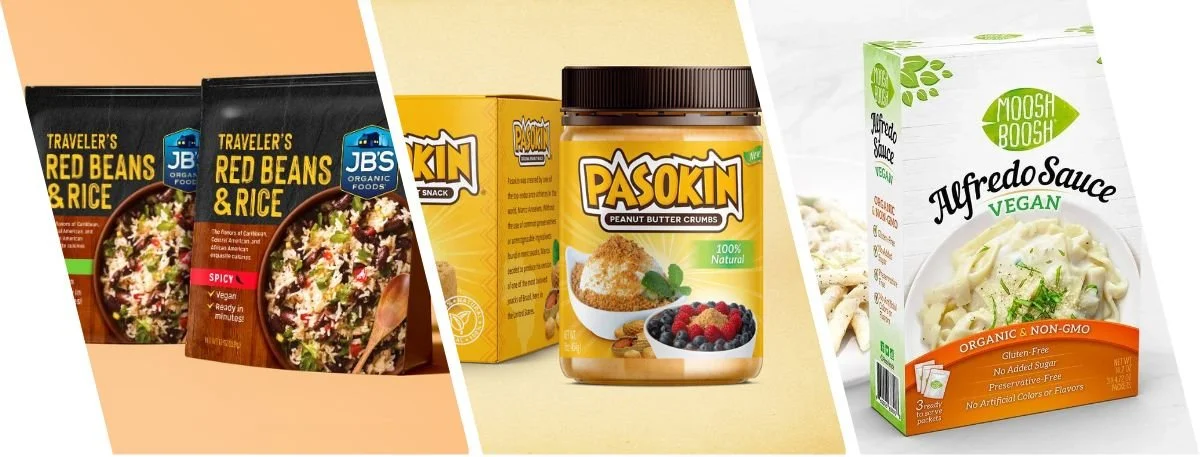
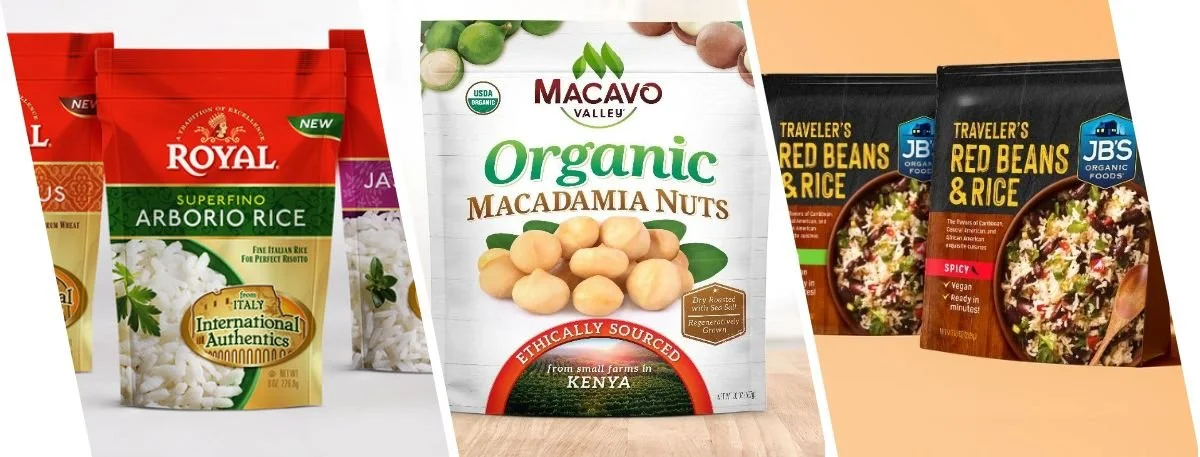
Pick up any snack off a shelf. You probably grabbed it before reading a single ingredient. That's packaging talking before the label does, and in 2026, healthy food packaging design is the language brands can't get wrong.
Walking down a grocery aisle today feels entirely different than it did just five years ago. Brands are fighting harder than ever for attention in an intensely crowded and competitive marketplace.
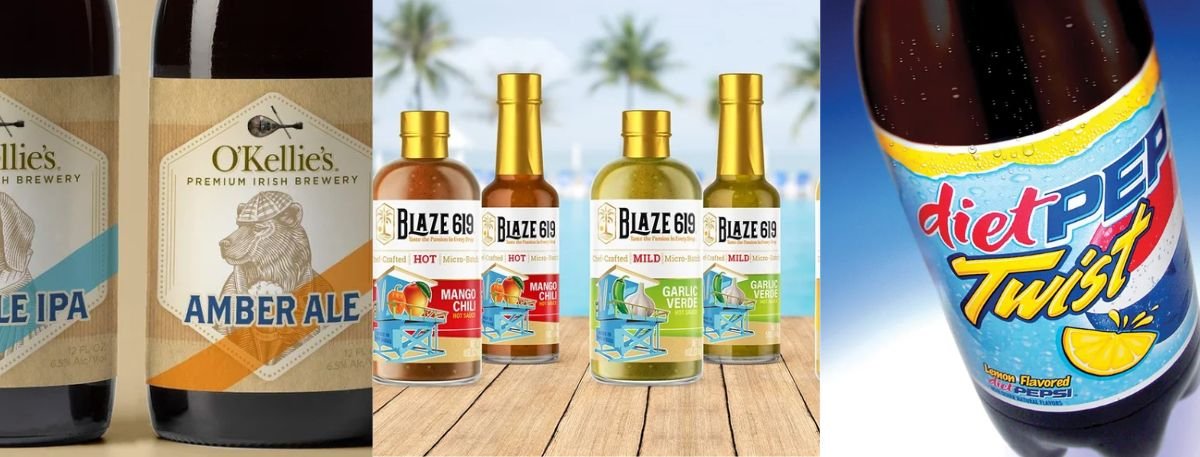
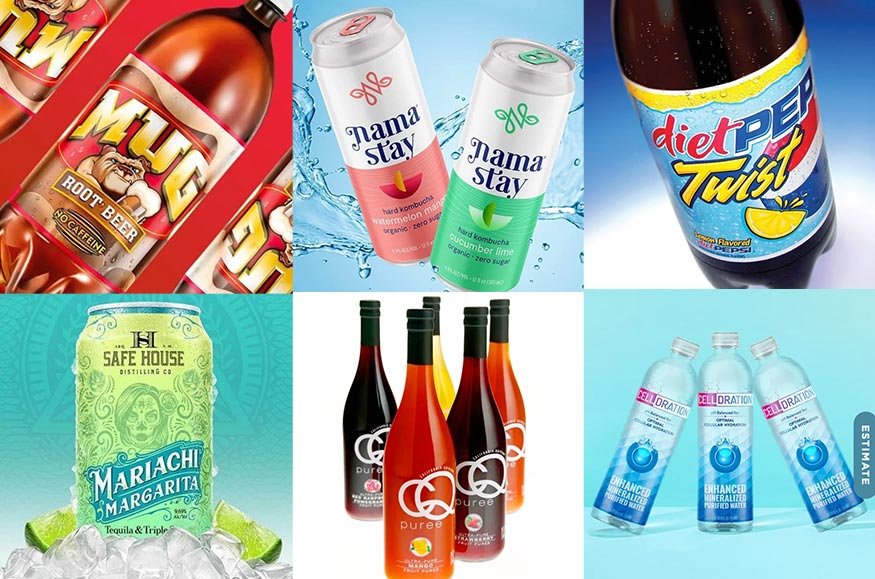
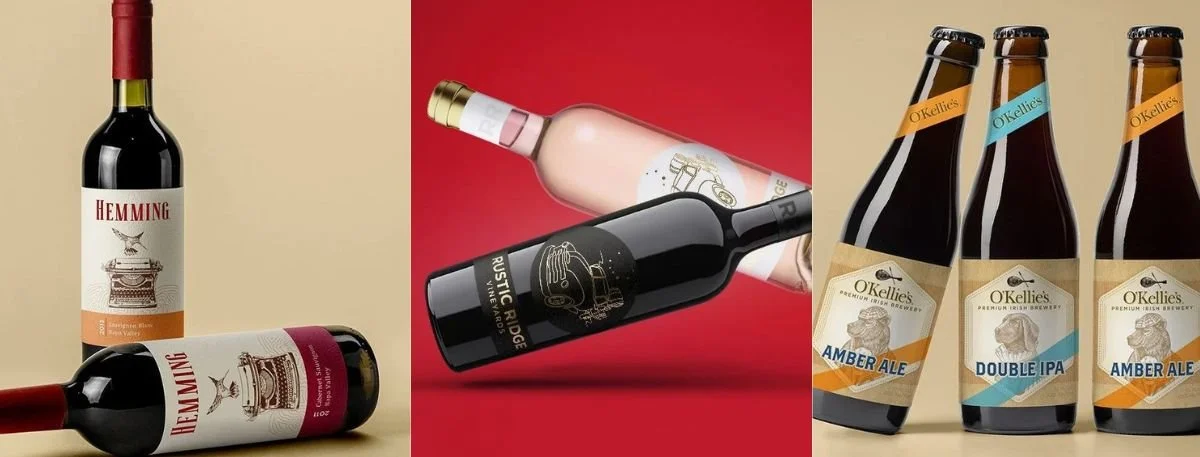
Most beverage packaging content stops at design- color, typography, imagery- and skips the part that determines whether that design survives contact with a printing press.
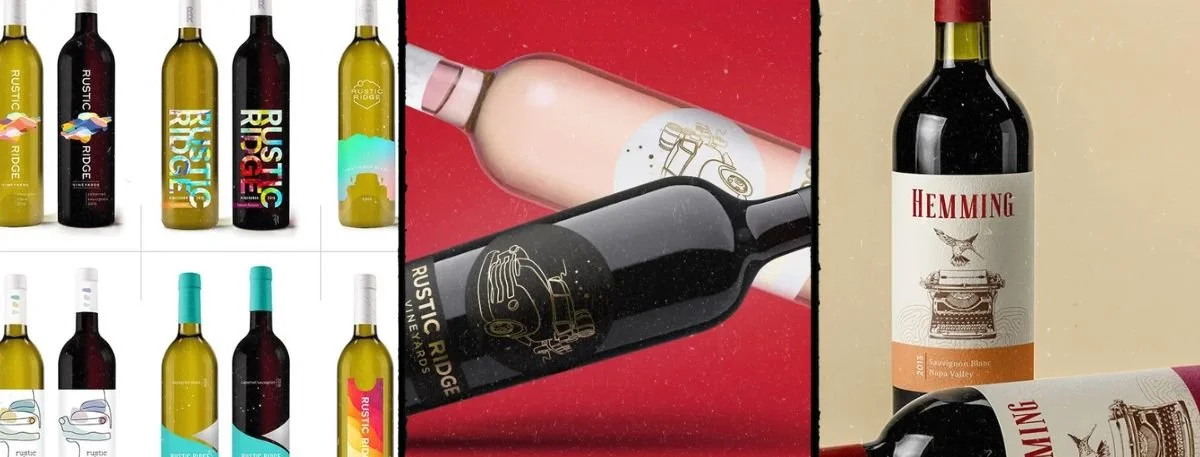
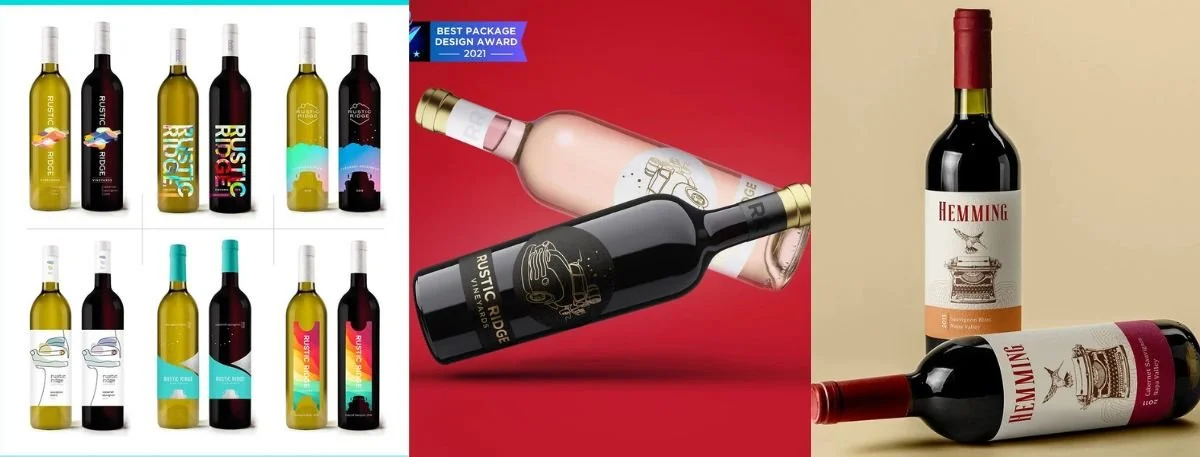
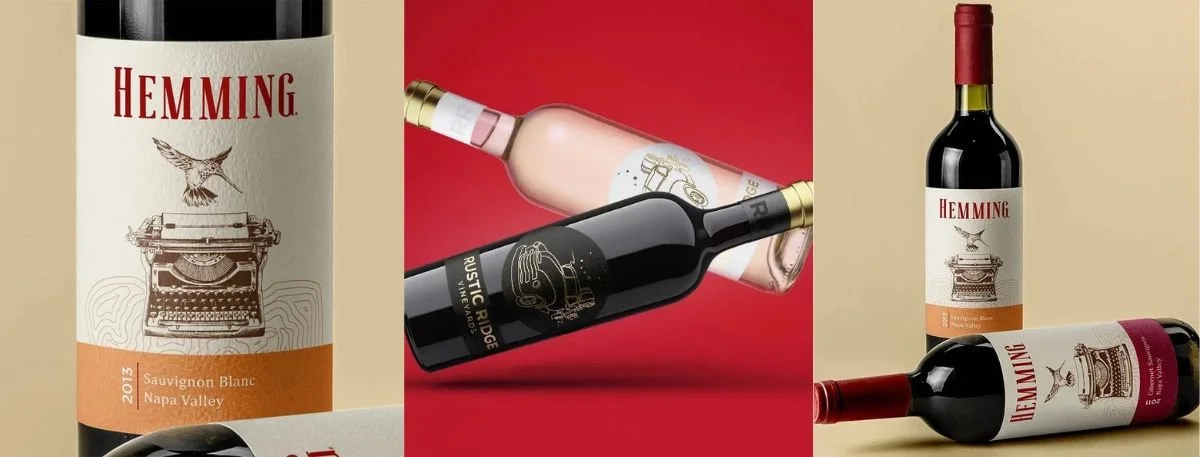
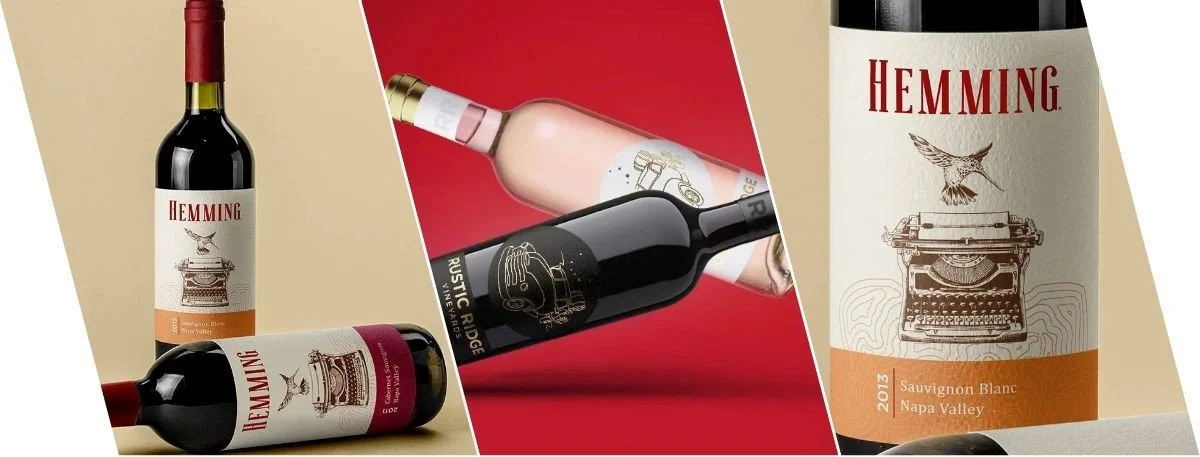
Wine label design cost doesn't come down to one number- it comes down to scope. The gap between a simple refresh and a full custom redesign is bigger than most brands expect.
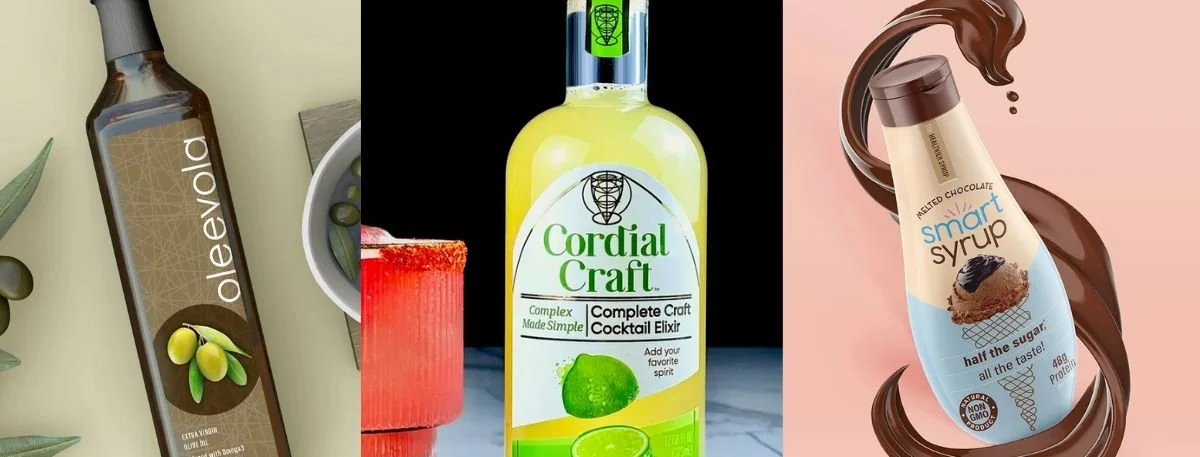
Let's be real- beverage packaging moves incredibly fast. Most trend roundups you read online just recycle the exact same five talking points we've all seen since 2022.
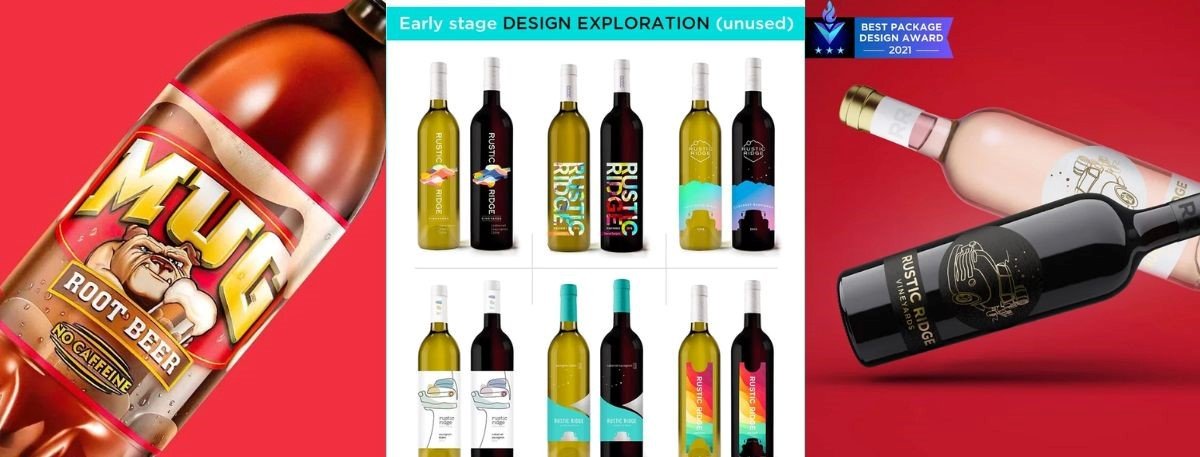
Choosing the best packaging design agency for a beverage product is a crucial decision that brands often underestimate. Hire the wrong team, and you could get a redesign that looks great in a pitch deck but fails on the shelf or triggers costly compliance issues.
In our 23+ years working in beverage packaging design, we've noticed one undeniable truth: people decide what to buy on the shelf in literally seconds. The beverage aisle is, hands down, the most visually brutal space in retail.
Walking down a crowded retail aisle, it's easy to see why a great wine label design matters. Before anyone ever tastes what's inside, your label is doing all the heavy lifting.
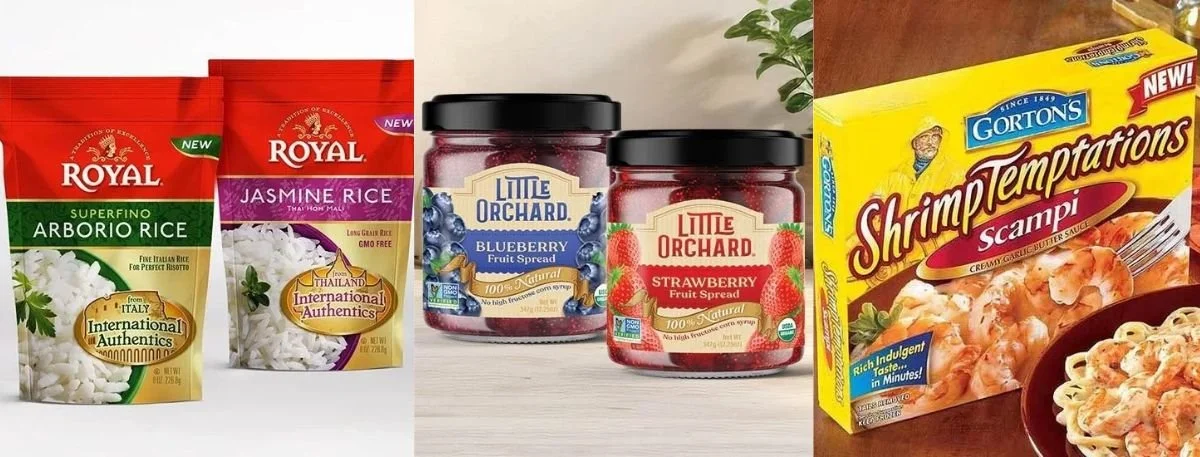
Did you know just 37% of redesigns actually boost sales? A lot of brands treat CPG packaging design like simple decoration. But your product's outer shell isn't just a pretty box- it's a hard-hitting sales tool with measurable ROI, or measurable risk if you get it wrong. Leaving your shelf presence to chance is a gamble you cannot afford.
Have you noticed your social feed suddenly looks like a bizarre sci-fi art gallery? The internet is absolutely flooded with artificially generated promos.
Studies show that over 70% of retail purchase decisions happen at the shelf in seconds. Your brand presentation isn't just an aesthetic choice- it's your single most powerful salesperson.
The health food aisle is extraordinarily competitive right now. Simply having a nutritious product inside the box is no longer enough to guarantee retail success.
A bottle of wine sits on a shelf. Nobody's tasted it yet. But someone's already decided it's worth $45 - not $12. That decision? It came from the label.
A wine bottle gets roughly three seconds on a shelf. Three seconds to catch an eye, earn a second glance, and make someone reach for it instead of the bottle next to it.

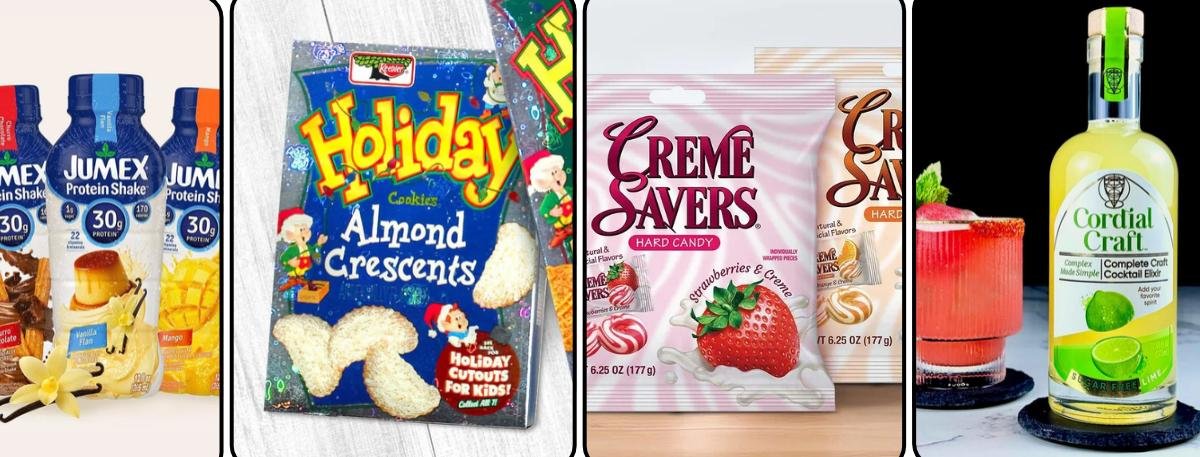

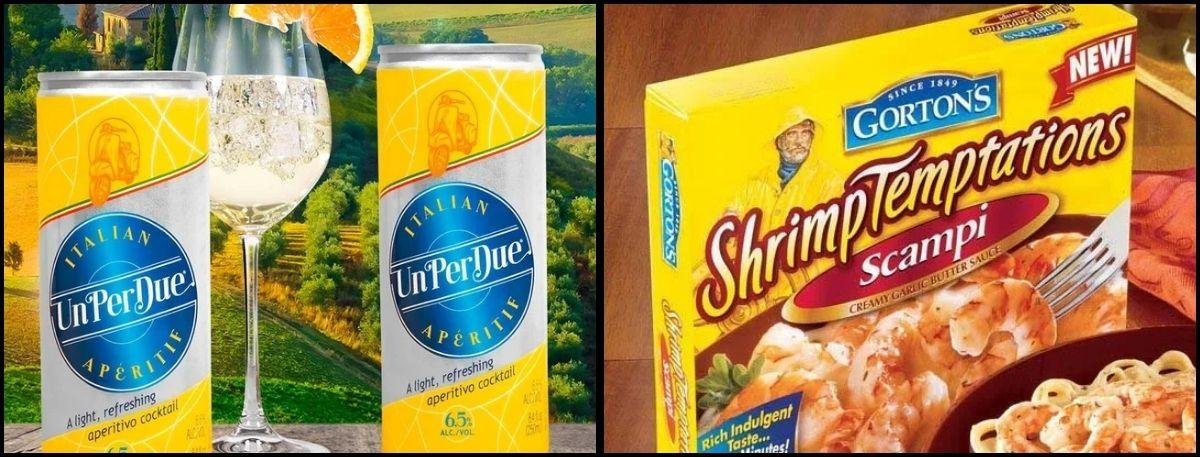
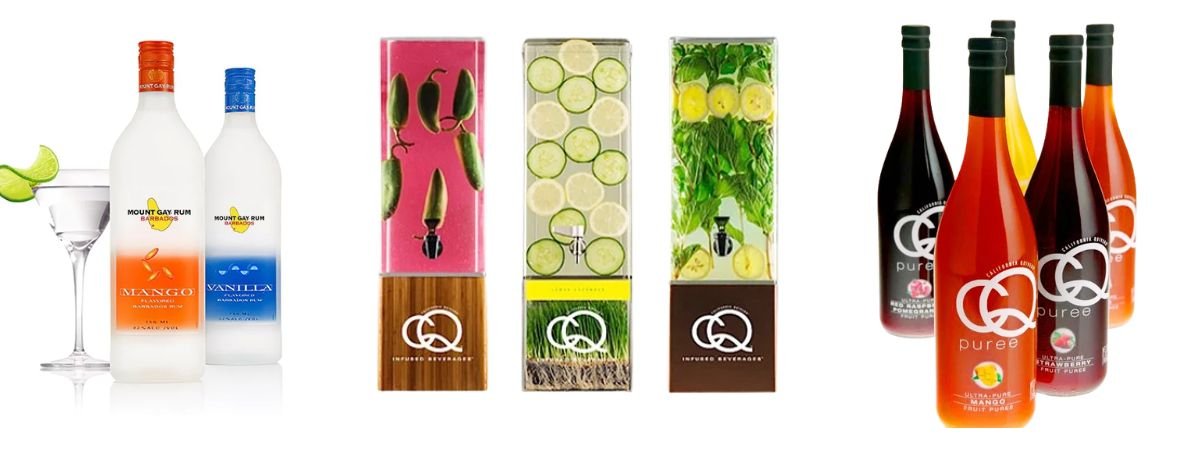
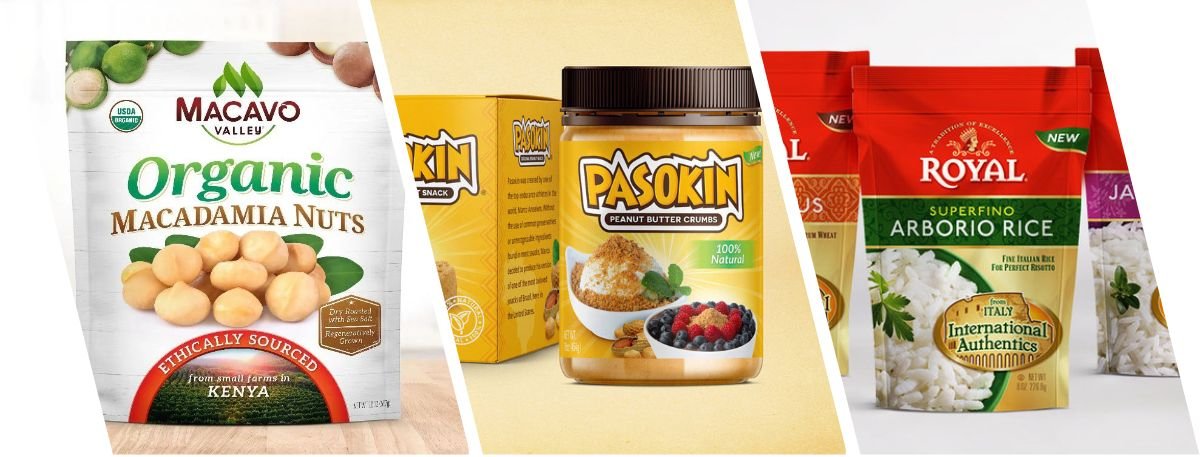
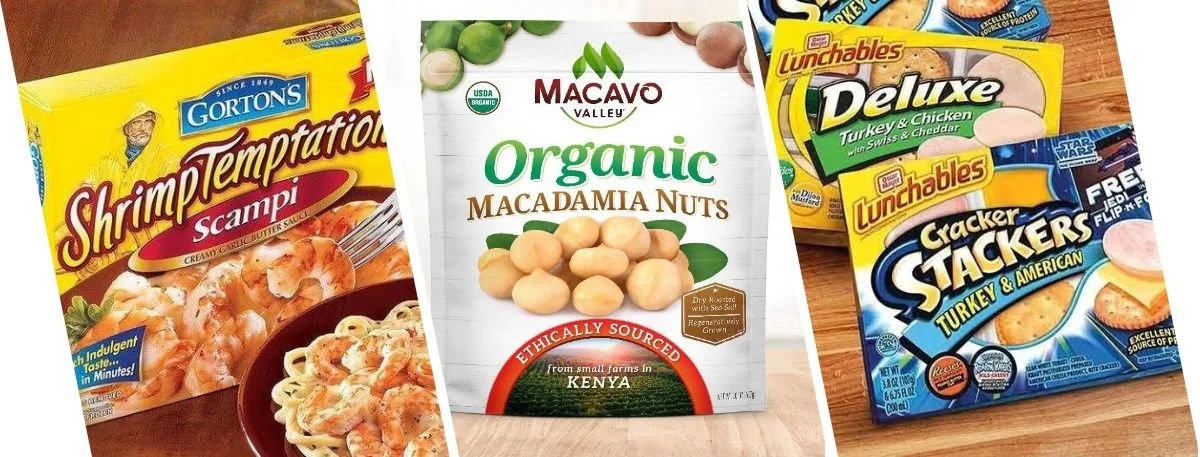
The retail shelf is evolving at a breakneck pace. Getting ready for 2026 means looking way beyond pretty aesthetics and embracing some rather strict regulatory shifts.