
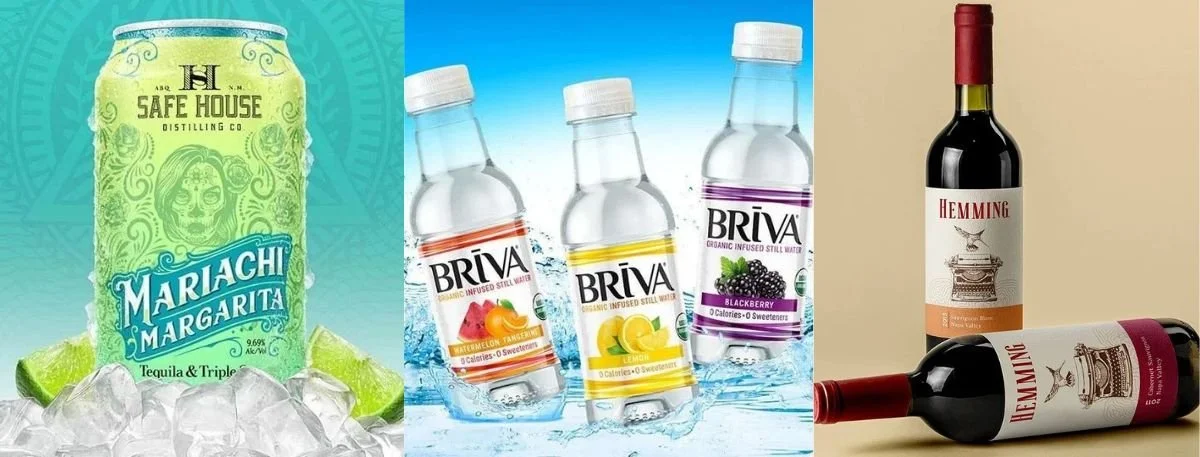
Walk into any grocery store or bottle shop, and the sheer number of products fighting for attention is almost overwhelming. Hundreds of bottles. Seconds to decide. In that environment, your beverage label design is doing most of the heavy lifting- often before a consumer has even consciously registered your brand. A label that works well does not just look polished. It earns trust, communicates value, and quietly nudges someone toward picking it up.
That split-second moment is worth designing for deliberately. In this blog, we cover what actually makes labels perform- from graphic strategy and color decisions to a practical checklist and category-specific insights you can apply right away.
What Makes a High-Converting Beverage Label Design for Retail Shelves?
The honest answer is- more than most brands realize.
Many companies consider labeling as the last process, which should be sorted after the product has been produced. But high-converting labels are the result of decisions made way back, and there is a clear idea of who the buyer is and what they are scanning in a busy aisle.
Here is what consistently moves the needle-
Contrast
If someone cannot read your brand name from three feet away, the design is not working, regardless of how beautiful it looks up close.
Information Hierarchy
Brand name first. Product type second. Everything else after that. Consumers scan in a specific order, and your layout should match that behavior.
Genuine Imagery
Illustrations or photography that feel specific to the brand will always outperform visuals that look borrowed or generic.
Label Finish
Matte, gloss, soft-touch, embossed. These are not just aesthetic choices. They communicate quality before anything is read.
Shape
A die-cut label that breaks from the standard rectangle has an immediate visual advantage in categories where every other product looks the same.
The Role of Beverage Label Graphics in Shelf Visibility
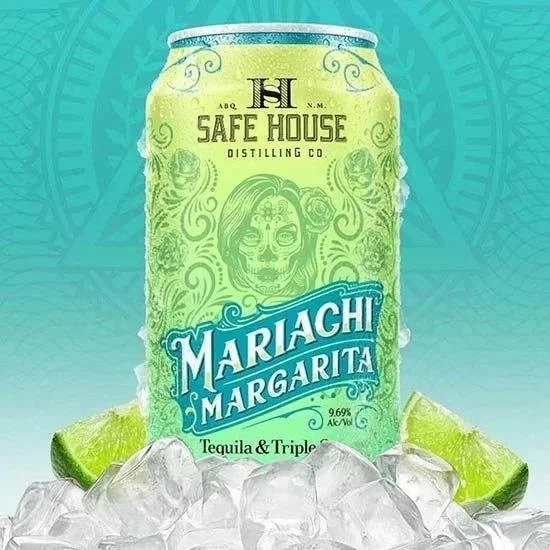
Beverage label graphics carry meaning before a single word gets read. Color creates an emotional response. Illustration style signals personality. Typography sets expectations. Together, they form a visual shorthand that consumers use to decide whether a product is for them- in seconds.
Did You Know? Consumers form a first impression of a product within 7 seconds on shelf, and up to 70% of purchase decisions are made at the precise point of display- making label design one of the highest-ROI investments a brand can make.
A few things worth getting right-
Color Psychology
Blues and greens read as fresh and clean. Deep reds and golds feel premium. Neither is universally correct- the right choice depends on the category and the customer.
Illustration vs. Photography
Hand-drawn styles tend to feel artisan and story-rich. Photography leans towards lifestyle and aspiration. Both can work, but only when the choice is intentional.
Negative Space
Overcrowded labels feel cheap, even when the individual elements are well-designed. Space is not wasted real estate. It is what makes everything else readable.
Logo Visibility
It needs to be prominent. But prominent does not mean oversized to the point where it throws off the rest of the composition.
How to Make Your Beverage Label Design Stand Out in a Crowded Market?
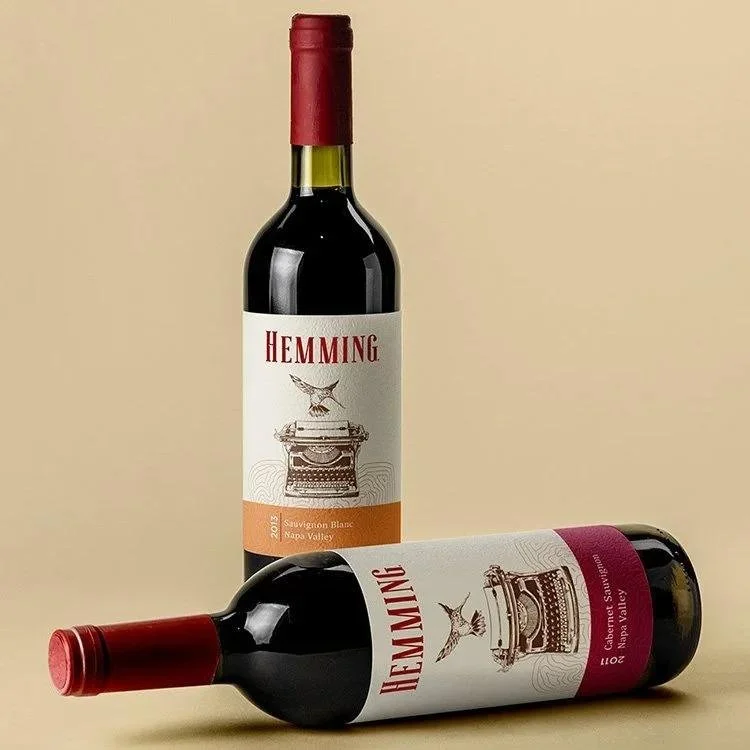
Standing out is not the same as being loud. The brands that consistently perform well on shelf are not necessarily the flashiest- they are the clearest.
Whether the brief is a wine label design for a small-batch vineyard or a beer label design for a craft producer, the underlying challenge is the same: say something that nothing else in that aisle is saying.
A few approaches that actually work-
Study Your Shelf Neighbors First
Before any design decision is finalized, look at what already exists in the category. Identify the visual patterns, then find the gaps.
Lead with What Makes the Product Different
If it is organic, locally sourced, or made with a distinctive process, that needs to be visible at a glance. Not buried in the back label copy.
Build a Consistent Visual System
Across multiple SKUs, the labels should feel like a family. Shared typography, palette, and layout structure build recognition that compounds over time.
Test it in Context
A label that looks strong in isolation can disappear on a real shelf. Mock it up. Put it next to the competition. Gather honest feedback before committing to print.
But here is the part that often gets overlooked- standing out does not mean abandoning category signals entirely. Consumers use visual cues to quickly identify what type of product they are looking at. A wine label that looks nothing like a wine label may create confusion rather than curiosity. The goal is to feel distinct within the category- not outside of it.
Step-by-Step Checklist for Better Beverage Label Design
Before approving any final beverage label design, run through this-
Is the brand name readable from at least three feet away?
Does the layout follow a clear hierarchy- brand, product type, then supporting information?
Is the color palette consistent with the wider brand identity?
Does the label meet all regulatory requirements for the product category?
Has it been reviewed under actual retail lighting conditions?
Is the finish appropriate for the product's price positioning?
Does it photograph well for e-commerce listings and social media?
Is there visual consistency across all SKUs in the line?
Best Packaging Design Practices That Elevate Shelf Presence
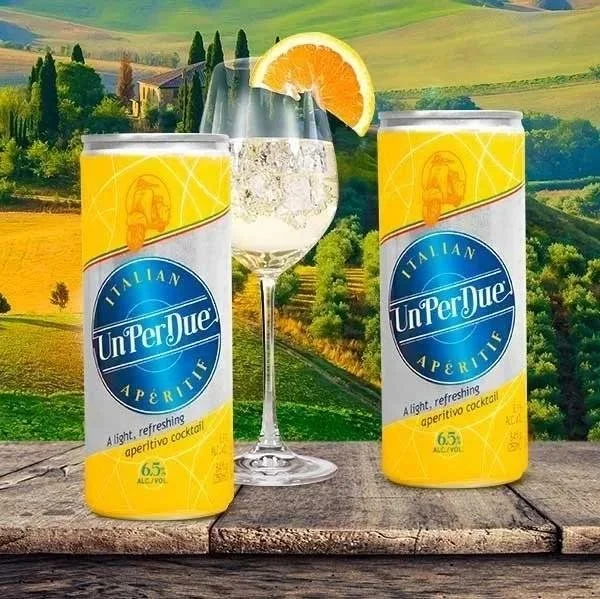
A strong label is only part of the picture. The best packaging design accounts for the full physical experience- bottle shape, closure type, label material, secondary packaging- because all of it shapes how a consumer perceives the product before they buy.
A few practices worth applying-
Align Structure & Graphics
The label should complement the bottle shape. When the two feel disconnected, the design reads as unfinished.
Consider Sustainable Materials
Recycled stock, water-based inks, and reduced packaging are increasingly valued by consumers. When used genuinely, they become a brand asset rather than a box-ticking exercise.
Do Not Compromise on Print Quality
A well-designed label printed poorly is a missed opportunity. Work with vendors who specialize in beverage packaging specifically.
Design for Every Format
The label needs to perform at full bottle size and as a small thumbnail in an online store. If it only works at one scale, it needs another pass.
Key Takeaways
A strong beverage label design builds trust and communicates value within seconds of shelf exposure.
Beverage label graphics function as storytelling tools- not decorative additions.
Always study your shelf competitors before finalizing a design direction.
Consistency across SKUs builds brand recognition that compounds with every product launch.
Packaging decisions beyond the label- bottle shape, finish, and material- all shape perceived value.
Final Words
Shelf visibility is earned. Every element of your beverage label design- color, typography, finish, layout, each element of the design plays a role in whether someone reaches for your product or keeps moving. Brands that approach label design strategically, with a genuine understanding of their audience and shelf environment, consistently outperform those that treat it as an afterthought.
At Lien Design, we build label and packaging design that works as hard as the products they represent. If you are ready to make your brand stand out where it matters most, get in touch with our team and let's get started.
FAQs about Beverage Label Design
What are the key elements of a successful beverage label design?
Clear visual hierarchy, strong color contrast, readable typography, authentic graphics, and a finish that reflects the product's positioning.
What are the latest beverage label design trends in 2026?
Minimalist layouts, hand-drawn illustration, sustainable label materials, bold color blocking, and QR code integration for interactive brand experiences.
How much does professional beverage label design cost?
It varies by scope, but most professional label projects range from a few hundred dollars for a single label to several thousand for a full brand identity and multi-SKU system.
What is the single most important factor in shelf visibility?
Contrast. A label that is legible from a distance, under real retail lighting, will consistently outperform one that prioritizes aesthetics over readability.
How many colors should a beverage label use?
Most effective labels work within two to four colors. A tighter palette strengthens brand identity and improves visual impact in a competitive shelf environment.