
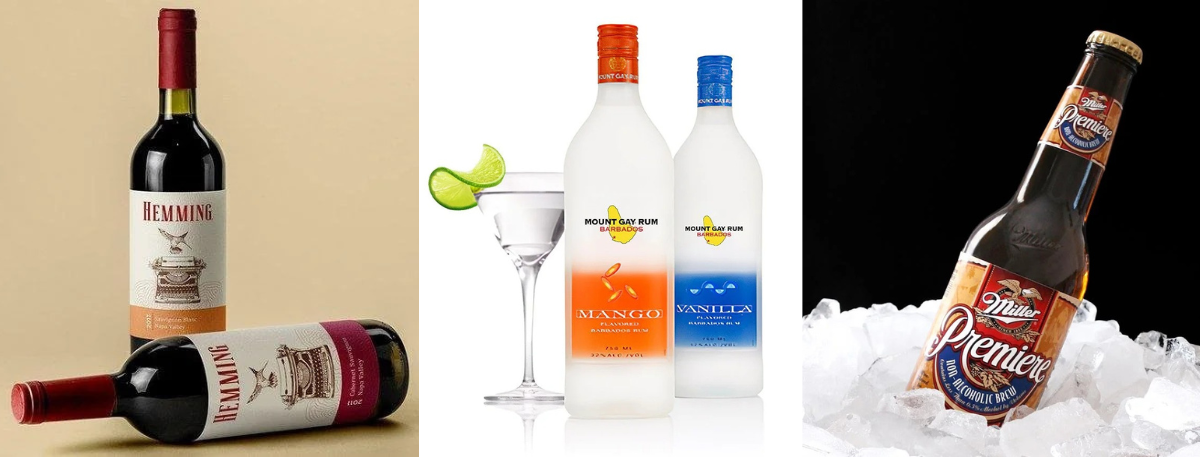
Most people pick up a wine bottle before they have read anything on it. The label pulls them in first- the colors, the texture, the overall feel of it. That moment happens in seconds. And more often than not, it is what decides whether the bottle goes into the cart.
A well-designed wine bottle label is the first real conversation your brand has with a potential customer. Get it right, and it does a significant amount of selling on your behalf. In this blog, we will cover the best label design ideas for 2026, key trends to watch, what separates high-converting labels from forgettable ones, and when bringing in a professional actually makes a difference.
What Makes a Wine Bottle Label Successful in Today's Market?
A label that blends into the shelf beside it is, practically speaking, invisible. The ones that consistently perform tend to combine a strong visual identity, readable typography, and a brand personality that comes through clearly- even at a glance.
What tends to define a successful label-
Instantly recognizable from a distance
Typography that holds up at every size
A visual style that reflects the wine's character and price point
Design that works in retail and online environments equally well
Full compliance with applicable labeling regulations
Why Wine Bottle Label Design Directly Impacts Sales?
Two bottles, same shelf, same price, same variety. One has a polished, considered label. The other looks rushed. Most shoppers reach for the first one without really thinking about why. That is good wine label design doing its job.
Beyond the initial grab, design builds brand trust over time. A cohesive visual identity signals that the people behind the bottle care about quality at every level- not just what is inside it. And in a category as competitive as wine, that signal matters more than most brands give it credit for.
Did You Know? Nearly 82% of wine purchases are made on impulse in-store, with the label being the primary decision driver. That makes design one of the highest-leverage investments a wine brand can make.
Best Wine Bottle Label Design Ideas for 2026
Minimalist & Clean Labels continue to read as premium almost immediately. White space, simple type, a restrained palette- there is a quiet confidence to this approach that resonates strongly in the luxury segment.
Vintage & Storytelling Designs give consumers something to connect with emotionally. People are not just buying wine. They are buying a sense of place, history, and brand character.
Bold & Artistic Labels hand-drawn illustrations, painterly finishes- make a bottle look gallery-worthy. For small-batch and artisan producers, this is one of the stronger shelf-differentiation tools available.
Luxury Finishes like foil stamping, embossing, and textured paper communicate quality through touch before the bottle is even lifted. Print alone cannot replicate that.
Eco-Friendly Designs using sustainable materials and honest branding are resonating with a growing consumer segment. Plus, it gives the brand a values-led story that extends well beyond what is in the glass.
Latest Wine Label Design Trends to Watch in 2026 and Beyond
Latest Wine Packaging and Labeling Trends for High-End Brands
A few directions are gaining real momentum right now-
Smart Labels- QR codes linking to tasting notes or vineyard stories are becoming genuinely useful, not gimmicky
Personalization- Custom and limited-edition labels for gifting and events are opening new revenue channels
Ingredient Transparency- Health-conscious buyers want to know what is in the bottle, and brands leading on this are earning real trust
Digital-first Design- Labels built to perform in social feeds and e-commerce thumbnails, not just on a shelf
What Role Does Packaging & Labeling Play in Wine Branding?
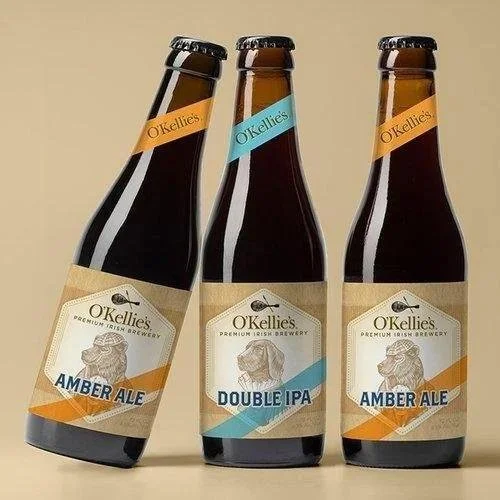
These are terms that are used interchangeably, but they are not identical. Packaging- the physical form- the shape of the bottle, closures, any external covering. Packaging and labeling are collaborating, yet labeling is, in particular, the visual layer of communication of that structure.
When the two are on the same page- when the bottle and the label are as much a part of each other as they seem to be- the outcome is a brand that appears to be thought of and put together. When they fail to do so, something is not right to the consumer, although they may not be able to explain why. The thing is, packaging and labeling inconsistency is one of the quieter brand equity leaks that often goes unaddressed for too long.
How a Professional Wine Label Designer Enhances Your Brand?
Best Wine Label Designer for Luxury and Small-Batch Wineries in 2026
A strong wine label designer brings more than creative ability. The best ones come in with genuine category knowledge- they understand the shelf, know what competitors are doing, and flag compliance issues before they become expensive problems.
What distinguishes professional design from a template-
Market Research First- They look at the shelf before they look at a blank canvas.
Regulatory Knowledge- Compliance is built in from the start, not added as an afterthought.
Production Expertise- They know which finishes suit which budgets and which ones cause print issues.
Brand Alignment- The design reflects where the wine sits commercially, not just what looks appealing.
Hiring a skilled wine label designer is one of the better return-on-investment decisions a wine brand can make.
Key Elements of High-Converting Wine Label Design
Before any label goes to print, run through this checklist-
Typography is legible at a distance and at small print sizes
Color palette matches the emotional tone of the wine and brand
Brand story comes through- in the imagery, the detail, or the structural choices
Compliance text is present without disrupting the visual design
Design is consistent across the full product range
Material and finish reflect the brand's price positioning
The label holds up digitally- on product pages, in ads, and in social content
Every effective wine bottle label should pass this list before production sign-off.
Common Wine Bottle Label Design Mistakes to Avoid
Overcrowded Layouts- Trying to communicate too much on a small surface makes everything harder to read and harder to remember.
Decorative Fonts at Small Sizes- What looks sharp on screen often becomes illegible at label scale.
Skipping Compliance Review- Non-compliant labels are expensive to reprint and can stall distribution entirely.
Looking like Everyone Else- A label that blends into the category without offering anything distinctive is a missed opportunity every single day.
How to Choose the Right Wine Label Designer for Your Brand?
Custom Wine Bottle Label Design Services for Premium Branding
Choosing a design partner is about more than liking their portfolio. A few questions worth asking-
Do they have genuine experience in the wine category, across different price tiers?
Can they demonstrate an understanding of retail shelf behavior and consumer psychology?
Is their process transparent- research, concept, revisions, and final files?
Are they across the labeling compliance requirements in your target markets?
FAQs about Wine Bottle Label Design
What should a wine bottle label include?
Brand name, alcohol content, region of origin, net volume, and any required government health warnings- all within a cohesive visual design.
How does wine label design affect sales?
It creates the critical first impression, signals product quality, and influences purchase decisions- usually within three to five seconds.
Why is packaging and labeling important for wine brands?
It enhances retail visibility, communicates quality, and sets your product apart at every physical and digital touchpoint.
Should I hire a professional wine label designer?
Yes. Professional designers bring strategic thinking, compliance knowledge, and category expertise that templates simply cannot replicate.
What does professional wine label design cost per bottle or collection? Costs range from a few hundred to several thousand dollars, depending on scope, complexity, and the designer's experience level.
How do I ensure my wine bottle labeling meets legal regulations?
Work with a designer who knows your target market's requirements. Resolving compliance before print avoids costly reprints and distribution delays.
Final Words
A strong wine bottle label earns attention, communicates quality, and gives a customer a reason to reach for your product over the one right beside it. The brands that consistently perform on shelf treat label design as a strategic investment- not a final production step.
Whether you are launching something new, refreshing an existing range, or building from scratch, the ideas in this blog are a solid starting point. Ready to make your label work harder? Connect with Lien Design and find out how expert-led design turns your packaging into your most powerful sales asset.