
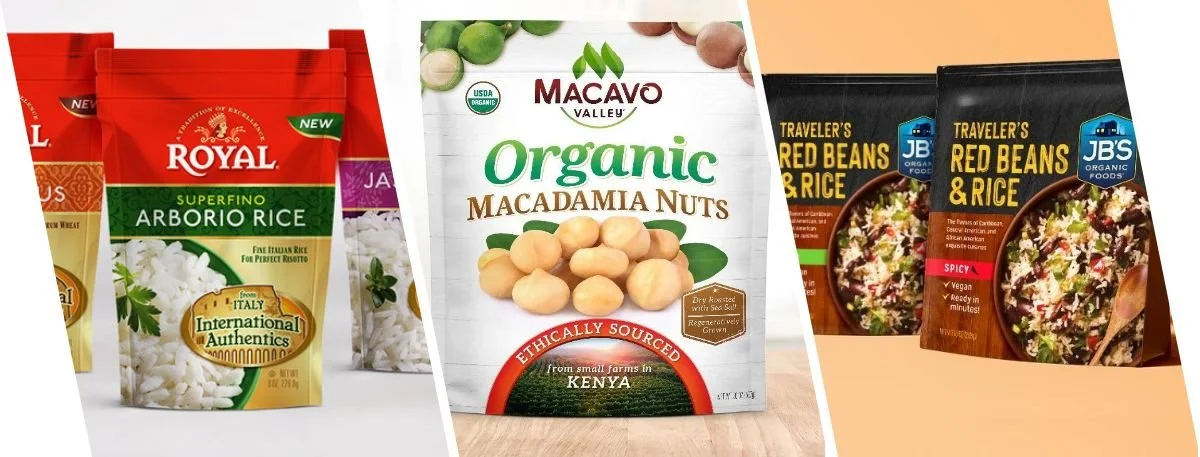
Small food brands often fight an uphill battle. Competing against massive budgets and fighting for the exact same crowded shelf space. But hitting the market with the right Food packaging labels changes the game instantly. It bridges the gap between looking like a weekend hobby and a serious retail contender. A smart label pulls double duty. It builds immediate consumer trust while checking all the regulatory boxes.
The thing is, your package is your hardest-working silent salesperson. It speaks volumes before a customer even tastes the product inside, and getting it right absolutely matters. This blog covers exactly how to build a retail-ready look, understand what details actually drive sales, and find the perfect design partner to help scale a growing brand.
Why Do Food Packaging Labels Make or Break Small Brands?
First impressions happen in a flash. Usually, in the aisle, from three feet away. Before anyone reads the ingredients, they judge the vibe. Does it look safe? Does it look premium? Is it really worth the price tag?
The thing is, food packaging labels do a lot of heavy lifting. They do significantly more than just slap a logo on a pouch or a jar.
They build instant credibility through a clean visual hierarchy.
They grab attention on overly crowded retail shelves.
They validate the purchase with crystal-clear benefits.
They meet strict retailer and regulatory demands.
They keep brand consistency tight across multiple flavors.
Did you know? Shoppers take roughly three to five seconds to judge a product's credibility on the shelf, making label clarity the single biggest factor in getting noticed by new customers.
What Buyers Actually Look For?
Getting noticed is step one. Earning the cart is step two. Retail buyers and consumers are scanning for very specific triggers before making a decision.
A brand name you can read without squinting.
High-contrast typography that pops off the background.
Quick category cues like organic, vegan, or keto-friendly.
Easy-to-find net weights and strict allergen callouts.
A polished finish that screams professional.
Plus, optimizing your visual design directly helps with digital discovery. Integrating a strong small brand packaging strategy alongside custom food packaging for startups into your digital footprint matters immensely for online sales.
How to Create Packaging Labels for Food?
A good label isn't just pretty artwork. It requires strict design discipline combined with legal compliance. Miss the legal details, and buyers reject the product. Make it boring, and shoppers ignore it. Both matter equally.
Here is a retail-ready checklist to follow:
Nail down the positioning completely- Decide if the product is a premium treat, a daily health staple, or a family-friendly snack.
Build a rigid front-of-pack hierarchy- Brand name first. Product type second. Flavor third.
Lock in the mandatory data- This means exact net weight, strict ingredient lists, allergens, and the barcode.
Plan for real-world printing- Test the bleed, color contrast, and font size on physical mockups.
Test the shelf impact- Stand five feet away. See if the core message still cuts through the noise.
And a quick tip. Always design for curved surfaces and moisture if your product goes in a fridge.
How to Design Healthy Food Packaging?
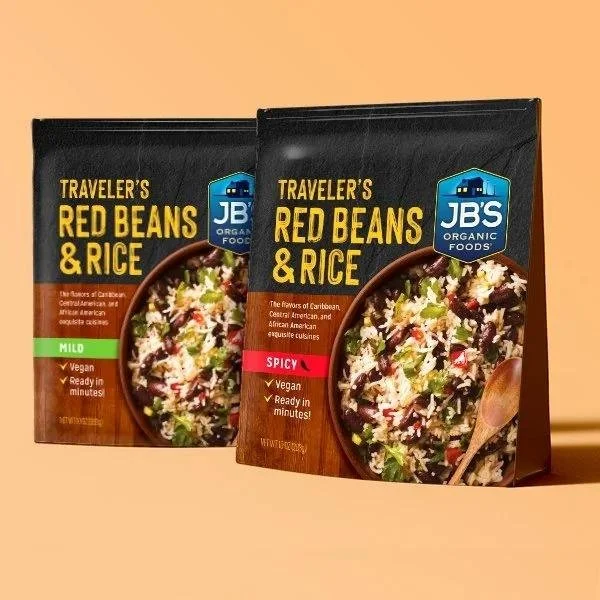
Health-focused products have a tricky line to walk. You want to look clean. But you definitely don't want to look like medicine. Hitting the mark with a healthy food packaging design means looking trustworthy while still making people legitimately hungry.
Read More: Best food packaging design strategies for brand success
Here's how top brands pull it off:
Stick to intentional color palettes. Earth tones and whites imply freshness but need a strong contrast to pop.
Keep health claims completely disciplined. Do not clutter the front with ten different badges.
Push ingredient transparency. Sourcing details should feel incredibly easy to verify.
Maintain massive appetite appeal. Health still needs to look delicious.
Sync up the entire label and packaging design system. Fonts, icons, and messaging must feel like one cohesive thought.
But clarity always wins. A clean, honest label crushes an over-designed one every single time. And that applies to both physical shelves and digital storefronts relying on retail-ready food label design search habits. It even extends to highly competitive niches like healthy snack packaging design.
How To Choose a Food Packaging Design Agency?
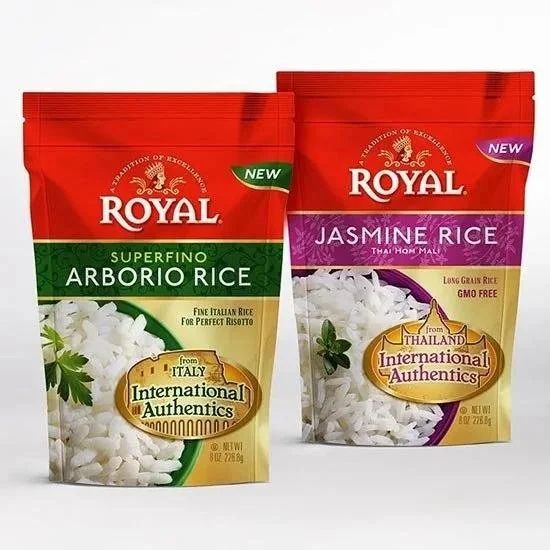
Not every graphic designer gets the food industry. It is a wildly different beast. A solid food packaging design agency understands commercial strategy, FDA rules, and print limitations.
Look for these specific traits when hiring:
Deep category experience with consumer packaged goods.
A portfolio packed with actual physical products, not just digital concepts.
A firm grip on creating an FDA-compliant food label layout.
The skill to build a scalable system for future flavors.
Real strategic insight into how retail buyers think.
Here's why that matters. The right partner saves you from expensive printing mistakes and delayed retail launches.
Looking Bigger Than You Actually Are
A highly polished design system completely changes market perception. It makes a tiny startup look like a massive national player. Retailers absolutely love seeing operational maturity.
These small details elevate your brand fast:
Flawless font consistency across every single SKU.
A predictable, easy-to-read flavor architecture.
Premium material choices, like matte finishes or spot gloss.
Perfectly aligned compliance data on the back panel.
The thing is, Food packaging labels are serious growth assets. They directly impact buyer confidence and dictate market entry potential.
Mistakes That Kill Shelf Momentum
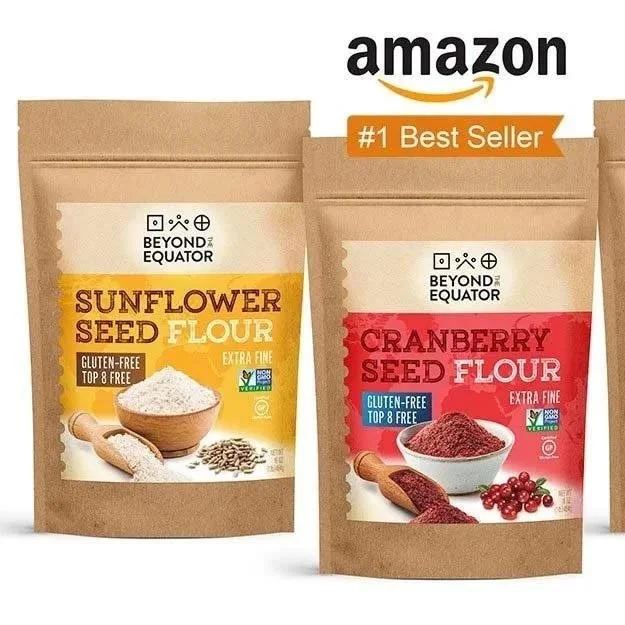
Even a great recipe fails if the outside looks completely amateur. Avoiding basic errors keeps the momentum alive.
Watch out for these common traps:
Using way too many fonts on one surface.
Screaming benefits so loudly that the brand name gets lost.
Tiny text that requires a magnifying glass to read.
Zero white space.
A visual vibe that completely misses the target demographic.
Amateur Food packaging labels completely kill momentum. Restraint is powerful. Less clutter always means more impact.
Key Takeaways
A premium label instantly makes a small brand look established and ready for retail shelves.
Beautiful artwork must always pair perfectly with strict regulatory compliance to avoid costly launch delays.
Health food packaging needs to balance clean, trustworthy aesthetics with strong appetite appeal.
Hiring a specialized agency prevents painful printing errors and ensures scalable future growth.
Smart design choices function as a silent salesperson that actively drives consumer trust and sales.
Final Words
For small operations, Food packaging labels are never just an afterthought. They act as a foundational business tool that dictates shelf impact, shopper trust, and ultimate retail success. When you build a system that is compliant, strategic, and stunning in the real world, your brand commands attention.
Ready to make your product impossible to ignore? Lien Design turns early-stage concepts into powerful, retail-ready packaging that drives real sales.
FAQs about Food Packaging Labels
What is food packaging design?
It is the strategic process of creating product visuals that drive sales, ensure compliance, and build brand trust.
What should be on a food label?
You need the product name, net weight, ingredient list, allergen warnings, and manufacturer details.
How to create packaging labels for food that stand out?
Use high contrast, highly readable fonts, and a clear visual hierarchy that highlights your strongest selling point.
Does a small brand need a professional agency?
Yes, because an agency understands the strict compliance, hierarchy, and print standards that retailers demand.
What makes a label look premium?
Restraint, consistent typography, negative space, and high-quality physical printing materials create a premium feel.