
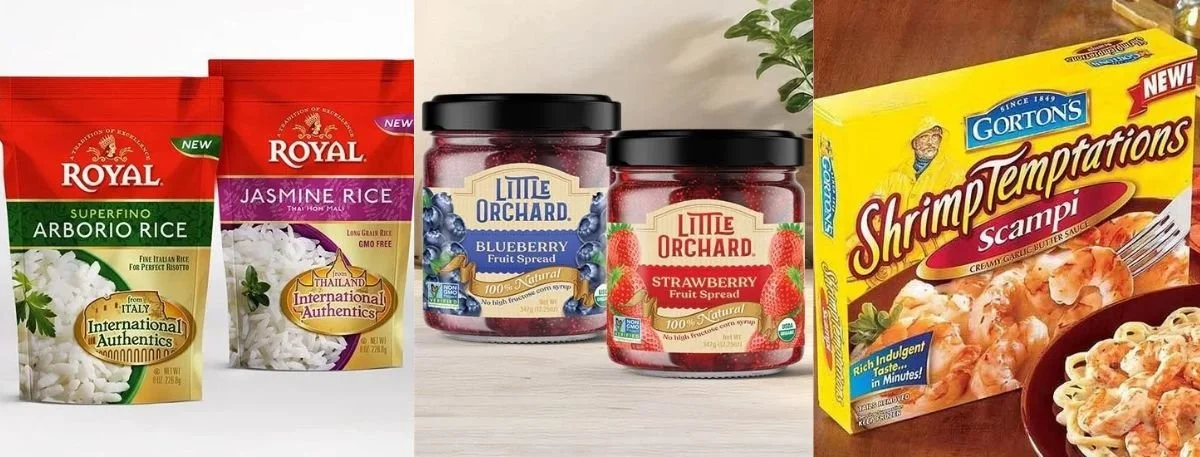
Across retail shelves and grocery apps, strong food packaging design often decides which product gets noticed first. Shoppers move quickly, compare options in seconds and rely on visual signals before reading details. Packaging, therefore, does far more than hold a product - it shapes first impressions, signals quality and influences purchase decisions at speed.
Successful packs strike a balance between visual appeal and practical function. A good design attracts attention, protects freshness and communicates value without confusion. Brands focused on healthy food packaging design have an even greater opportunity here as modern buyers actively look for cues around ingredients, nutrition, convenience and sustainability.
Why Food Packaging Design Shapes Buyer Decisions
First Impressions Carry Real Commercial Value
Busy consumers rarely pause to evaluate every item in detail. Most purchase decisions begin with quick visual judgment. Color, typography, pack shape and layout all work together to create that first reaction. Effective food packaging design helps a product stand out while still feeling appropriate for its category.
Strong packaging usually does three things well:
It grabs attention without appearing chaotic.
It makes the product easy to identify at a glance.
It creates a clear emotional cue - premium, wholesome, playful or practical.
That is often where strategic packaging design performs better than average packaging. It does not simply look attractive; it gives the buyer an immediate reason to stop and consider the product.
Trust Begins on The Pack
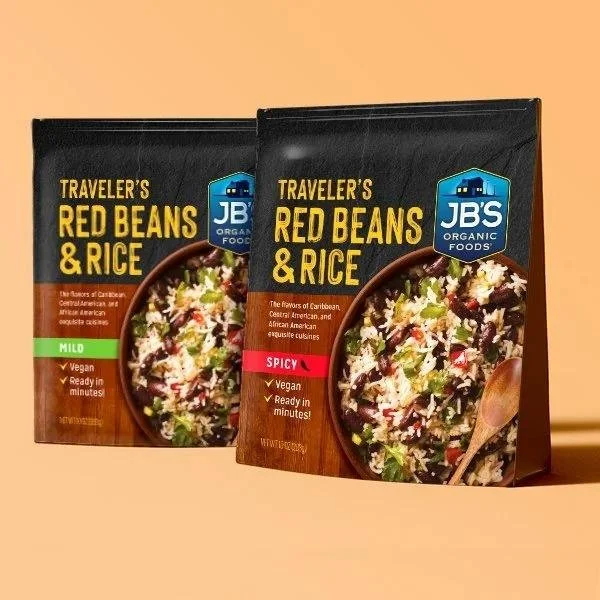
Once attention is won, credibility becomes the next task. Clear claims, readable layouts and polished presentation make a product feel more reliable. Good food packaging labels help customers locate essential information quickly while a thoughtful food label design reduces doubt and confusion.
Products that appear cluttered or vague can lose interest even before the first trial.
Did You Know - Research in consumer behavior has repeatedly shown that shoppers often form an opinion about packaging in just a few seconds — sometimes before consciously reading the product name.
Core Principles Behind the Best Packaging Design
Visual Hierarchy Matters More Than Decoration
A packaging design should guide the eye naturally. Brand name, product type, flavor and main benefit need to appear in the right order. Overloaded front panels make shoppers work harder than they should.
A stronger pack usually includes:
One primary message on the front.
Clear typography with strong contrast.
Appetite-driven imagery or illustration.
Consistent colors across product variants.
Smaller brands can benefit significantly from that discipline. In fact, custom food packaging design for small business brands often performs better when the layout is simple, focused and easy to remember.
Function, Convenience and Shelf-Readiness Must Work Together
Beautiful packaging has limited value if the product arrives damaged or feels inconvenient to use. Resealable pouches, easy-open formats, sturdy structures and practical portion sizes improve the user experience and support repeat purchases. Buyers notice such details - even if they never describe them directly.
A smart package design agency treats packaging as both a branding asset and a functional tool. Material choices, pack dimensions, portability and storage efficiency all matter. Fresh products may need visibility and barrier protection while dry foods may need crush resistance and longer shelf life.
Clear Labeling Supports Both Trust and Conversion
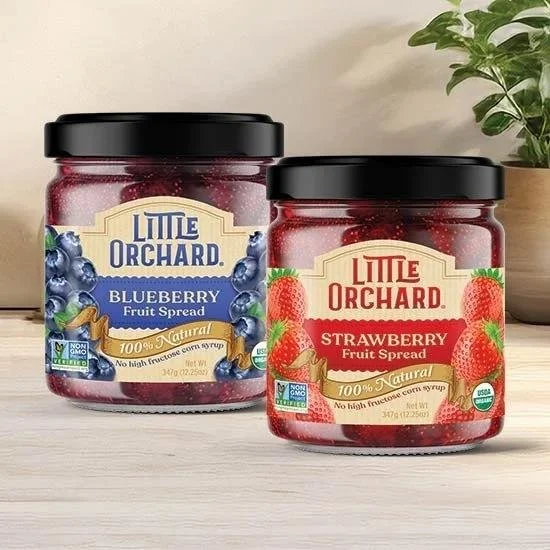
Clean food packaging labels do not merely satisfy regulations. They also help buyers make decisions faster. Ingredient lists, allergen details, storage instructions and nutritional highlights should be easy to find and easy to read.
Strong food label design turns necessary information into a buying advantage rather than visual clutter.
The New Edge - Food Packaging Design for Omnichannel Growth
Packaging now has to succeed in more than one environment. A product may appear on a supermarket shelf, in a delivery app thumbnail, inside a social media reel and later at a customer’s doorstep. Modern food packaging design must perform across all those moments.
Design priorities shaping food packaging design trends 2026 include:
Bolder product names for mobile visibility.
Cleaner front panels that read well on small screens.
Distinctive color blocking for faster recognition.
Tougher outer packaging for delivery and transit.
Digital commerce adds another layer. eCommerce food packaging design has to look sharp online and still protect the product during shipping. A dented carton, leaking pouch or poorly printed label can hurt reviews and discourage repeat orders.
Brands exploring sustainable food packaging design ideas also need to think beyond materials alone. Lightweight packs that travel efficiently and reduce shipping waste can offer both operational and brand value.
An experienced package design agency will usually account for these realities early in the process which helps avoid expensive adjustments later.
Conclusion
High-performing food packaging design brings together strategy, usability and brand expression in one visible asset. Strong packs attract attention, communicate product value clearly and support the full buying journey — from shelf discovery to online reorder. Brands that invest in smart structure, clear labeling and omnichannel readiness often gain a sharper edge in crowded categories.
Companies looking for a creative package design agency that understands market positioning, usability and visual impact can explore what Lien Design offers.
Ready to turn your packaging into a true sales driver — not just a container? Connect with Lien Design today and build a brand presence buyers remember.
FAQs
1) What is food packaging design?
Food packaging design is the process of creating packaging that protects food, communicates product details and attracts buyers at the point of sale.
2) Why is food label design important?
Good food label design makes ingredients, nutrition, allergens and usage details easier to understand which builds trust and speeds up buying decisions.
3) What makes the best packaging design for food products?
The best packaging design combines visual appeal, product protection, convenience and clear communication in a format suited to the target audience.
4) How does healthy food packaging design influence sales?
Healthy food packaging design can increase interest by highlighting freshness, clean ingredients and wellness-focused benefits in a clear, credible way.
5) Should a food brand hire a package design agency?
A specialized package design agency can help improve branding, packaging structure, label clarity and retail performance across both stores and digital channels.
Key Takeaways
Strong food packaging design helps products get noticed faster across retail shelves and online grocery platforms.
Good packaging does more than look attractive. It builds trust through clear labels, readable claims, and a polished brand presentation.
A strong front-panel layout should highlight the brand name, product type, flavour, and main benefit without making the pack feel crowded.
Practical features like resealable packs, easy-open formats, sturdy materials, and proper portion sizing can improve the customer experience and support repeat purchases.
Modern packaging must work across shelves, delivery apps, social media, eCommerce listings, and doorstep delivery.
Brands that invest in clear food labels, sustainable packaging ideas, and omnichannel-ready design can create stronger buyer confidence and long-term brand recall.