
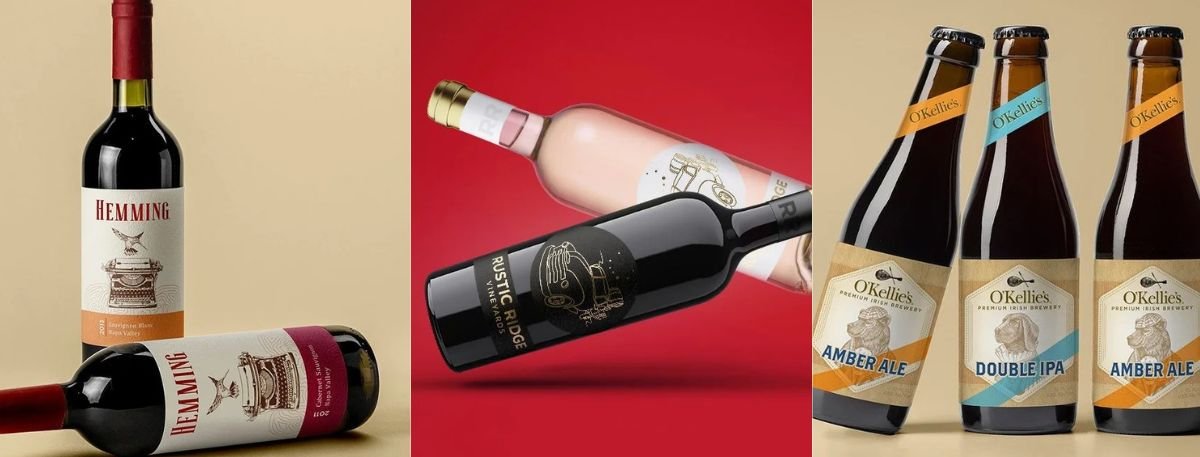
A wine bottle gets roughly three seconds on a shelf. Three seconds to catch an eye, earn a second glance, and make someone reach for it instead of the bottle next to it. Wine label design carries that entire burden- silently, instantly, before a single word is consciously processed. It is not decoration. It is the brand speaking out loud in a room where it cannot use words.
For wineries competing in a market that adds thousands of new labels every year, that silence is expensive if it is wasted. The label is the first handshake- and often the only one a brand gets before a shopper moves on. This blog covers what makes a wine label genuinely work: the core design elements, what the law requires, where the industry is heading in 2026, and a practical checklist for building a label that actually tells a story worth hearing.
What Makes Wine Label Design Work?
There is a version of this answer that sounds like a design school lecture. But stripped down, great wine label design comes down to three things- clarity, creativity, and consistency. None of them is optional.
Clarity- The wine's name, type, and origin need to land immediately. If a shopper has to work for it, the label has already lost them.
Creativity- Differentiation is not a nice-to-have on a crowded shelf. A forgettable label is a commercial liability, full stop.
Consistency- The label needs to feel like the rest of the brand. Same tone, same energy, same visual instincts. A label that looks like it belongs to a different company is a trust problem.
Did You Know? Research suggests consumers spend just 3 to 7 seconds scanning a wine label before making a decision. That is less time than it takes to read this sentence twice.
Key Elements of Beverage Label Design
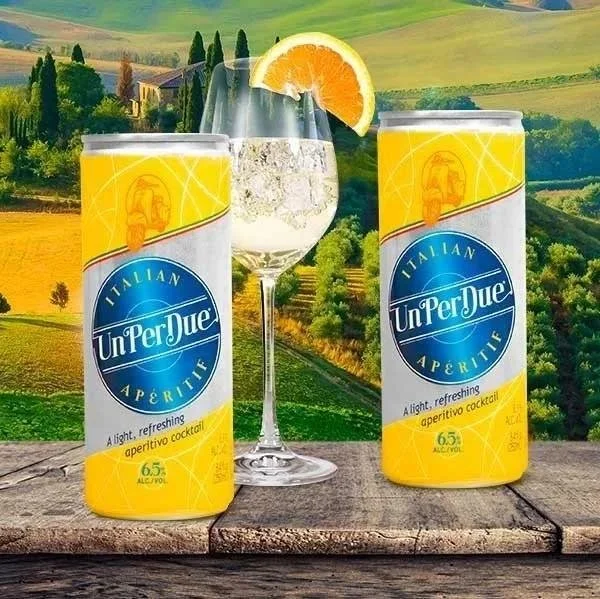
Before trends or finishes or fonts enter the conversation, the fundamentals need to be solid. Strong beverage label design is built on elements that work together- not independently.
Typography- Serif fonts carry tradition and craft. Sans-serif reads as clean and direct. Neither is a wrong choice, but both send a clear message- and that message should be intentional.
Color palette- Color does something logic cannot- it shapes perception before a single word registers. It influences how a wine is expected to taste, feel, and cost before the bottle is even picked up.
Imagery & illustration- Custom artwork tells a story that stock visuals cannot fake. It signals that someone thought carefully about this- because they did.
Material & finish- Textured paper, foil stamping, embossing- these give a label a physical presence that no screen-based mockup can fully capture. The feel of a label matters.
Brand hierarchy- The eye needs a clear path. Brand name, varietal, producer details- the layout should guide that journey without the shopper noticing it is happening.
Legal Requirements for Wine Bottle Labels
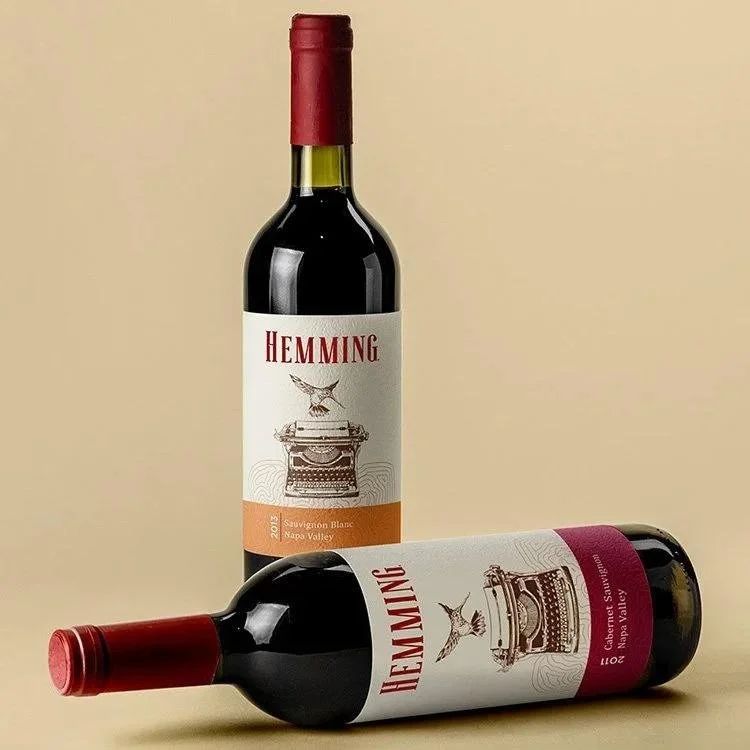
Creativity has a compliance partner, and they are non-negotiable. Every wine bottle label sold in the United States must meet requirements set by the Alcohol and Tobacco Tax and Trade Bureau (TTB). The mandatory disclosures include-
• Brand name
• Class and type designation (e.g., "Red Table Wine")
• Appellation of origin
• Alcohol content by volume
• Net contents
• Government health warning statement
• Name and address of the bottler or importer
How to Create Custom Wine Bottle Labels: A Step-by-Step Checklist
How to create custom wine bottle labels is one of the most Googled questions by wineries entering a new category or refreshing a product that has gone stale. The process, when done properly, looks something like this-
Step 1- Define Your Brand Identity
Know the story, the values, and exactly who this wine is for before anything visual is considered. The label reflects the brand, not just the bottle it is printed on.
Step 2- Research the Market
Study what competitors are doing. Find where there is genuine room to stand out without looking like an outlier in the category.
Step 3- Choose the Right Label Format
Front label, back label, neck label- or a deliberate combination. Each has a job to do and deserves intentional thinking, not default decisions.
Step 4- Partner with a Professional Studio
Packaging and labeling at this level is not a generalist job. A studio that understands brand strategy and print production in equal measure will always outperform one that only knows one of the two.
Step 5- Lock In Print Specifications Early
Material, finish, and print method need to be decided before the design is finalized- not retrofitted after the fact. These choices shape what is visually achievable.
Step 6- Ensure Regulatory Compliance
TTB requirements go into the brief from the start. Not the final review. The start.
Step 7- Prototype on the Actual Bottle
Print physical samples. Evaluate them on the actual bottle, under different lighting conditions, in real hands. A label that looks clean on a screen can look entirely different in a wine shop.
Wine Label Design Trends for 2026
Wine label design trends for 2026 point toward one overarching shift: consumers want labels that feel real. The era of surface-level polish is losing ground to something more honest. Here is what is gaining traction-
Purposeful Minimalism- One strong focal element. Restraint is used as a deliberate strategy rather than a budget decision.
Sustainable Materials- Recycled paper, water-based inks, biodegradable finishes. These are increasingly consumer expectations- not brand differentiators.
Hand-crafted Illustration- Watercolors, botanical motifs, pen-and-ink artwork. These signals artisanal intent in a way that clean digital design often struggles to replicate.
Tactile Finishes- Soft-touch coatings, embossing, debossing. A label should reward the hand before the eye has even finished its job.
Narrative Back Labels- The back of the bottle has quietly become some of the most valuable brand real estate in the category. Brands using it to tell a real story are building something advertising cannot easily manufacture.
How Packaging and Labeling Drive Wine Sales?
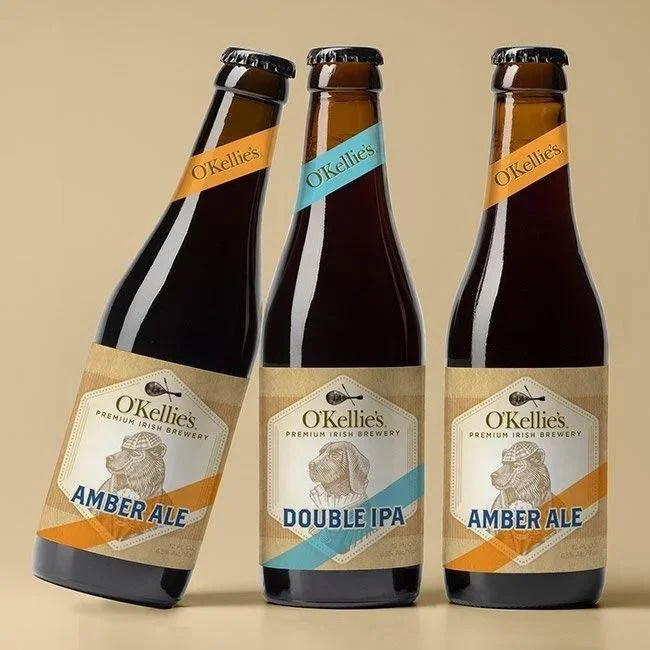
How does packaging affect wine sales? Significantly. But the mechanics are worth understanding.
Strong packaging and labeling raise perceived value- sometimes well beyond what the price point would otherwise suggest. A premium finish makes a $20 bottle feel like a $35 experience.
Plus, a visually striking wine bottle label travels. It gets photographed at dinner tables, shared on social media, and referenced in reviews. That organic reach has commercial value that extends well beyond the retail shelf- and it compounds from the original design investment outward.
Key Takeaways
Wine label design is one of the most powerful and chronically underutilized marketing tools a winery has access to.
Legal compliance and strong creative work are not in conflict- a skilled designer makes both feel inevitable.
2026 trends favor authenticity, sustainability, and tactile finishes over polish for its own sake.
Every label element- type, color, material, finish- communicates brand value, whether that communication is intentional or not.
A well-executed label turns a shelf browser into a buyer, and a buyer into someone who comes back.
Final Words
A bottle of wine tells a story before it is ever opened. The wine label design is where that story either begins with confidence or stumbles at the first line. From typography to tactile finish, from illustration to regulatory compliance, every decision on that label is a brand decision. It deserves the same strategic weight as any other marketing investment a winery makes.
For wineries and beverage brands ready to do something genuinely memorable with their shelf presence, Lien Design brings expert label and packaging design rooted in strategy and elevated by craft. Reach out today and give your bottle the brand identity it has earned.
FAQs about Wine Label Design
How long does it take to design a custom wine label?
A professional design process typically runs four to eight weeks from initial brief through to final print-ready artwork.
What file formats are required for wine label printing?
Print-ready files are generally supplied as vector formats- AI or PDF- complete with bleed and crop marks included.
Can a wine label be refreshed without a full rebrand?
Yes- a targeted label update can modernize a look while preserving core brand equity like color and typography.
Are legal requirements different for imported wines sold in the US?
Yes- imported wines must meet TTB standards and display the importer's name and address alongside all standard disclosures.
How does label material affect the final design?
Material determines texture, color vibrancy, and available finish options- which is why it needs to be decided early in the process, not at the end.