
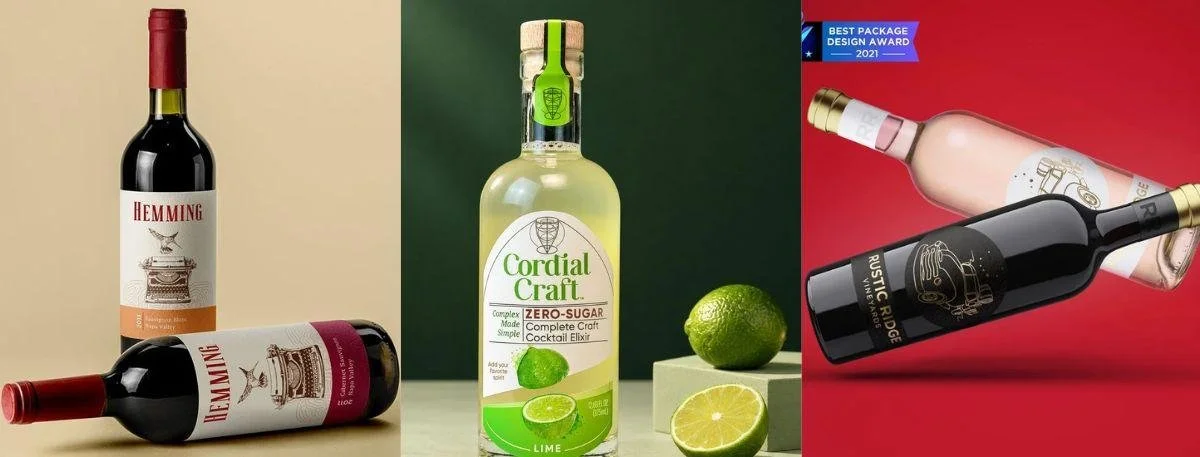
Walk into any liquor aisle on a Friday evening and watch how fast customers skim through a beverage label. Most buyers decide in under ten seconds and tap quicker inside delivery apps. Lighter pours, stricter waste rules and tighter wallets put heavy pressure on alcohol packaging design. Independent brewers, estate vintners and distillery crews will all hit one hurdle heading into 2027 — getting picked up without looking cheap.
Quick Answer: What Are the Top Alcohol Packaging Design Trends For 2027?
Drink makers in 2027 are swapping thick bottles for lighter glass, single-material cartons and raw uncoated paper. Phone-readable lettering, NFC tags, cleaner heritage layouts and wellness-style cans now win store shelves and delivery-app clicks.
7 Alcohol Packaging Design Trends Shaping Retail Shelves in 2027
1. Material-First Sustainability and Lighter Vessels
Thick glass used to feel expensive. Ask a regional distributor today and a two-pound wine bottle mostly looks like wasted fuel and bruised freight margins:
Paper barrier bottles and bag-in-tube wine packs drop shipping weight sharply.
Everyday wines settle below 420 grams as newer ovens keep thinner sidewalls tough on fast fillers.
Mono-material paperboard cartons sealed with water-based glue replace laminated sleeves making curbside sorting simple.
Did You Know: Making and hauling glass can drive up to 65% of a wine bottle’s carbon footprint?
2. Tactile Restraint Over Visual Noise
Crowded gold borders and heavy gloss look stale very quickly. Loud gold scrolls and heavy coating layers are losing ground to quiet physical cues. Uncoated cotton stock, crisp blind debossing, and matte varnishes reward a shopper's hand the moment a bottle leaves the shelf. Stamping foil over half the front panel is a common practice to inflate the print quote.
3. Connected Bottles That Actually Earn a Scan
Packaging no longer ends the brand experience at checkout. Embedded NFC chips and sleek 2D barcodes turn bottles into digital touchpoints — linking drinkers to harvest logs, cocktail ratios and cellar notes. For rare aged spirits, encrypted smart seals also deter counterfeiting across secondary collector markets.
4. Thumbnail-First Typography for Mobile Commerce
Quick delivery apps compress a full 750ml bottle down to a 200px thumbnail. The thin cursive becomes a gray smear. Good alcohol packaging design has to work in the dim light of a cocktail bar and on a cramped phone grid:
Squat, high contrast wordmarks clear of busy frames hold up mid-scroll.
Vivid color blocks — cobalt, baked clay, sharp lime — split flavors well ahead of tiny tasting copies.
Front panels drop the spare adjectives and leave one very distinct mark.
Shrink proof art to two inches wide to catch legibility problems before press checks.
5. Small-Batch Collectibles That Generate Consumer Interest
Scarcity clears stock faster than simply reducing the price off the shelf tag. Numbered neck collars and seasonal art drops turn the standard bottle into a gift that the buyer will actually keep. Rigid presentation boxes, stamped metal tins and latched wood crates end up containing bar tools, coasters or recipe cards at home.
Holiday runs that are tied in with local festivals provide a fresh chase every year. Any outer pack that doesn't go in the recycling bin keeps your name in a living room all winter.
6. Modern Heritage Backed by Hard Specs
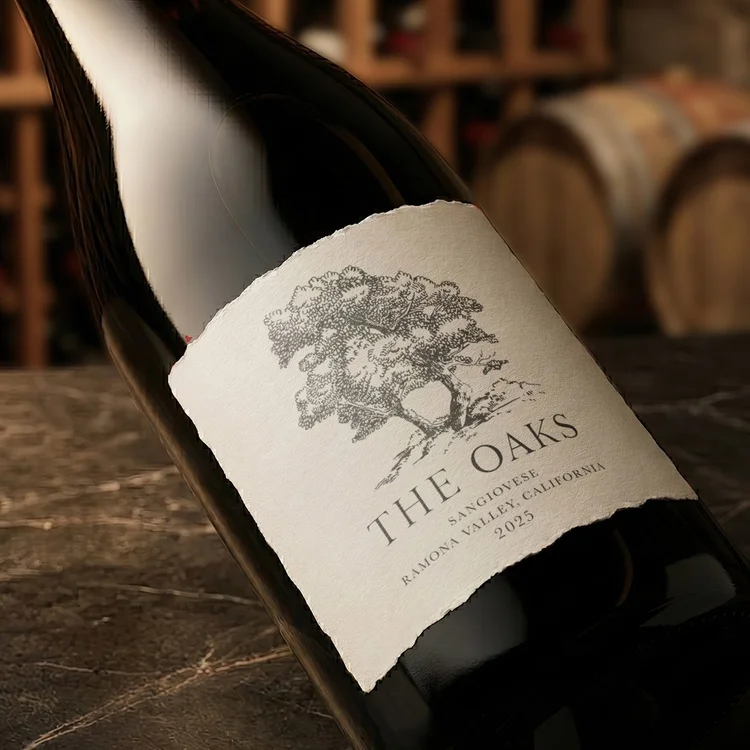
Drinkers love the real story behind the product, just not the story that's hidden behind a veil of dusty Victorian flourishes. Both the older distilleries and the newer grain-to-glass operations are in the process of stripping back the old crests and moving into a more modern, apothecary-style aesthetic with a lot more real white space.
The label design is very much about clean, unadorned information and the key production details are all up front: mash ratios, county grain source, yeast strain and finishing wood are all printed where the eye lands.
There's been a real shift in consumer attitudes and they've become quite sceptical of the 'barrel poetry' that used to be the norm. The plain facts about the product will get you trust much more quickly than three paragraphs of romanticised filler.
7. Canned Cocktails and Low-ABV Borrowing Wellness Cues
Zero proof botanicals, spritzes and low ABV cans are fighting for the cooler door right alongside the sparkling tonics and craft sodas. You've got loose plant sketches, sun faded colour and a very slim aluminium which all speak of crisp refreshment and easy patio pouring.
The multi pack boxes are going the other way completely with dark, moody ink giving way to airy daytime art which is exactly the sort of thing you'd expect to see next to picnic food.
Mainstream beer label design is also moving in the direction of lighter palettes and more direct flavour call outs as well, obviously aiming at the moderation minded shopper who still wants some character in the glass.
How Do 2027 Visual Shifts Differ Across Wine, Whiskey, and Beer?
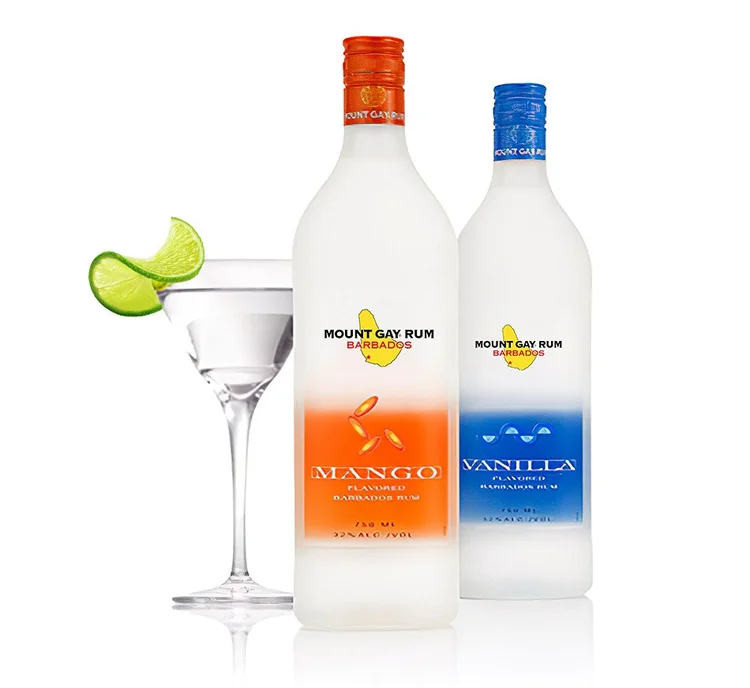
Pushing one playbook across every aisle is a quick flop. Shoppers browse a wine wall in a completely different way to the way they grab a cold can on a Friday night. Grounded alcohol packaging design has to be designed around actual buying behaviour.
Younger wine crowds walk right past dense classification jargon. Hiring a focused wine label designer helps estates mix raw cotton stock, minimal foil and honest farming notes into warm wine label design without looking cheap.
Dim back bars punish timid layouts. Solid whiskey label design leans on bottle heft and chunky age numbers spotted across ten feet of bar rail.
Cold-box beer plays a three-second speed game through fogged doors. Lively beer label design counts on sharp illustration, plain style bands — IPA, pilsner, sour and multi-packs doing billboard duty.
What Compliance, Cold-Chain, and Cost Realities Do Brands Often Overlook?
Slick renders win boardrooms — bottling lines expose shortcuts before lunch. Ahead of signing off 2027 print files, drink makers need to sort three dull operational realities.
Strict digital e-label rules - European rules block wineries from slipping logos, shop buttons or promo links onto mandatory QR nutrition pages. Keep legal ingredient tables plain and route tasting stories through a separate scan.
Ice-bucket meltdowns hit quicker than printers admit. Uncoated cotton and water-based glue look crisp dry then bubble, curl or turn dingy gray after twenty minutes in slush — dunk labeled test bottles in ice ahead of printing full runs.
Custom glass tooling burns cash fast. Proprietary molds carry steep steel fees and big minimums. Pairing stock lightweight glass with sharp die-cuts, deep debossing or distinctive wooden stoppers frequently buys equal pull at lower risk.
Key Takeaways
Sustainable alcohol packaging design will lead in 2027, with lightweight glass, recyclable cartons and reduced packaging materials helping brands lower shipping costs and environmental impact.
Minimalist labels and tactile finishes will replace excessive decoration, as uncoated paper, subtle embossing and clean typography create a premium look without unnecessary printing costs.
Smart packaging technology will become more useful, with NFC tags and QR codes giving customers access to product details, cocktail recipes, production stories and authenticity checks.
Bold typography and mobile-friendly designs will help alcohol brands stand out on crowded retail shelves and shopping apps, where clear lettering, strong colours and simple layouts attract attention quickly.
Limited-edition packaging and modern heritage designs will help wine, whiskey and beer brands build stronger customer connections through collectible artwork, authentic storytelling and transparent production details.
Low-ABV beverages and canned cocktails will increasingly adopt fresh colours, botanical illustrations and wellness-inspired packaging, while brands must also consider labelling regulations, material durability and production costs.
Ready to Turn 2027 Packaging Shifts Into Real Shelf Pull?
Good liquid deserves better than an afterthought wrapper. Going into 2027, effective alcohol packaging design joins lighter vessels, quiet touch, phone clarity and press-tested materials — skipping loud gimmicks for bottles shoppers actually reach out and grab.
Alcohol brands seeking senior creative direction rooted in retail buyer habits can work with Lien Design. Led by Art Director Tom H. Lien, the San Diego boutique studio brings twenty-plus years of hands-on branding and structural packaging work to first launches and heritage overhauls.
Want a bottle or can shoppers not walk past? Connect with Lien Design today and build packaging made to move!
Frequently Asked Questions (FAQs) About 2027 Packaging Trends
1) What drives the biggest shift in alcohol packaging design for 2027?
Honest weight reduction leads, producers pick sub-420-gram glass, paper barrier bottles and mono-material cartons cutting freight mass while keeping shelf presence intact.
2) Why does thumbnail-first lettering matter so much on bottles now?
Delivery apps squash tall bottles into tiny phone tiles. Squat condensed wordmarks and distinct color blocks let shoppers spot flavors mid-scroll.
3) How should drink makers handle QR codes and NFC tags legally?
Keep compliance QR screens tied strictly to required nutrition and ingredient tables. Route cocktail builds, harvest logs and counterfeit checks through a separate tap.
4) Who gains most from hiring a dedicated wine label designer?
Estates launching new varieties, dropping into lighter glass or cleaning up dated crests gain most, especially teams aiming at younger, design-aware buyers.
5) Can sustainable uncoated paper labels hold up inside wet ice buckets?
Yes, provided printers match cotton or recycled sheets with wet-strength treatments and cold-grade glue tested directly in ice water ahead of bottling.