
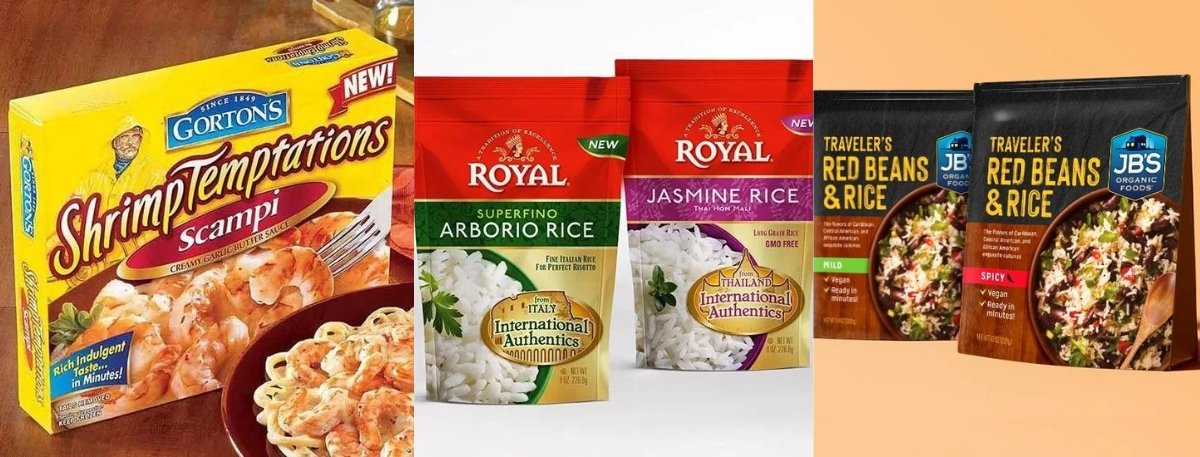
In a highly competitive food market, a product's appearance on the shelf is often the first interaction a consumer has with your brand. Food packaging design is not merely about wrapping a product- it is a strategic communication tool that shapes purchasing decisions before a single word is read by the buyer.
It may be color mixes, type or material details- everything in the design passes a message. Companies that put effort into their packaging always do better than those that consider the packaging merely as a secondary thing to the product. In this blog, we will cover why packaging quality matters, how labels build consumer trust, what defines effective design, inspiring ideas to consider, and the key steps to getting it right.
Why First Impressions Determine Purchase Decisions?
Customers take a few seconds to make a purchase decision. At a retail store- physical or virtual- your product is competing with dozens of substitutes in the same class. A product that appears high-end sends a message of quality to the consumer before they read about the product.
Key reasons why shelf presence is critical-
Cluttered retail environments make visual differentiation essential
Buyers consistently associate packaging quality with product quality
Strong, recognizable design builds brand loyalty across repeat purchases
E-commerce product photography depends entirely on how packaging photographs and renders on screen
Understanding this dynamic is the starting point for any serious packaging design for food- it must perform commercially, not just look visually appealing.
The Role of Food Packaging Design in Building Brand Identity
Effective food packaging design goes far beyond aesthetics. It communicates your brand's story, reflects your values, and creates an emotional connection with your target audience.
Whether you sell artisanal snacks or mass-market beverages, your packaging is your most consistent brand touchpoint. It appears in stores, delivery boxes, social media content, and unboxing videos- entirely independent of your direct involvement. That makes it one of the highest-leverage investments a food brand can make.
Consider what consistent, well-executed design achieves-
Reinforces brand recognition across multiple retail channels
Communicates product quality and positioning at a glance
Differentiates your product in a saturated category
Builds consumer trust before they have ever tasted your product
Creates a shareable visual identity that supports organic marketing
Did You Know? Research suggests consumers form an initial opinion about a product within 90 milliseconds of seeing it- and packaging is the primary driver of that first impression.
How Packaging Labels for Food Build Consumer Trust?
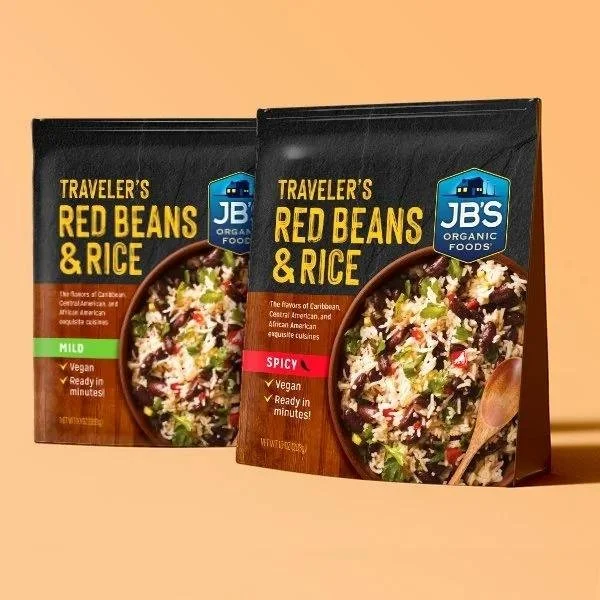
Packaging labels for food are important in consumer decision-making. Design comes together with information on labels- they are supposed to look good and effectively provide information such as ingredients, certification, nutritional facts and brand messages.
Poorly designed labels create confusion and erode trust. Well-structured food packaging labels, on the other hand, accomplish the following-
Present nutritional information in a clean, readable format
Highlight certifications such as organic, non-GMO, or gluten-free prominently
Use typography that aligns with the brand's overall tone and target market
Comply fully with regulatory requirements without cluttering the visual layout
Packaging and labelling make one system and the importance of packaging and labeling working hand in hand cannot be overemphasized. They both put the product experience at a higher level when crafted together and lessen the indecisiveness at the point of sale considerably.
Best Food Packaging Design Ideas Worth Considering for Your Brand
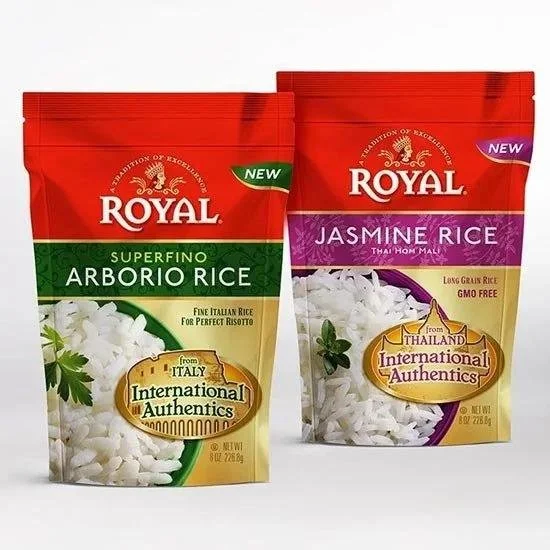
If you are exploring ways to refresh or build your packaging from the ground up, staying informed about modern food packaging design trends can give you a meaningful competitive edge. The most effective concepts are always rooted in audience understanding- not just visual trends.
Here are several directions brands are successfully exploring today-
Minimalist transparency- Clean layouts with large windows or clear panels that let the product speak for itself, particularly effective for fresh or premium items.
Sustainable material storytelling- Kraft paper, recycled board, and compostable films paired with earthy tones signal environmental responsibility.
Bold typographic-led design- For brands targeting younger demographics, large, expressive type as the dominant design element makes an immediate impression.
Illustrated characters or patterns- Custom illustration creates a proprietary visual identity that is difficult for competitors to replicate.
Structural differentiation- Unique box shapes, resealable formats, or stackable containers add functional value that reinforces the premium positioning.
The strongest ideas emerge when a brand's values, audience preferences, and product type are all considered together rather than in isolation.
Key Elements of Effective Healthy Food Packaging Design
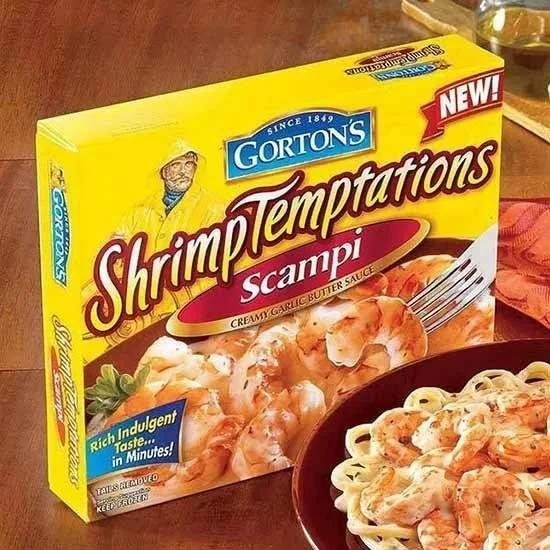
The growing wellness market has brought healthy food packaging design into sharper focus. Health-conscious consumers expect packaging that reflects their values- clean layouts, natural color palettes, transparent ingredient lists, and minimal visual excess.
Here is a step-by-step checklist for designing packaging that truly performs-
Packaging Design Checklist
Define your target audience- Understand their values and purchasing behavior before any design work begins.
Establish a clear visual hierarchy- Lead with your brand or logo, followed by the product name, then supporting details.
Choose a purposeful color palette- Green suggests health; deep navy suggests premium quality; warm tones suggest comfort and familiarity.
Select readable typography- Avoid decorative fonts for key information. Clarity always takes priority over style.
Incorporate all regulatory requirements- Nutritional panels, allergen warnings, and certifications must be accurate and appropriately placed.
Design for both the physical and digital shelf- Your packaging must hold up in-store and in e-commerce product photography.
Test before committing to production- Prototype your design and gather feedback from real consumers before the final print run.
Key Takeaways
First Impressions Count- Packaging shapes consumer perception within seconds of being seen on a shelf or screen.
Brand Storytelling- Strong food packaging design reinforces brand identity across every channel and touchpoint.
Labels Drive Trust- Well-structured food packaging labels reduce purchase hesitation and communicate ingredient transparency.
Health Market Standards- Healthy food packaging design must authentically reflect the values of wellness-focused consumers.
Design Is Strategic- packaging and labeling decisions directly impact sales performance, repeat purchase rates, and long-term brand reputation.
Final Words
One of the most effective investments that a food brand can make is the design of its premium food packaging. It defines the perception of your product by the consumer, the level of trust they have in your brand and finally leads to the purchase. With a good food packaging design, a consistent visual image and carefully researched ideas of how to package food, every detail tells something- deliberately or not.
In case you are planning to create a label on your new food products or want to update your existing line, then Lien Design can be your one-stop solution. They are experts in creating strategic, results-focused packaging that enables food brands to be differentiated and developed.
FAQs About Food Packaging Designs
What are some effective food packaging design ideas for a new brand?
Successful concepts would encompass minimalistic designs that allow the product to do the talking, sustainable materials in natural colors, aggressive typographical-based designs, and bespoke illustration designs. This is always based on a good understanding of your target audience and product positioning.
What is the difference between packaging design for food and general product packaging?
Food packaging carries additional requirements- including regulatory compliance for nutritional information, allergen warnings, and shelf-life details. It must also withstand specific storage and temperature conditions while maintaining its visual integrity throughout the product's lifecycle.
How does healthy food packaging design differ from conventional food packaging?
The design of healthy food packaging is inclined to clean, uncluttered designs, to a natural or subdued color palette, and transparent, more open labeling of food and certifications. It is aimed at representing the values of a consumer who is health-conscious.
What are the most important healthy food packaging design tips for wellness-focused brands?
Focus on clarity and authenticity. Use natural, muted colors, keep the design clean, and make health claims or certifications easy to spot.
How to design packaging labels for food that are both compliant and compelling?
Use a clear visual hierarchy with the brand name first, product name second, and required details placed neatly. Choose readable fonts, stay consistent with your branding, and always check compliance.