
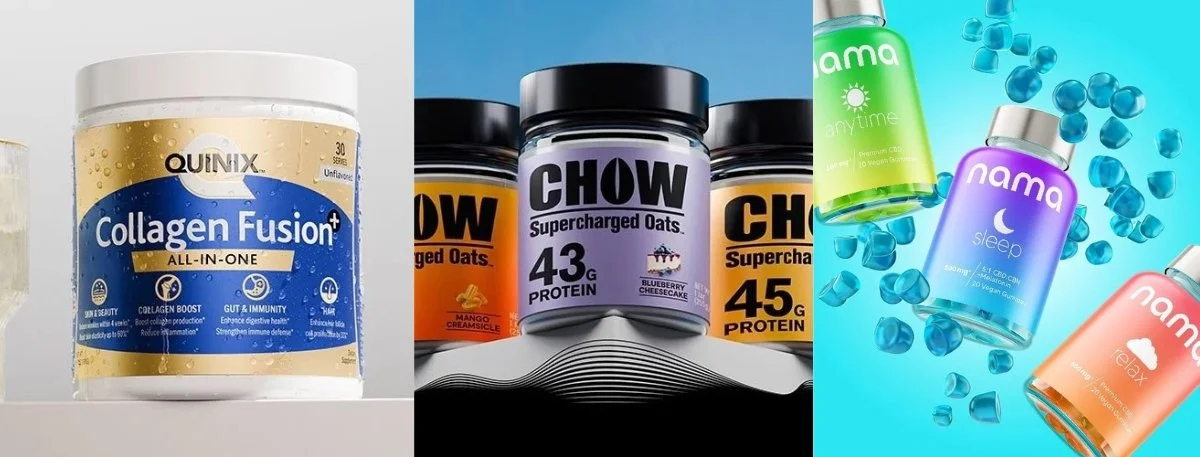
The health and wellness industry has grown at a pace most sectors can only envy. Walk down any pharmacy aisle or scroll through an online health store, and the sheer volume of supplement products competing for attention is immediately apparent. In this environment, supplement packaging is no longer just a container- it is the first conversation a brand has with its customer, and it happens before a single word is read.
That first impression carries real weight. A product that looks professional, clean, and well-labeled signals quality. One that looks rushed or unclear raises doubt- regardless of what is actually inside. This blog covers how supplement packaging shapes consumer trust and safety, including label design, materials, compliance, sustainability, and the practices that separate strong brands from forgettable ones.
Packaging Shapes Brand Perception
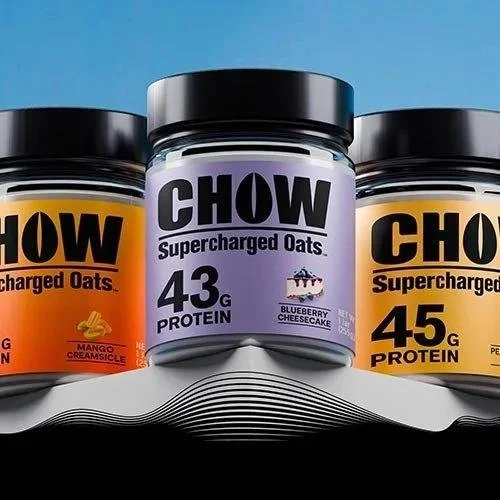
Customers make very quick decisions. Both in the case of retail shelves and online virtual shelves, product appearance is what determines whether something catches the eye or goes unnoticed. A good design is an indicator of high manufacturing standards, quality information, and safety. In comparing the same formula, the health supplement packaging usually takes the last selling.
Label Design Consumers Trust
Customers are now very active in terms of researching ingredients and confirming certifications prior to purchasing. A brand that makes this process easier is more likely to gain loyalty. A good supplement label design entails a clear listing of ingredients, instructions on dosage, and certification marks like GMP or organic should be placed in a conspicuous location. The brands should not exaggerate health claims and should utilize easily readable fonts.
Did You Know? Nearly 70% of shoppers admit that the physical weight and texture of a container directly influence whether they view the brand as a premium health choice or a cheap alternative.
Best Supplement Label Design Tips for Compliance and Marketing
Smart design satisfies regulators and buyers simultaneously. High-quality labels integrate legal requirements naturally into an attractive layout. Essential elements include organized ingredient panels, distinct certification logos, and proper spacing to prevent visual fatigue. By balancing strict legal standards with strong visual appeal, these choices prove the brand values transparency over a quick cash grab.
Read More: Why your supplement label design matters more than ingredients
Examples of Effective Supplement Label Designs That Boost Sales
Top-performing layouts share specific traits across retail and digital spaces. They position the product name front and center, keep the nutritional panel structured, and eliminate visual clutter. For instance, brands that use stark color contrasts to highlight key vitamins while keeping the background plain consistently improve their conversion rates and encourage repeat purchases.
Packaging Protects Products
Physical safety matters just as much as visual appeal. Materials and structural choices determine product viability from the manufacturing floor to the customer's home-
High-quality materials block moisture, UV light, and air to prevent formula degradation.
Tamper-evident seals and child-resistant caps provide visible safety guarantees.
BPA-free and certified food-grade plastics stop chemical transfer into the vitamins.
Brands ignoring these functional requirements face costly returns and regulatory fines.
Essential Compliance Requirements
Following regulations protects consumers and prevents devastating product recalls. Compliance requires constant monitoring whenever formulas or local laws change-
Accurate nutritional panels and full ingredient disclosures.
Specific disclaimers attached to any health-related statements.
Clear allergen warnings and usage restrictions.
Exact manufacturer contact details and country of origin.
Sustainable Health Supplement Packaging Materials
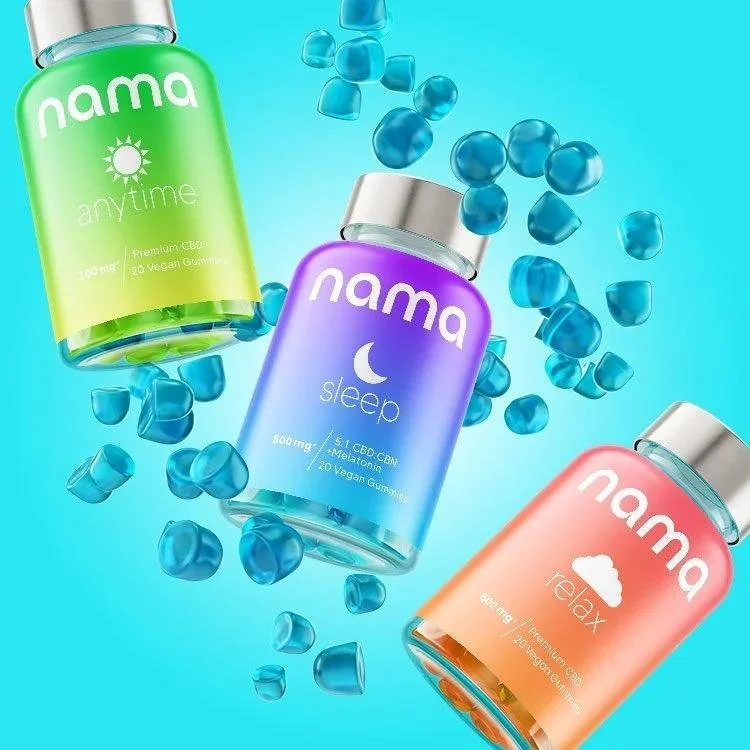
Eco-friendly materials now represent a baseline market expectation rather than a niche premium feature. Buyers trust companies that minimize their environmental impact. Transitioning to green options strengthens market positioning and builds community trust-
Recyclable and biodegradable materials reduce the product's carbon footprint.
Post-consumer recycled plastics align with the values of health-focused buyers.
Responsible production choices drive long-term brand loyalty.
Private Label Supplement Packaging Options
White-label services are growing fast in companies that intend to produce their own branded line without developing their own products. Personalized shrink sleeves, custom containers, and individual typography help companies use the same formula and set them out as a unique, high-end product that only fits their particular market.
Trends Reshaping Design
Presentation strategies adapt constantly to buyer demands for transparency and convenience. Minimalist layouts now dominate, highlighting core ingredients without distracting graphics. Furthermore, QR codes instantly connect buyers to lab results and sourcing data. E-commerce configurations also ensure containers survive shipping intact while photographing beautifully for digital storefronts.
Mistakes Costing Confidence
Even successful companies lose market share through avoidable design errors.
Cluttered text frustrates buyers trying to read nutritional facts.
Unverified health claims trigger immediate skepticism from educated shoppers.
Flimsy materials contradict premium pricing strategies.
Missing safety seals raise immediate contamination concerns.
Outdated graphics fail to match updated formulas or current legal standards.
How to Design Supplement Packaging That Sells
Apply these specific steps to build or audit your current market presentation.
Structure layouts for maximum clarity and legal compliance.
Select durable, BPA-free, food-grade containers.
Display all mandatory regulatory data, warnings, and manufacturer details.
Position third-party testing certifications in high-visibility areas.
Secure the product with tamper-evident and child-resistant closures.
Integrate materials that match your corporate sustainability goals.
Verify container durability through actual shipping tests.
Global & E-Commerce Markets
International distribution and online sales introduce new logistical hurdles. Every target region requires specific regulatory adherence and precise language localization. For digital sales, containers must photograph perfectly for search listings and survive transit without damage. A design optimized for a store shelf frequently fails the physical demands of an international subscription delivery.
Key Takeaways
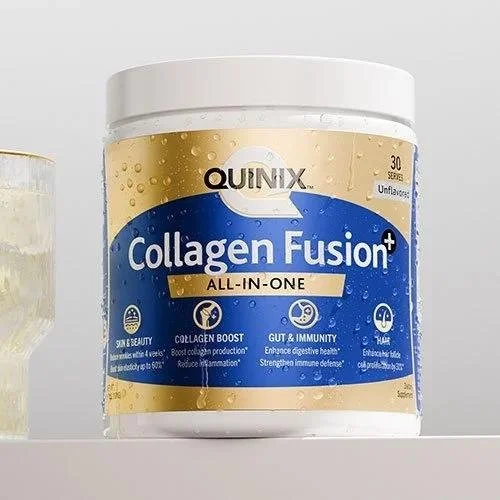
Visual presentation dictates buyer trust before the bottle opens.
Structured supplement label design establishes immediate brand credibility.
Food-grade materials and safety seals act as mandatory consumer protections.
Strict regulatory adherence prevents legal action and product recalls.
Eco-friendly materials build permanent loyalty with health-conscious shoppers.
Bottom Line
Your physical presentation reveals your corporate priorities. Every material selection and safety feature sends a direct message to your buyer. Companies that prioritize functional, honest, and attractive containers dominate competitive spaces and retain buyers longer. That is where a clear supplement packaging helps. With a good design, you not only ensure compliance but also help in gaining customers' trust. And when it comes to health supplements, packaging is even more important, as when it comes to your health, trust matters a lot.
If you need to upgrade your market presentation, Lien Design can help you create a compliant, high-converting layout to rejuvenate your supplement product line. Contact our team to discuss your next product launch.
FAQs about Supplement Packaging
What should be included in supplement label design?
Compliant layouts require the product name, comprehensive ingredient lists, dosage rules, manufacturer details, certifications, and mandatory health disclaimers.
Why is health supplement packaging important for safety?
Secure containers block contamination from moisture, light, and air. Visible tamper-evident features prove the contents remain perfectly intact.
How does packaging build consumer trust in supplements?
Clean graphics, prominent third-party testing logos, honest nutritional panels, and premium materials prove the company values its buyers.
What materials are safest for supplement packaging?
Glass, BPA-free plastics, and certified food-grade materials dominate the regulated market because they prevent chemical transfer.
How can sustainable packaging improve brand reputation?
Health-focused buyers prioritize environmental responsibility. Selecting eco-friendly materials proves the company shares these core values, which drives positive reviews and repeat business.