
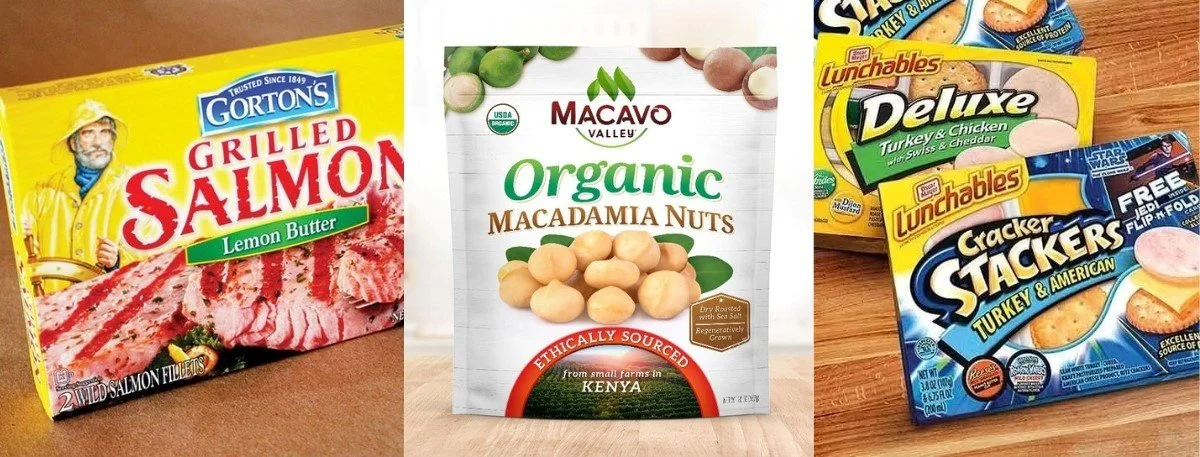
Every purchase decision in the grocery aisle starts with a split-second evaluation, and packaging design for food often determines whether a product gets noticed, trusted, and placed in the cart. Shoppers scan fast, comparing taste cues, health claims, price signals, and brand familiarity, all while balancing dietary needs and time pressure. The pack has to do more than "look nice"; it must guide attention and remove doubt.
Practically, a good packaging would put images, messages, and adherence in one easy-read story. When the front-of-pack communicates value well, and the back-of-pack is perfectly capable of responding to questions, customers are more inclined to make an informed choice faster and with less hesitation. In this blog, we will talk about how the packaging label can help a buyer make a decision.
Packaging Design for Food: What Shoppers Notice First?
Consumers usually evaluate packaging stepwise, that is, a brief visual impression and information in more detail, only if the product is still in consideration. You are aiming to win over this initial glance and subsequently gain trust as the shopper takes a closer look.
1) Visual Hierarchy
A clear hierarchy helps customers instantly understand what the product is, who it's for, and why it matters. The strongest packs usually prioritize-
Product type and flavor
Brand and sub-brand
One core benefit
Avoid competing elements on the front panel; when everything is emphasized, nothing is.
2) Color, Contrast & Appetite Appeal
Color determines expectations in regard to taste and category. Contrast makes it easier to read due to distance, especially in the harsh lighting of retail outlets. The appetite cues must be natural- too stylish food photography may be counterproductive if it gives a false impression of an unreal experience with the product.
Did you know: Many shoppers make an initial keep-or-skip decision in under 7 seconds based on front-of-pack cues?
3) Typography & Readability
Type choices quietly influence perceived quality and clarity. A professional system uses:
Fewer fonts, used consistently
Adequate size for key claims and product descriptors
High legibility on matte, glossy, and textured substrates
If a shopper needs to "work" to read the pack, you lose momentum.
Food Packaging Design That Converts: Cues That Reduce Hesitation
Once a shopper is interested, conversion depends on how quickly the pack resolves questions like "Is this right for me?" and "Can I trust this brand?"
Clear Claims, Minimal Confusion
Use one primary claim and support it with evidence-friendly details. Overloading the front panel with multiple claims can trigger skepticism.
Ingredient Transparency & Benefit Framing
When relevant, highlight what matters most to your audience: protein content, whole grains, low sugar, allergen-friendly formulation, or sourcing. Then reinforce it on the back with clear ingredient explanations.
The Role of Food Packaging Labels in Decision-Making
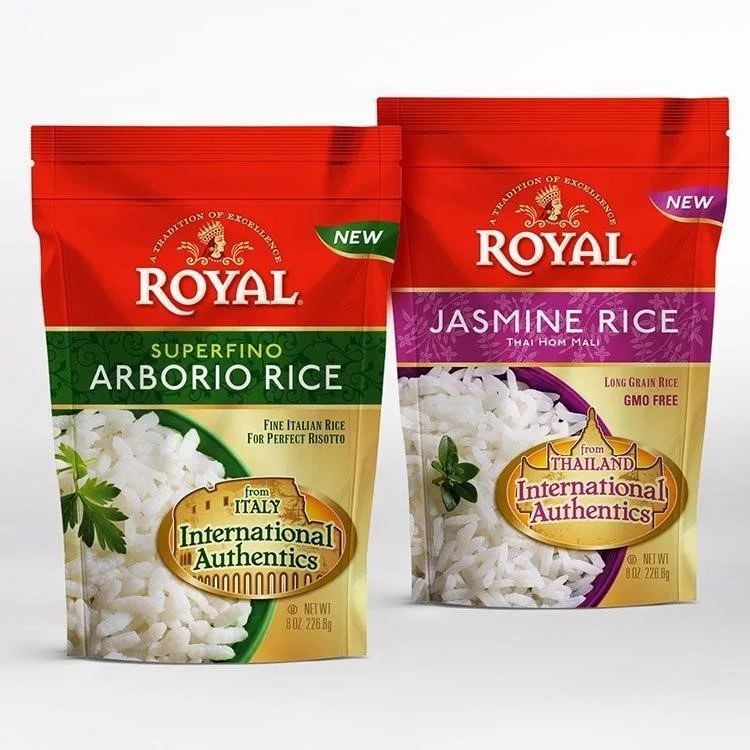
Food packaging labels are where curiosity turns into confidence. They must be structured for fast verification:
Nutrition facts in a clean layout
Ingredient list that is easy to scan
Allergen statements that stand out
Storage, usage instructions, and best-before clarity
A high level of labeling reduces returns, complaints, and negative reviews, as expectations are created correctly prior to purchase.
Building Credibility with an Organic Food Label
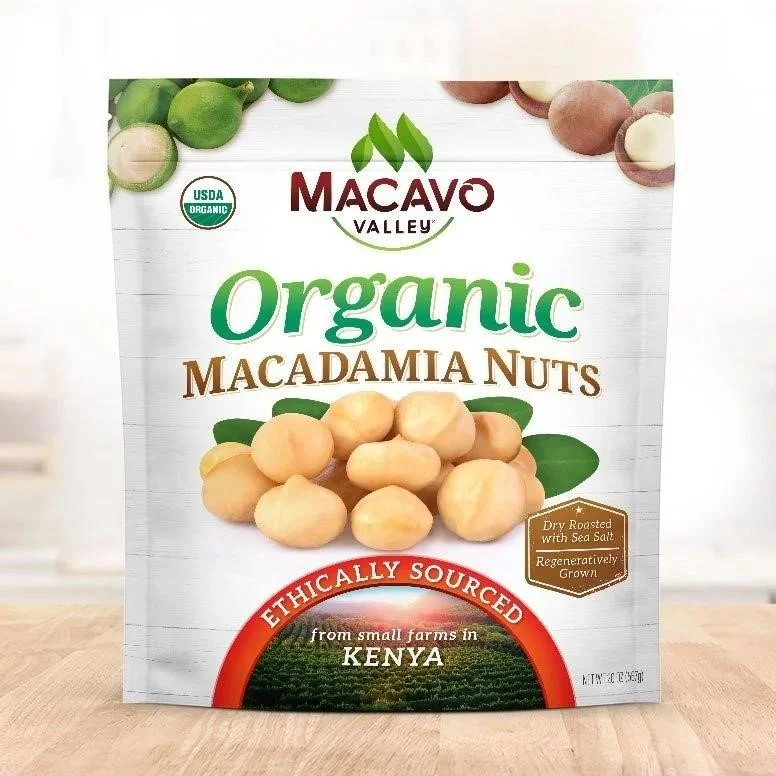
Consumers who buy "organic" tend to read more closely, so credibility matters as much as aesthetics. If you use an organic food label, make sure:
Certifications and governing standards are correctly referenced
Claims match what the product can substantiate
Supporting details are consistent across panels
Structure & Materials: The "Feel" That Sells
Packaging is also a physical experience. Material and structure influence perceived freshness, safety, and value.
Format & Functionality
Resealability, pour control, portioning, and shelf stability cues matter, especially for snacks, cereals, spices, and ready-to-eat items. Practical benefits should be visible and explained in a single line.
Sustainability Signals (Done Carefully)
Claims of sustainability have to be correct and specific to your market regulations. When you make use of recyclable materials or compostable materials, explain how and where so that there is no misunderstanding.
A Quick Checklist to Move from Shelf to Cart
Use this step-by-step review to pressure-test a pack before production and rollout:
Define the single buyer promise
Run the 3-second shelf test
Confirm hierarchy (product name, variant, and claim readable from 1–2 meters)
Validate compliance (nutrition, allergens, net quantity, manufacturer details, required marks)
Audit label clarity (no cramped text; consistent terminology across panels)
Prototype materials (check scuffing, glare, color shift, and readability under store lighting)
Test with real shoppers (A/B concepts; measure pick-up rate and comprehension)
What "Best Packaging Design" Really Means For Food Brands?
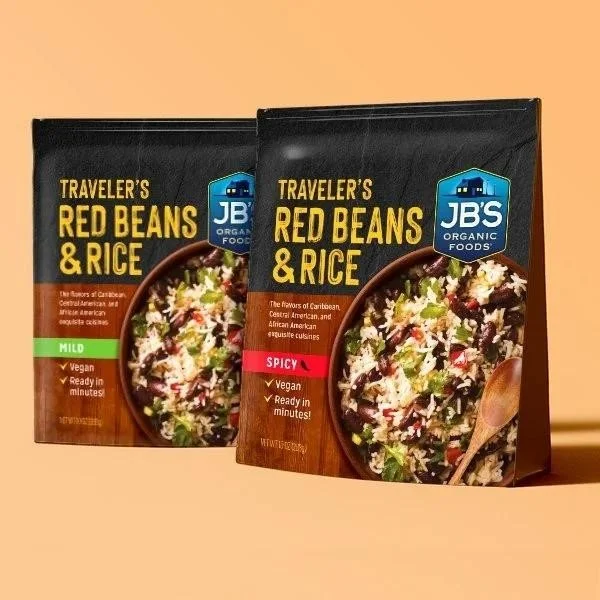
In performance terms, the best packaging design is the packaging that positively impacts-
Findability
Understanding
Trust
Usability
Repeat purchase
Good design is not decoration; it is a conversion tool backed by clarity, testing, and compliance.
Choosing the Right Partners for Execution
In selecting the company to work on the food packaging design, you will need to find a team with the ability to strike a balance between building the brand and the realities of such production- print limitations, substrate behavior and label compliance- so that the final pack is identical to the approved concept.
Key Takeaways
First Impression: Win attention with strong hierarchy and clear product identification
Label Clarity: Make key information easy to find and verify
Trust Signals: Use substantiated claims and consistent messaging
Functional Design: Improve convenience with the right structure and materials
Testing Mindset: Validate concepts with real shoppers before scaling
Final Words
A well-performed packaging is your most reliable salesman on the shelf- redirecting attention, creating trust and lessening the decision-making pain. If you want packaging design for food to drive real choice, focus on hierarchy, truthful claims, readable labeling, and shopper testing- then refine based on performance data, not opinions.
If you are launching a food product or revamping your existing line of products with a new packaging label, Lien Design can help you bring your vision to life. Contact them now for proper guidance by an experienced team with over 2 decades of experience.
FAQs on Packaging Design for Food
How does packaging influence food buying decisions?
It shapes first impressions, communicates benefits, and builds trust through clear visuals and accurate labeling- helping shoppers decide faster.
What should be on the front of a food pack?
Product name, variant/flavor, brand, and one core benefit or claim that is easy to read from a distance.
Why are labels so important for conversion?
They answer "can I eat this?" questions and provide information about nutrition, ingredients, allergens, and usage. Labels also reduce hesitation and perceived risk.
How do I avoid misleading "healthy" or "organic" impressions?
Use precise, substantiated claims and ensure certifications, terminology, and required disclosures match local regulations and documentation.
What is one quick way to test a packaging concept?
Run a 3-second shelf test and a simple A/B pick-up test with target buyers to measure recognition and comprehension.