
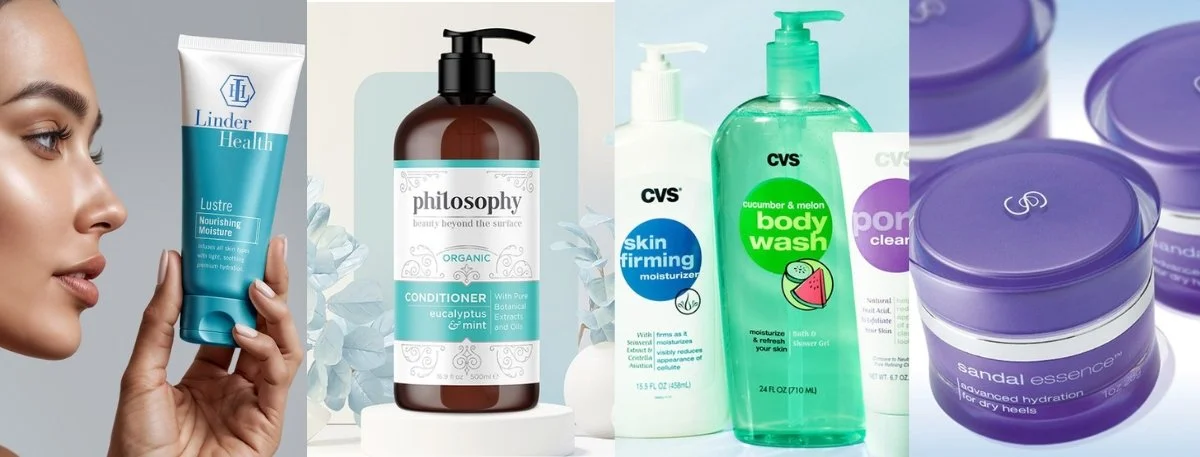
Whenever you're planning to launch a product, ingredients are usually the ones that are given the most attention. However, that is not true for all product categories. Luxury beauty is one of the few categories where customers often "buy with their eyes" first, and decide with their hands seconds later. That's why luxury cosmetic packaging design can shape perceived performance before a shopper reads a single claim or studies an ingredient list. In premium cosmetics, packaging doesn't just contain the formula; it signals trust, status, safety, and worth.
In this blog post, we will discuss why the sales of luxury cosmetic products can rely more on their packaging and label designs than on their ingredients.
Why Packaging Can Outrank Ingredients
In luxury cosmetics, packaging can be more important than ingredients because it:
Creates the first impression that determines whether the product is picked up
Signals quality, authenticity, and safety (especially at premium price points)
Delivers the "experience" customers expect: weight, texture, sound, and unboxing
Communicates benefits clearly and compliantly in seconds
Protects product stability so ingredients actually perform as intended
None of this means ingredients don't matter. It means customers usually can't verify ingredient quality at a glance, but they can judge presentation instantly, and that judgment heavily influences purchase.
Packaging Is the Product's First "Proof"
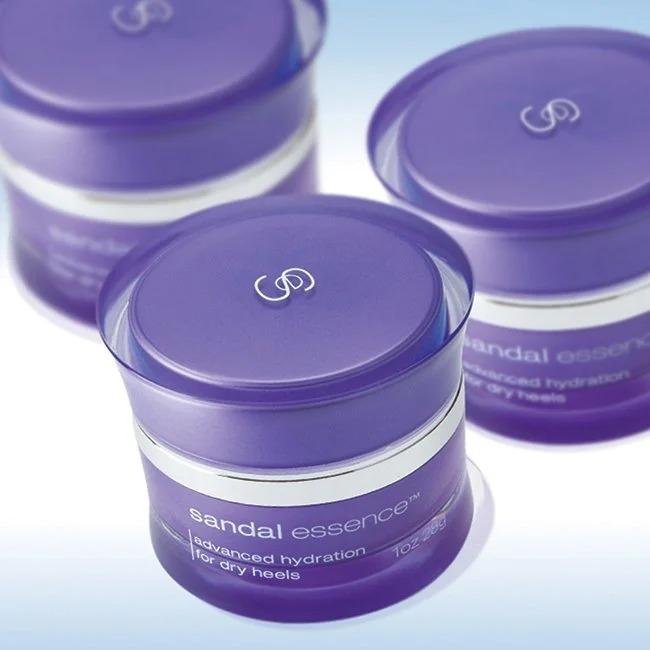
A premium formula does not appear physically on the shelf. Shoppers perceive what they see as shape, label layout, typography, color harmony, and finishing options. When those cues appear considerate and accurate, customers will subconsciously think that the same attention was paid to the formula.
This is where cosmetic packaging design becomes a credibility shortcut. In a busy store or fast-moving e-business, people do not read all of them, they scan, compare and select what seems to be trusted.
The Luxury Price Tag Needs a Luxury Signal
When the moisturizer is priced at $80 and comes in a light jar, with a thin-looking cap, the product immediately appears to have been overpriced, despite the ingredients being great. The packaging has to be worth the money prior to its initial application.
Sensory Cues Often "Outvote" Ingredient Literacy
The overwhelming majority of consumers do not have the time to identify whether a peptide has clinical relevance, whether a botanical extract has any activity at an efficacious stage, or whether a fad element is mostly simply marketing.
They do evaluate:
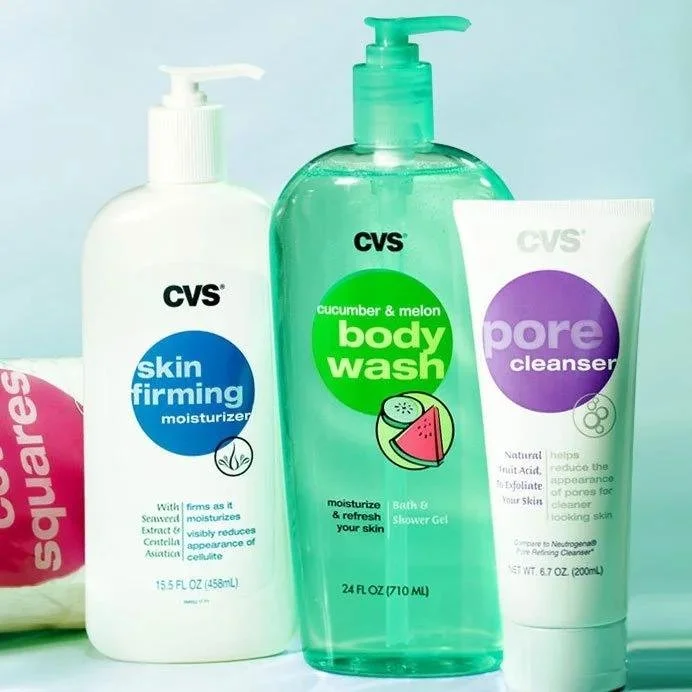
The weight of a bottle in the hand
The smoothness of a cap twist
The precision of a pump
The tactile finish (soft-touch, matte, satin, glass)
The clarity of benefit communication
In luxury, these physical cues become a stand-in for performance. That's why the best packaging design isn't just attractive, it's convincing.
Packaging Protects the Ingredients You Paid For
This is where most brands fall short and fail to understand that ingredients can only work when they are not volatile. Actives in premium skincare tend to degrade under light, air, moisture or contamination.
Smart packaging choices can preserve efficacy, such as:
Airless pumps to reduce oxidation and bacteria exposure
UV-protective materials for light-sensitive formulas (like certain antioxidants)
Proper liners, seals, and closures to prevent leakage and evaporation
Compatibility testing to reduce ingredient interaction with plastics, inks, or adhesives
This is where luxury skincare packaging earns its keep: it safeguards performance, not just appearance.
Trust, Safety & Compliance Are "Packaging Jobs," Too
Luxury consumers are wary. They fear fake products, frustration, and false promises. Packaging can get rid of that anxiety by conveying professionalism and control.
Strong systems include:
Clean hierarchy (brand, product, benefit, key details)
Legible type at realistic viewing distance
Clear usage directions and warnings where needed
Batch coding and traceability
Tamper-evident details for reassurance
Good cosmetic packaging design also reduces customer service issues: fewer broken products, fewer confusing instructions, fewer returns.
Differentiation Matters More Than Ever
A lot of formulas are starting to resemble each other. The trending activities are seen in the same brands, and regulations can constrain the extent to which claims can be different. Nevertheless, packaging provides an opportunity to introduce uniqueness in terms of design, surface, and spatial narration.
Luxury design can position a product as:
Clinical and results-driven (minimal, crisp, precise)
Sensory and indulgent (rich textures, warmer palettes, tactile finishes)
Natural and elevated (quiet earth tones, refined typography, crafted feel)
Fashion-forward (bold structure, unexpected color, editorial layout)
In other words, packaging can create a "brand world" that ingredients alone can't.
The Unboxing Experience Drives Loyalty
Luxury isn't only about what happens at application: it's about the ritual. Customers remember how a product arrived, how it opened, and whether it felt special.
A well-designed unboxing moment can:
Encourage repeat purchases
Increase word-of-mouth and gifting
Trigger user-generated content (especially in premium categories)
Reinforce that the buyer made a smart, elevated choice
This is another reason luxury cosmetic packaging design can influence growth as much as formulation improvements.
Checklist: How to Design Packaging That Feels Truly Luxury
Use this step-by-step checklist to evaluate whether your packaging is supporting (or quietly hurting) perceived value:
Define the luxury "promise" in one sentence
Choose materials that match the price point
Build a fast hierarchy: brand - product type - primary benefit - proof cues
Engineer protection for actives
Add authenticity cues
Test real-world handling
Align secondary packaging with the ritual
When these steps are executed well, the best packaging design doesn't distract from ingredients, it makes customers believe in them.
When Ingredients Matter Less (And When They Matter More)
Packaging tends to matter more when:
Products are purchased as gifts
The shopper is new to the brand
The category is crowded with similar claims
The price is premium and needs justification
Ingredients matter more when:
Customers are highly educated skincare buyers
Products target sensitive skin or medical-adjacent concerns
The brand is built on clinical proof and transparency
The sweet spot is when packaging communicates quality while also making ingredient information easy to trust and easy to understand.
Final Words
Whenever you are shopping on the shelves, or scrolling through the internet, the very first thing you see about any product is not the ingredients list, but the label of the product. Whether it is a daily-use item or a luxury item, label designs are necessary since they are the initial communication that your product will have with a customer. Thus, when you are about to introduce a luxury cosmetic product, you need to design a luxury cosmetic packaging design that will welcome the customers and ensure sales.
If you are looking to hire the services of a professional designer for your luxury skincare packaging, check out Lien Design.
FAQs
Can luxury packaging really increase sales if the formula stays the same?
Yes. Better presentation improves pick-up rate, trust, and perceived value, often increasing conversion even before customers experience the product.
What packaging features feel most "luxury" to customers?
Weight, precise closures, high-quality printing, refined typography, and tactile finishes (matte, satin, soft-touch) consistently signal premium quality.
Does premium packaging help with product performance?
It can. Airless pumps, UV protection, and strong seals help maintain stability, especially for light- and air-sensitive activities.
How do luxury brands balance sustainability with premium aesthetics?
They use fewer materials, smarter structures, recyclable components, refill systems, and durable designs that still feel substantial and intentional.
What's the biggest mistake brands make in high-end beauty packaging?
Overcrowding the front label with claims and tiny text. Luxury relies on clarity, hierarchy, and confident restraint.