
Most beverage packaging content stops at design- color, typography, imagery- and skips the part that determines whether that design survives contact with a printing press. The material, finish, and compliance requirements are decided before the first roll runs. In beverage label printing, getting these details wrong is incredibly expensive to fix later.
As packaging designers in San Diego, we've seen these mistakes firsthand. To show you how to prepare beverage labels for print, this guide covers the essentials. We will explore the specific beverage label materials that fit your product. We will also evaluate finishes that are worth the cost, outline the beverage label compliance basics that prevent rejections, and conclude with a pre-press checklist.
Common Beverage Label Materials, and When to Use Each
There are three main options when discussing the best material for beverage labels in beverage label printing: paper, BOPP, and shrink sleeve.
Paper works well for most ambient-shelf products. BOPP labels are the standard choice for anything that gets wet or cold, and shrink sleeve labels are used when graphics need to wrap fully around a non-cylindrical container.
Paper-Based Labels
Paper is the most popular and least expensive substrate, and it takes matte, gloss or textured finishes very well. It's fine for anything that does not need to be refrigerated or kept in a freezer.
But it's a lousy choice for any product that will be stored in an ice bucket, cooler or fridge. When wet, paper labels will wrinkle, tear and delaminate.
BOPP (Bi-Oriented Polypropylene)
BOPP is a synthetic film that is highly water-, tear-, and grease-resistant. This makes it the absolute default choice for beer, cold beverages, and anything that spends time in a cooler or an ice bath.
It definitely costs more than paper. But it eliminates the wet-label failure that paper cannot handle, and it still accepts a wide range of finishes beautifully.
Shrink Sleeve Labels
Shrink sleeve material encases and shrinks the whole container. It's ideal for bottles or cans with a unique shape that require images applied in 360 degrees without a seam. It is also ideal for products with curved or tapered surfaces where a flat label will not conform, leaving gaps or covering the surface awkwardly.
Finishes That Actually Affect Perceived Quality
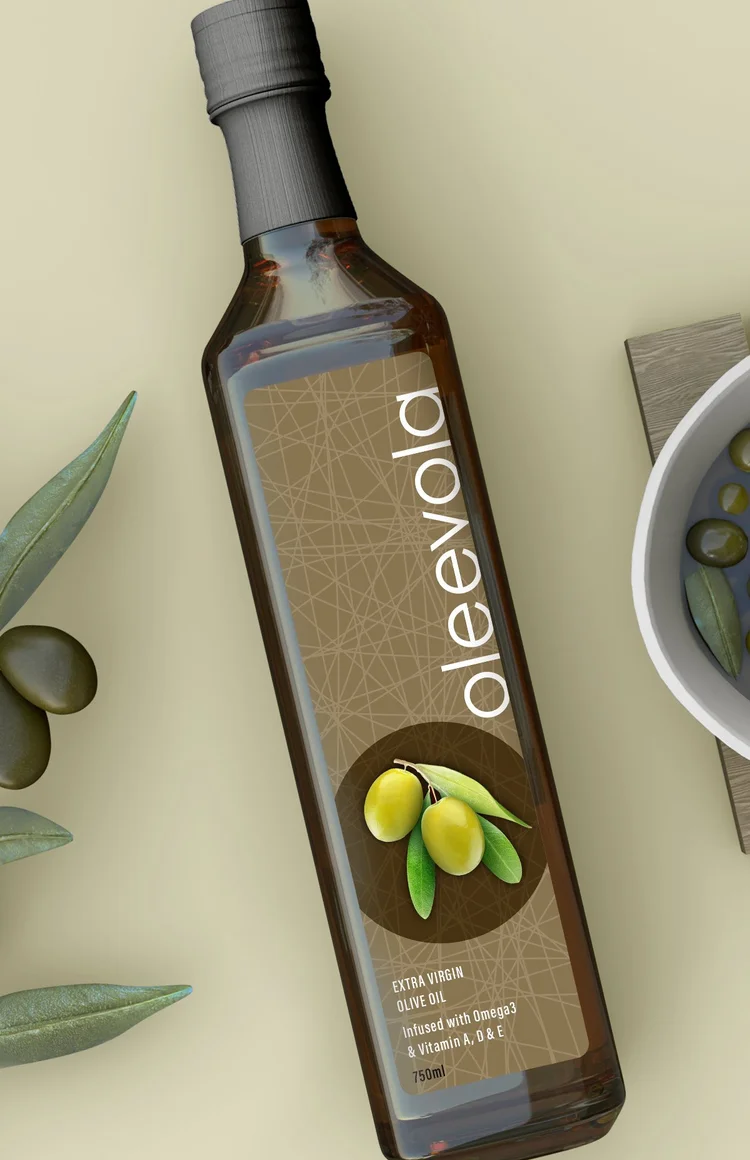
When clients ask us what finishes make labels look premium in beverage label printing, it usually boils down to three options.
The finishes that most affect perceived quality are matte vs. gloss, foil stamping, and embossing or debossing. Matte and foil consistently read as premium, gloss reads as mass-market, and embossing adds a tactile cue that photographs alone cannot provide.
Matte vs. Gloss Lamination
Matte finishes read as premium, artisanal, or restrained. Gloss finishes, by comparison, read as budget or mass-market, even when the underlying print quality is identical.
This is one of the most consistent perception signals in beverage packaging. Choose it deliberately rather than defaulting to whatever a printer offers first.
Foil Stamping and Embossing
Foil stamping and embossing are the strongest tactile and visual premium cues available. They add a physical dimension that gloss and matte alone cannot- a shopper feels the difference before they consciously register why the label seems higher-end.
Both add production complexity and cost. So, they are most worth using where they will actually be noticed: a logo mark, a varietal name, a small accent, not the entire label surface.
FDA & Legal Compliance Basics for Beverage Labels
Beverage label compliance in the U.S. generally requires accurate brand and product identification, net contents, an ingredient and nutrition statement where applicable, and any required allergen disclosure.
For alcohol specifically, you also need TTB/COLA compliance, a government warning statement, and an accurate alcohol content statement before a label goes into commercial use.
Disclaimer- This compliance content should be framed as a starting checklist, not legal advice. Brands should confirm current FDA beverage label requirements and TTB rules with legal counsel before finalizing a label.
Mandatory Elements for Most Beverage Labels
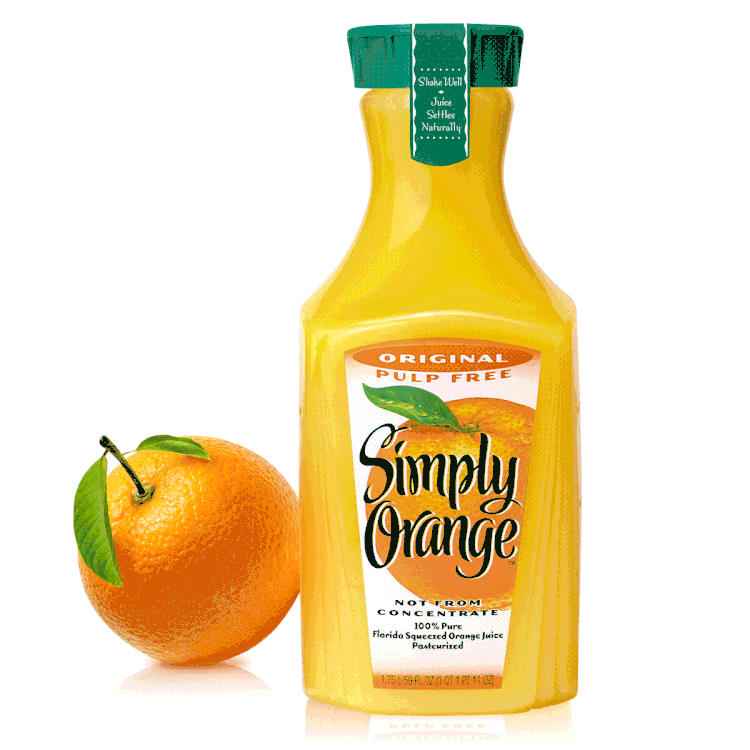
To safely meet the standard FDA requirements for beverage labels, non-alcoholic drinks generally must display some very specific elements.
Brand name and a clear statement of what the product is (class/type).
Accurate net contents/volume statement.
Ingredient list and FDA nutrition label requirements where the category requires it.
Allergen disclosure, where applicable to the product's ingredients.
Additional Requirements for Alcohol Beverages
Alcoholic beverages fall under strict regulatory guidelines. This demands an understanding of specific package design legal requirements.
TTB label approval (a COLA) is required before the label can be used commercially.
The federally required government warning statement, verbatim and correctly formatted.
An accurate alcohol content statement, and a sulfite statement where required.
Pre-Press Checklist Before You Send to Print
Before sending a beverage label printing job to the press, you need to run through a strict beverage label pre-press checklist. Confirm bleed and trim marks are set correctly, colors are converted to the right mode for your printer, and resolution is at least 300 DPI.
Also, make sure all required legal and compliance text is present and proofread. Ensure the file matches your printer's exact label dieline, and you have reviewed a physical proof before the full run.
Confirm bleed and trim marks are set to your printer's exact specifications- not a generic template.
Convert colors to the correct mode for your print method- CMYK for digital/process print, Pantone spot colors where exact brand color matching matters.
Check image resolution is at least 300 DPI at final print size- not the screen resolution the design was reviewed at.
Proofread every piece of required legal and compliance text separately from the visual design review- these are the easiest details to miss.
Verify the file is built on your printer's exact dieline or template, with no elements crossing the safe zone.
Confirm the substrate, finish, and quantity in the print file match what was actually quoted.
Request and review a physical proof before authorizing the full print run- a screen proof isn't a substitute for seeing the material and finish in hand.
Final Words
The design work matters, but it's the material, finish, and compliance decisions that determine whether a beverage label actually performs- on shelf, in a cooler, and in front of a regulator. Choosing the wrong substrate for the product's real-world conditions, skipping a finish that would have signaled the right price tier, or missing a required compliance element are all costly mistakes.
These issues usually surface after beverage label printing, when they're expensive to fix. Run the pre-press checklist above before any file goes to print. If you want a second set of eyes on materials, finish, or TTB compliance from a packaging designer in San Diego, get our beverage label design complete guide or get a free packaging design estimate from us at Lien Design and we'll walk you through it.
Why You Can Trust the Experts at Lien Design?
Tom H. Lien is the founder and award-winning creative director of Lien Design. With over two decades of specialized expertise in branding and packaging, Tom helps brands elevate their visual identity and seamlessly navigate complex print production. His deep industry knowledge ensures that every design executes flawlessly on the press, driving real-world sales and establishing lasting consumer trust in highly competitive retail markets.
FAQs About Beverage Label Printing
What's the most durable label material for a cooler or fridge product?
BOPP is the standard choice for anything that goes in a cooler, ice bucket, or fridge. It's water- and tear-resistant in a way paper simply isn't.
What's the difference between BOPP and paper labels?
Paper is more affordable and takes a wider range of textured finishes, but it's vulnerable to moisture. BOPP costs more but easily holds up to water, condensation, and handling.
Do all beverage labels need FDA approval before printing?
Most non-alcoholic labels must meet FDA requirements but don't require pre-approval. Alcohol beverage labels generally need TTB approval (a COLA) before commercial use, representing a separate process.
What file format do I need to send to a label printer?
Most commercial label printers want a print-ready, vector-based file built to their exact dieline. This usually means a press-ready PDF with fonts outlined and images at full print resolution.
Does a matte finish cost more than a glossy one?
It varies, but matte and gloss lamination are often similarly priced at the base level. The bigger cost differences come from added finishes like foil stamping or embossing.