
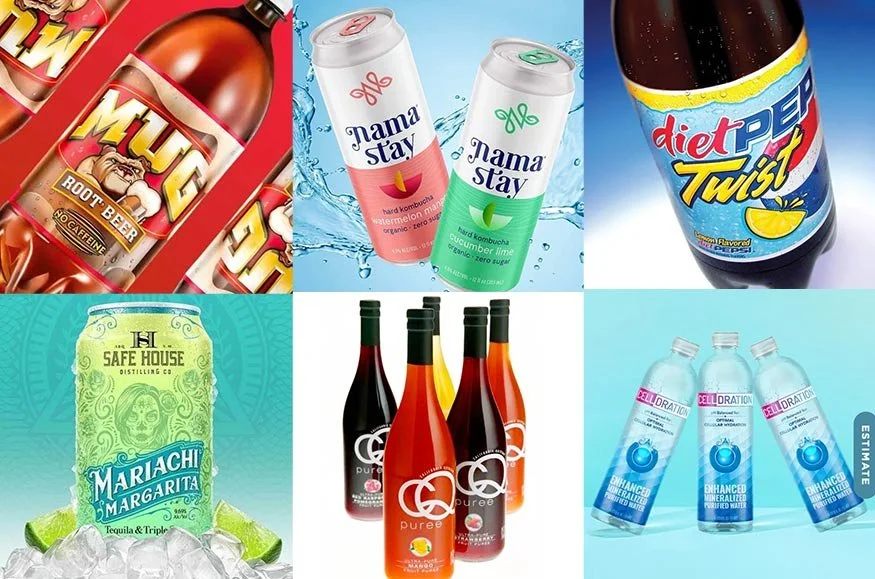
In our 23+ years working in beverage packaging design, we've noticed one undeniable truth: people decide what to buy on the shelf in literally seconds. The beverage aisle is, hands down, the most visually brutal space in retail. Whether someone is staring at a foggy cooler door or frantically scrolling a grocery delivery app, your container has to do all the heavy lifting. How beverage packaging influences consumer choice really comes down to nailing the perfect mix of smart structural strategy and graphics that genuinely make people stop and look.
If you're gearing up to launch a new drink or finally revive an older brand, you're exactly where you need to be. We're going to walk you through what we'll cover in this blog: everything from container materials and our step-by-step process, to the latest trends, real costs, and how to pick a partner that makes sure your drink actually sells.
What Is Beverage Packaging Design?
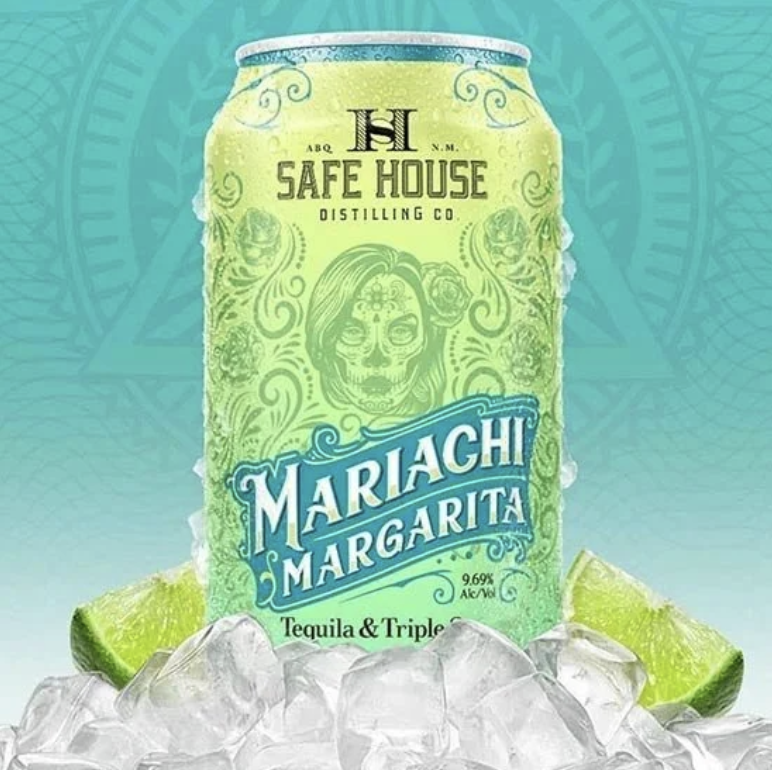
Beverage packaging design is the strategic process of creating the physical 3D structure, exterior materials, and visual graphics of a drink's container to protect the product and drive consumer purchases. It goes way beyond just making something look pretty. It covers exactly how the container performs out in the real world. That's why smart brands treat it as a hardcore sales tool instead of just window dressing. While it naturally ties into professional beverage label design, the packaging process looks at the structural whole rather than just the flat artwork slapped on the surface.
Why Does Beverage Packaging Design Matters More Than Ever?
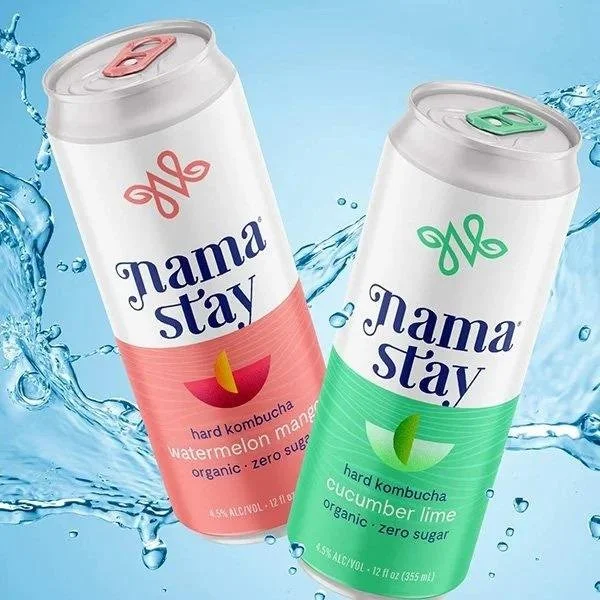
Let's be totally honest—today's packed cooler doors leave zero room for generic drink branding. Strong packaging builds instant brand recognition and actually drives repeat purchases. It builds immediate trust. High-quality finishes tell a shopper that the liquid inside is worth paying a premium price for, long before they even crack it open.
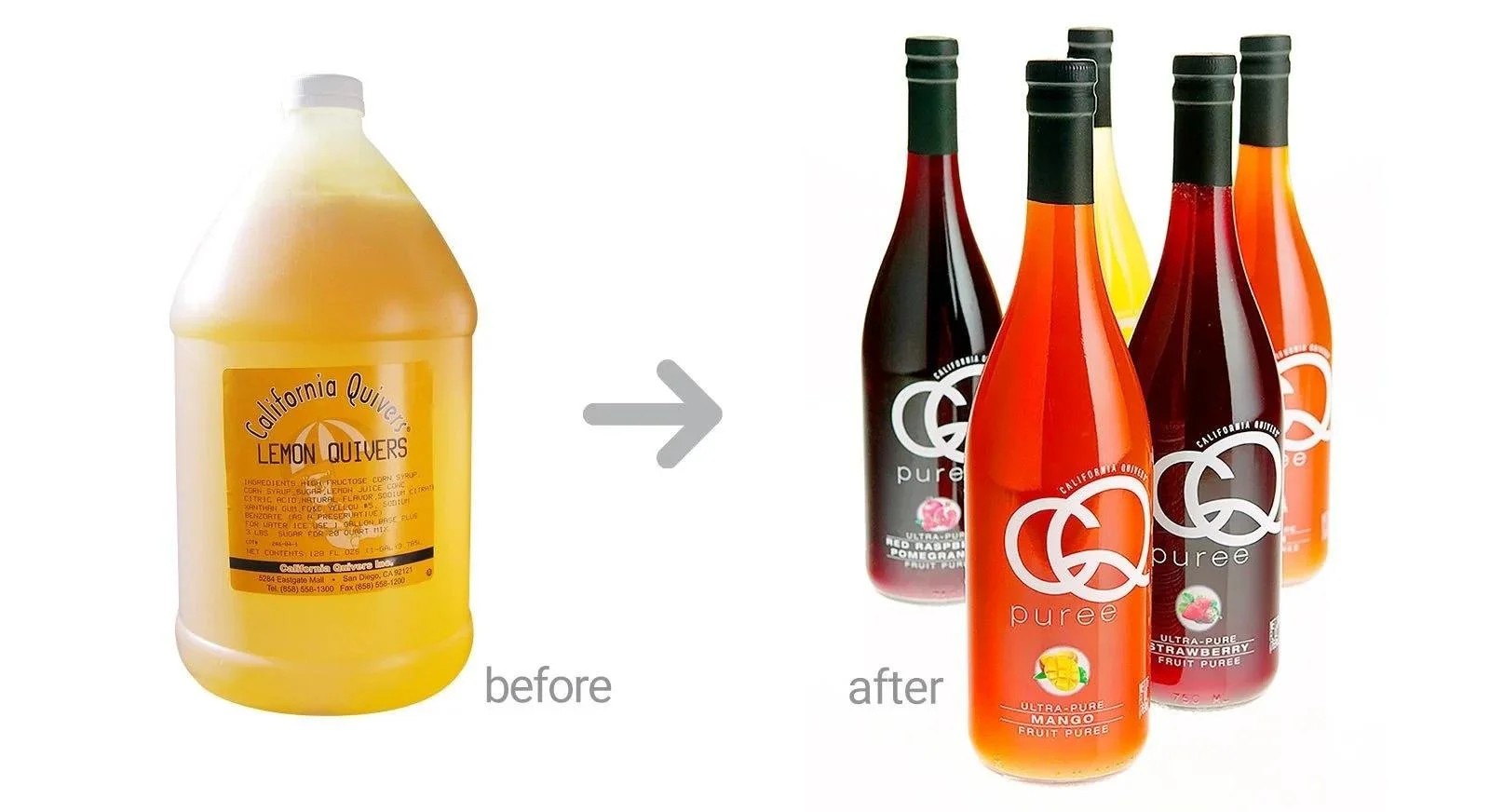
When you look at successful beverage brand packaging redesign examples, the visual impact speaks for itself. For instance, a highly strategic California Quivers beverage label redesign boldly shifted the product into an entirely different market category.
The Core Elements of Effective Beverage Packaging Design
Nailing your CPG packaging means balancing a few critical pieces to maximize shelf appeal:
Container format: Cans, glass bottles, pouches, and cartons all send very different messages. Glass whispers premium heritage, while aluminum shouts modern convenience.
Color and typography: High-contrast palettes and readable fonts guarantee your brand gets recognized from ten feet away.
Label material and finish: Matte paper, glossy plastics, shrink sleeve labels, and foil accents completely change how the product feels in someone's hand.
Regulatory and compliance basics: Navigating the strict FDA nutrition label requirements and overriding package design legal requirements isn't optional if you want your product on shelves legally.
Structural and functional design: Ergonomic grips, smooth pour mechanics, and resealable tops make people actually enjoy using the product.
How the Beverage Packaging Design Process Works
If you want a smooth, profitable launch, following the complete CPG packaging design process is your best bet:
Discovery & category research: We dig into niche competitors and figure out exactly who your target buyer actually is.
Concept & sketch exploration: This is where we throw ideas around, brainstorming initial visual directions, vibes, and structural container ideas.
Structural/material decisions: Locking in the container type, dieline, and label substrate.
Pro Tip: Never start your final digital artwork until you've fully locked down your container dimensions and printer specs. Otherwise, you'll be drowning in costly resize revisions later on.
Label/graphic design refinement: Polishing the typography, drawing up custom illustrations, and dialing in the brand messaging.
Compliance review: Double-checking all legal text, ingredients, nutritional facts, and barcode placements.
Production & print testing: Running physical proofs so we know for a fact the colors and finishes will look right on the actual material.
Beverage Packaging Design Trends to Watch in 2026
Nobody wants their new product to look dated on launch day. In 2026, the biggest packaging design trends are pushing some serious boundaries. Here's what forward-thinking brands are doing right now:
Sustainable and reduced-material packaging: Buyers and regulators alike are pushing hard for eco-friendly, lightweight, and biodegradable materials.
Bold minimalism vs. maximalist illustration: The middle ground is pretty much dead. Brands are either stripping away all the noise for an ultra-clean look or going totally wild with loud, edge-to-edge custom art.
Functional-beverage visual cues: With health-focused drinks everywhere, packaging layouts are aggressively highlighting "better-for-you" ingredients and functional perks.
Can-first design language: Cans are dominating the beverage space right now. That means graphics have to be strictly optimized for that cylindrical, 360-degree viewing experience.
Want to dig a little deeper? Check out our full 2026 packaging design trends breakdown.
Beverage Label Design vs. Wine Bottle Label Design - What's Different?
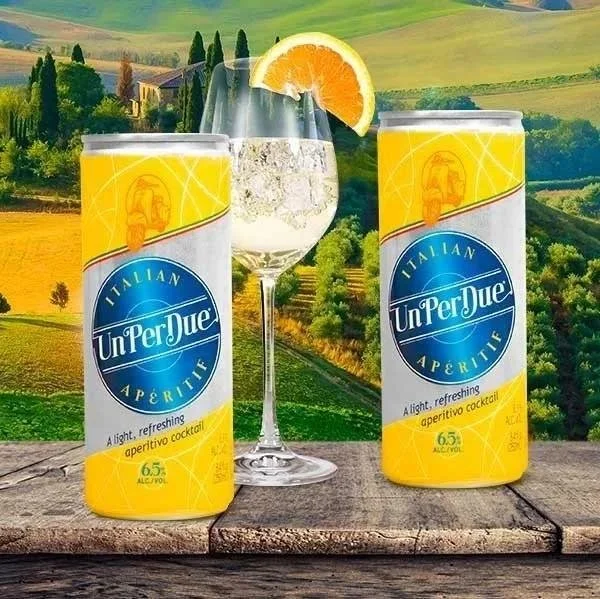
While beverage label design usually focuses on bold ingredient clarity, immediate shelf visibility, and fast brand recall, wine bottle label design plays by a totally different rulebook. Wine labels rely heavily on heritage, varietal signaling, and luxury cues to justify their price points.
For example, beverage label design that makes products look premium in the energy drink space usually leans on bright, metallic shrink sleeves. But if you look at why wine label design is important to price perception, wine buyers expect tactile, thick paper stocks and elegant, understated typography. If your main priority is figuring out how to improve shelf visibility with beverage label design, you're going to obsess over color contrast. But if you're hunting for the best wine bottle label design ideas and trends for 2026, you'll want to focus heavily on minimalist elegance and terroir-driven stories.
How Much Does Beverage Packaging Design Cost?
Let's talk numbers, because understanding beverage packaging design cost factors is the only way you can budget properly. A realistic price tag for professional, shelf-ready beverage packaging design has a pretty wide range. A small, independent brand rolling out just one SKU might spend anywhere from $3,000 to $10,000. On the flip side, a massive national beverage relaunch with complex structural changes and dozens of flavors can easily run from $20,000 up to $50,000+.
What actually drives that cost up or down? Usually, it's the amount of custom structural engineering you need, how many flavor variations you have, and the complexity of your print finishes (think specialty foils or custom dielines). For a more specific breakdown tailored to alcohol, take a look at our wine label design cost breakdown.
How to Choose the Best Beverage Packaging Design Agency
Picking a package design agency shouldn't just be about who has the prettiest portfolio. You need a strategic partner. Here's what to actually look for when choosing a package design agency to ensure you get the best packaging design agency on your side. Partnering with Lien Design will ensure that you’re dealing with experts who have plenty of:
Beverage-category experience: Make sure they have deep roots in drink branding, not just random consumer goods.
Production and print knowledge: Your agency has to understand can vs. bottle design dynamics, dielines, and how specialty finishes actually print.
Compliance fluency: If they don't know FDA guidelines inside and out, your product could literally get pulled from shelves.
Proof of ROI: You want real case studies with hard numbers, not just pretty digital mockups.
For example: After partnering with Lien Design, CQ Mixers saw an incredible 231% surge in sales within the first year of their packaging redesign. By running extensive market research and drafting multiple design options, we helped reposition the product into a totally different category from its original competitors. That strategic pivot helped the beverage carve out a highly profitable niche within the stable hotel chain market.
Feel free to explore our packaging and label design services to see exactly why we're consistently ranked as one of the best packaging design services for CPG brands.
Common Beverage Packaging Design Mistakes to Avoid
Over the years, our team has been hired to clean up a lot of really expensive beverage packaging design mistakes. Here are the most common ones we see:
Overcrowded front panel: Cramming every single selling point onto the front label just creates visual noise. It frustrates shoppers who just want to know what the drink is.
Ignoring print and material limitations: Designing cool graphics without thinking about how ink actually behaves on matte paper versus raw aluminum will leave you with a muddy, disappointing final product.
Inconsistent brand system: If you don't build a strict, scalable design framework early on, introducing new flavors later will make your entire product line look messy and disjointed.
Skipping consumer testing: Rushing straight to mass production without letting real people handle a physical prototype is the easiest way to miss glaring structural flaws.
Final Words
The biggest thing to remember is that beverage packaging design is, at its core, a high-performing sales tool—not just surface-level art. Think of your container as your brand's silent salesperson. It has to communicate value, build trust, and convince a shopper to grab your drink instead of the twenty others sitting right next to it, all in a matter of seconds. Whether you're trying to maximize your shelf appeal or figure out complex print production dynamics, paying for professional design is a direct investment in your bottom line.
Ready to elevate your product and actually boost revenue? Get in touch with Lien Design and get a free packaging design estimate today.
Why Trust the Experts at Lien Design?
Founded by Tom H. Lien- a best-selling author and expert art director with over two decades of experience- Lien Design is an award-winning San Diego studio. Tom personally handles 90% of creative work, partnering with ambitious startups and giants like Pepsi. We leverage shelf-presence science to deliver strategic, functional designs that captivate consumers and drive real sales.
FAQs About Beverage Packaging Design
What's the difference between packaging design and label design?
Packaging design covers the physical 3D container, materials, and functionality. Label design strictly focuses on the 2D visual artwork and typography applied directly onto that specific container's surface.
How long does a beverage packaging redesign take?
A professional redesign usually takes four to eight weeks. This includes initial research, concept exploration, client feedback, material selection, compliance checks, and final print-ready file preparation.
Does redesigning packaging actually increase sales?
Yes. By improving shelf presence, clarifying benefits, and modernizing the brand image, strategic redesigns directly attract new customers, justify premium pricing, and drive a measurable return on investment.
What materials work best for cans, bottles, and pouches?
Aluminum is ideal for cans due to sustainability and cooling speed. Glass and PET plastics work beautifully for bottles, while multi-layered barrier films are perfect for lightweight pouches.
Do I need FDA approval for my beverage label?
You don't need direct pre-approval from the FDA before printing, but your label must strictly comply with their regulations regarding the Nutrition Facts panel, ingredients, and net quantities.