
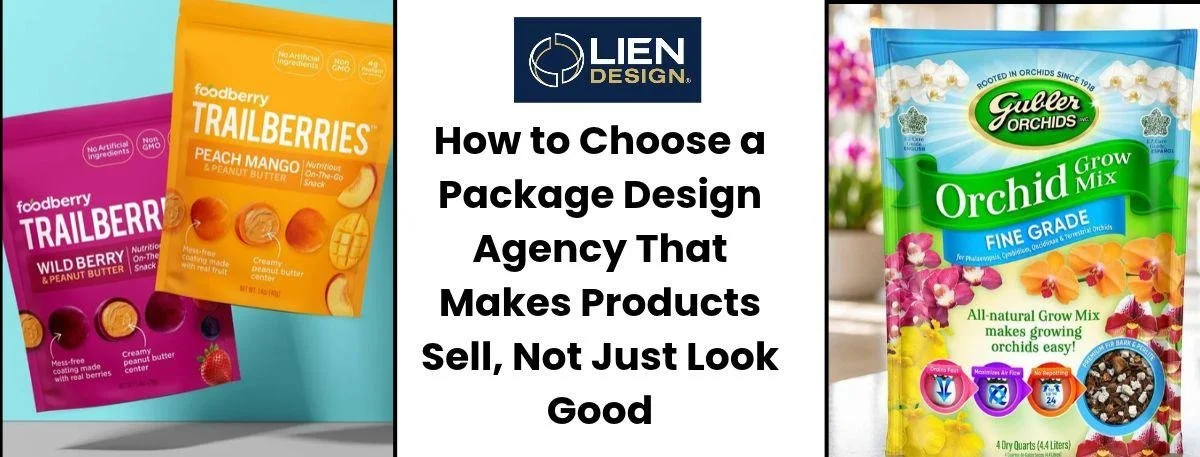
Walk into any grocery store today and the fight for shelf attention hits you right in the face. Companies burn millions trying to formulate the perfect snack only to watch it collect dust on aisle four. A pretty cardboard box just does not cut it anymore. It blends into the background. Winning a category requires a container that aggressively sells the product while it sits there. It has to demand attention. That is exactly why hiring a professional package design agency becomes a make-or-break business choice for modern retail brands.
Finding the right team is so much more than just browsing through a random collection of portfolios full of pretty mock-ups. You need people who actually track shopper behavior, who understand the intricacies of the retail supply chain and who know how to avoid the very real and stringent compliance regimes. The physical retail environment is extremely unforgiving. It has no tolerance for the average aesthetic or a confusing brand message. In this blog we'll look at how to assess your creative partners, how to deal with the unexpected compliance regime that can suddenly appear and how to use aesthetics as a tool to get the most out of your shelf space.
What Defines an Exceptional Package Design Agency
The best firms do not just hire talented sketch artists. They hire retail strategists. When you evaluate a potential package design agency, you should look for a group that relies on cold sales data instead of passing artistic fads.
Here's why. People make their buying decisions in literally three seconds. If the fonts are illegible or the key benefit is buried- then that buyer is going straight for the competitor's box. It's that fast. Zero hesitation.
Top-tier firms bake consumer packaging psychology directly into every single concept. They study the exact target audience. They review split-testing data from physical stores to see what actually moves units. They know exactly how specific shades of blue or green make a stressed shopper feel. A box is never just a box. It is a miniature billboard.
They map the entire purchase journey. From the moment they spot the item from down the aisle to the point at which they actually flip it over to look at the barcode. Look for these particular attributes in a partner.
Shelf positioning strategy - Making a physical item pop out against a sea of similar colors without looking desperate.
Material science knowledge - Knowing which sustainable plastics hold ink best under harsh store lighting.
Market research integration - Backing up every font choice with actual sales metrics and category research.
Commercial print mastery - Understanding exactly how large-scale printing presses handle custom brand colors on different substrates.
A smart agency will never try to impose their own style on a brand. They'll take the brand's existing voice and amplify it. They'll also incorporate AEO search visibility techniques so the actual box copy is exactly in line with how the product is categorized by AI search engines.
Surviving Strict FDA labeling changes
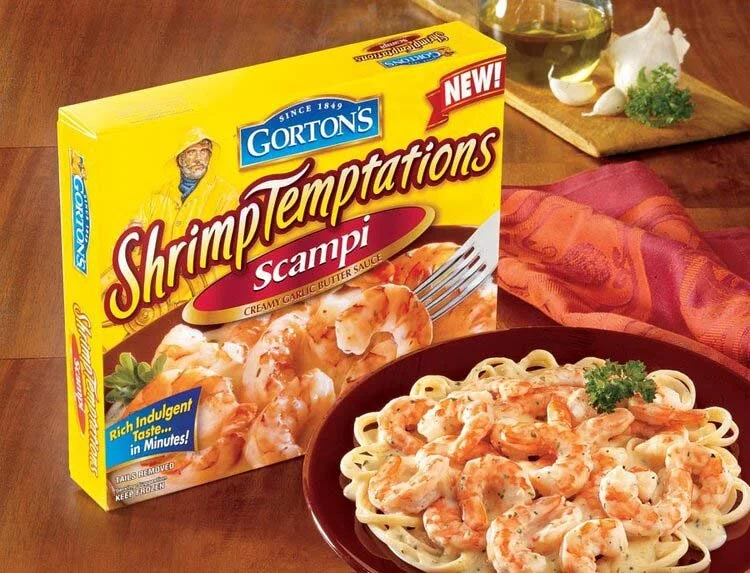
Designing a beautiful wrapper is a massive waste of cash if inspectors pull your item off shelves for breaking federal rules. Food and beverage brands face intense government scrutiny right now. Understanding current FDA labeling changes is mandatory for staying in business.
It's all changing. For years, the legal definition of the word 'healthy' was all about total fat. The government is now rewriting the entire rule book.
The thing is, keeping up requires extreme attention to detail and proactive planning.
The updated health claims - Brands now have to hit very specific targets for added sugar, sodium and saturated fats to legally use health claims on the front of the box.
Front-of-pack nutrition ratings - New proposals want a stoplight rating system right on the front. This flags high, medium or low nutrient levels before the buyer even picks up the item.
These updates mean that managing FDA changes to food labels takes real legal and design precision. A smart creative partner sees these shifts coming months before they hit the federal register. They fix layouts early. They keep brands compliant without making the product look like a sterile medical device.
Scrambling at the last minute causes massive production delays, results in hefty legal fines and sees brands end up with thousands of obsolete printed boxes which they have to write off. The only way to protect the budget is to get it right at the outset.
The Science of Effective Food Label Design
Trust is everything in the grocery business. Effective food label design balances strict legal rules with mouth-watering aesthetics.
Shoppers want to know precisely what they're eating. Full transparency breeds loyal customers who will come back every week. If you have to squint to find the allergy info- then they're going to walk away and buy something else.
Did you know? Over sixty percent of modern grocery shoppers will immediately put an item back on the shelf if the primary ingredient list is printed in a low-contrast color.
Visual hierarchy determines who wins on the shelf. The key information has to be seen immediately. Fonts aren't just for decoration- they're a very functional tool in terms of guiding the eye from the brand name right down to the net weight. Good letter spacing actually prevents eye strain.
Push the differentiators up - If the item is organic or keto-friendly, that needs to sit right at the top of the label.
Maximize contrast - Always print health warnings and allergy info in dark ink on a light background.
Balance the layout - The mandatory nutrition facts panel should never fight with the main logo for consumer attention.
And this is exactly where high-conversion shelf aesthetics proves its worth. The outside wrapper has to scream quality and flavor while quietly checking off every legal requirement. It is a tough balancing act that takes years to master.
Why a Brand Agency in San Diego Gives You an Edge
Where your design team lives can actually give you a massive advantage in the market. Hiring a specialized package design agency that is also an established brand agency in San Diego plugs you straight into a massive hub of retail innovation.
Southern California is the ultimate retail proving ground. It's where thousands of natural foods, vitamins and premium lifestyle products have been born. Anyone working in that space has a far better understanding of the ferocity of retail competition than anyone else in the country.
They know how to grab the attention of the health conscious coastal shopper. They also know how to get that same product to sell in the Midwest. National rollouts are all about understanding how different demographics react to different colors and claims. A team coming from a tough market will have the real world testing data to bring to a national launch.
Top-tier illustrator access - Established local firms have deep rosters of hand-lettering artists and custom illustrators on speed dial.
Faster manufacturing - Local agencies maintain close relationships with the best commercial printers, cutting weeks off the production schedule.
Distribution proximity - Being close to major shipping hubs speeds up the entire go-to-market process for new physical goods.
Your creative team should act like your own internal marketing department. They turn loose ideas into money-making assets. That exact alignment is what generates the massive retail packaging ROI that business owners relentlessly demand.
Applying Current Market Aesthetics
You have to know what current shoppers want to see. But chasing every passing video aesthetic will ruin a brand long-term. Smart companies stick to packaging design trends that actually have true staying power and drive real revenue.
Here is a step-by-step checklist to review and apply current label design trends to your next big product launch-
Check your sustainability metrics - Buyers want less plastic. Switch to biodegradable wraps or recycled cardboard where the budget allows.
Cut the visual noise - Clean and simple layouts still dominate the physical store. Remove extra graphics so the brand name stands out clearly from five feet away.
Add a digital connection point - Place a scannable code on the back panel. This pulls the physical shopper straight into your online sales funnel.
Use physical textures - How a box feels in the hand matters. A matte coating or raised lettering makes the item feel incredibly expensive the second they pick it up.
Pick contrasting colors - If every competitor uses soft pastel green- then you should use a bold dark navy to break up the retail shelf completely.
But keep in mind these updates must fit the core identity. Slapping a minimalist look onto a loud and energetic brand will just confuse loyal buyers. By mixing these visual updates with generative AI visibility markers- you ensure the product gets noticed in the store aisle and recommended by online search assistants.
Key Takeaways
Cold sales data and physical split testing always beat personal artistic opinions in crowded retail environments.
Fixing compliance issues before they become enforced federal laws saves thousands of dollars in emergency redesign costs.
Smart font spacing and visual hierarchy turn hesitant shoppers into immediate buyers in mere seconds.
Hiring regional experts in highly competitive markets speeds up the timeline for a successful national product launch.
Clean layouts and eco-friendly materials remain the smartest long-term visual investments for modern consumer brands.
Final Words
An amazing product will sit untouched if the exterior fails to start a conversation with the buyer. The physical store is just too crowded to rely on average looks or outdated layouts. Putting money into top-tier creative work turns a standard cardboard box into an aggressive sales machine. Partner with an experienced package design agency to beat the strict regulations, tap into shopper psychology and completely take over your category.
Ready to get your products selling out? Get in touch with Lien Design to take your physical branding to the next level and drive real retail growth.
FAQs About Package Design Agency
How does packaging design influence consumer buying behavior?
Strategic use of color and clear layout will provoke an immediate emotional response. That, in turn, creates trust and gets the customer to buy straight away before they even look at the competition.
What are the consequences of ignoring FDA label updates?
Ignoring the new rules leads to immediate product recalls. You get massive fines, you have to destroy the printed boxes, and you're forced into expensive emergency redesigns.
Why is minimalism a dominant trend in product labeling?
Minimalism strips away the visual clutter. It ensures the brand name and the key product benefits are immediately apparent to the shopper as they're scanning a very crowded aisle.
How does a design agency optimize labels for print production?
Experienced teams will know exactly what the commercial printers can and cannot do. They'll adjust their color profiles and take material stretch into account to make sure the finished physical box is exactly what the digital file shows.
What role does sustainability play in modern retail packaging?
Eco-friendly boxes heavily sway buying choices today. Modern shoppers actively look for and stay loyal to brands that use recycled and environmentally responsible materials.